.png)
Summer biohacking is, paradoxically, easier than you think. Long days, strong sunlight and warm air give your mitochondria everything they need to perform at their best. Just 5 rituals you can fit into an ordinary day, and your June will rank among the most energetic months of the year.
- Why morning sunlight is the most powerful biohack for your circadian rhythm
- How grounding and barefoot walking reduce inflammation and cortisol
- When to schedule red light therapy sessions to get the most out of summer
- A simple way to protect your sleep even during the longest days
- Why a cold shower in summer works better than at any other time of year
Table of contents:
- 1. Morning sunlight within 30 minutes of waking up
- 2. Barefoot grounding on grass
- 3. Cold shower or cold water immersion
- 4. Red and near infrared light therapy
- 5. Evening light hygiene
- Gear up for summer biohacking
1. Morning sunlight within 30 minutes of waking up
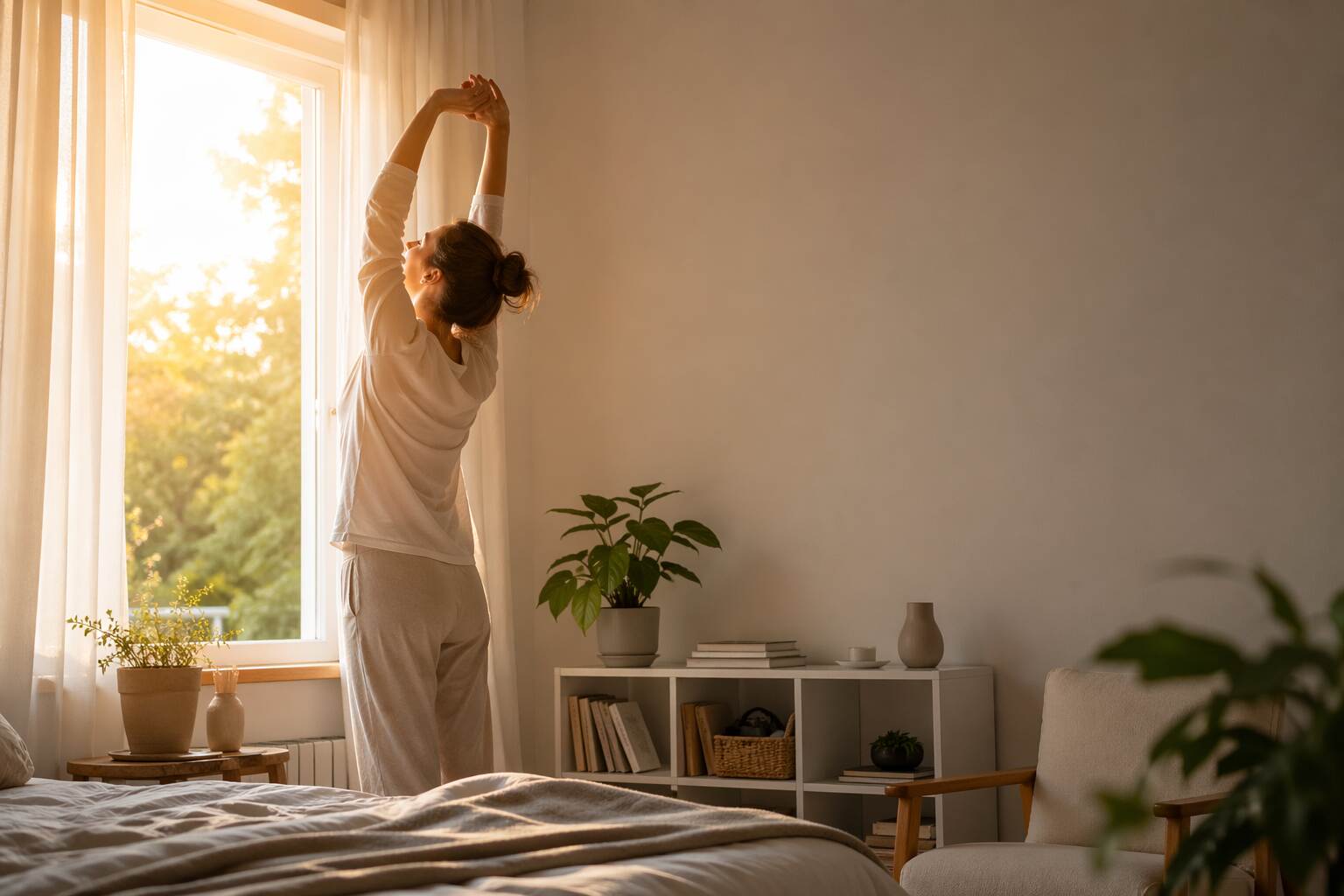
Morning sunlight is the most effective free biohack that exists. Simply step outside within 30 minutes of waking up and expose yourself to direct sunlight for at least 10 to 15 minutes. This one simple step sets your biological clock for the entire day.
Morning light contains wavelengths that signal the brain through melanopsin receptors in the retina, telling it that daytime has arrived. This correctly sets the circadian rhythm, suppresses nighttime melatonin and triggers a healthy morning cortisol rise. A systematic review from 2025 confirmed that morning sun exposure significantly affects sleep quality and the midpoint of the sleep cycle. [R]
In June, conditions are ideal: the sun rises before five in the morning and early light is gentle, with lower UV intensity. No sunglasses, no filters, just your eyes and direct sunlight.
2. Barefoot grounding on grass
Grounding, the direct contact of bare feet with the earth, is a proven method for reducing inflammation and normalising cortisol. In summer it could not be easier: the grass is warm, the soil is dry and you have long hours of daylight at your disposal.
A review by Oschman et al. (2015) showed that earthing improves sleep, normalises the daily cortisol rhythm, reduces pain and positively influences the autonomic nervous system. [R] Koniver (2023) confirmed that grounding deepens restorative sleep, relaxes muscles and supports overall resilience. [R]
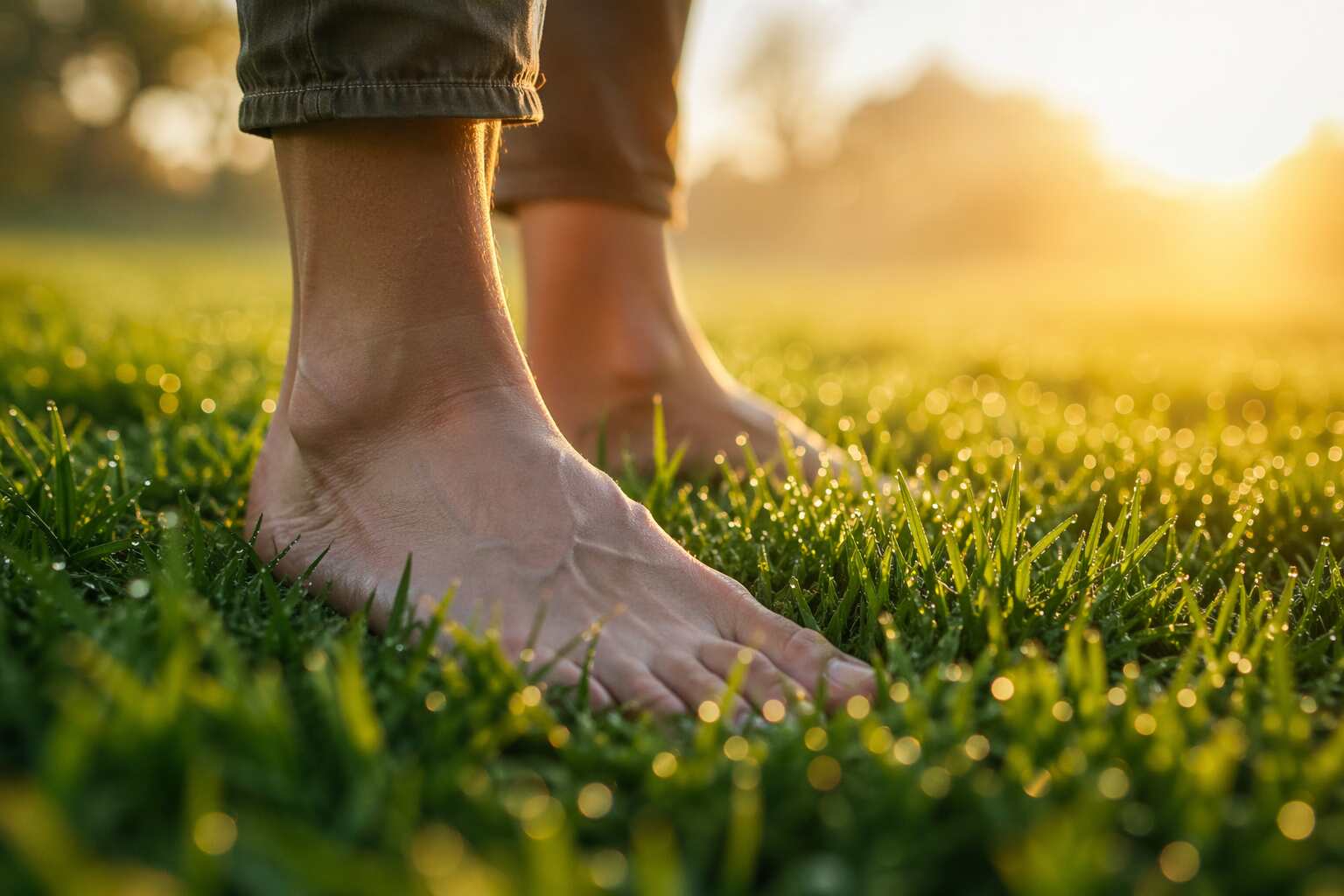
In practice: step outside barefoot into the garden for at least 10 to 20 minutes. Ideally on dew-moistened grass, where conductivity is highest. If you walk regularly in the city, Grounded barefoot shoes Mitochondriak® let you draw from the earth even during everyday life thanks to their conductive graphene sole. To learn more about what grounding is and why it matters, check out our guide. We also wrote about why barefoot walking is ideal right at this time of year.
3. Cold shower or cold water immersion
Cold exposure in summer is easier to handle and your body responds to it even more strongly. The contrast between warm air and cold water stimulates mitochondrial biogenesis, the creation of new mitochondria, and improves thermoregulation.
Start with the last 30 seconds of your shower in cold water and gradually extend the duration. In summer, tap water is warmer, so the start is more pleasant than in winter. Cold water raises noradrenaline and dopamine levels, delivering energy and improving mood for several hours.
4. Red and near infrared light therapy
Near infrared light supports recovery, reduces inflammation and delivers energy at the cellular level by stimulating cytochrome C oxidase in the mitochondria. Even though you spend more time outdoors in summer, an infrared panel is the ideal complement for targeted sessions, for example after training or before bed.
Mitochondriak® Maxi Upgraded covers the whole body and features 7 wavelengths (630, 670, 760, 810, 830, 850 and 940 nm), reaching both superficial and deep tissues. In your summer routine, use it as an evening ritual, when red and near infrared light simultaneously support melatonin production and prepare the body for sleep.
Read more about what distinguishes biohacking from mitohacking in our article.
5. Evening light hygiene
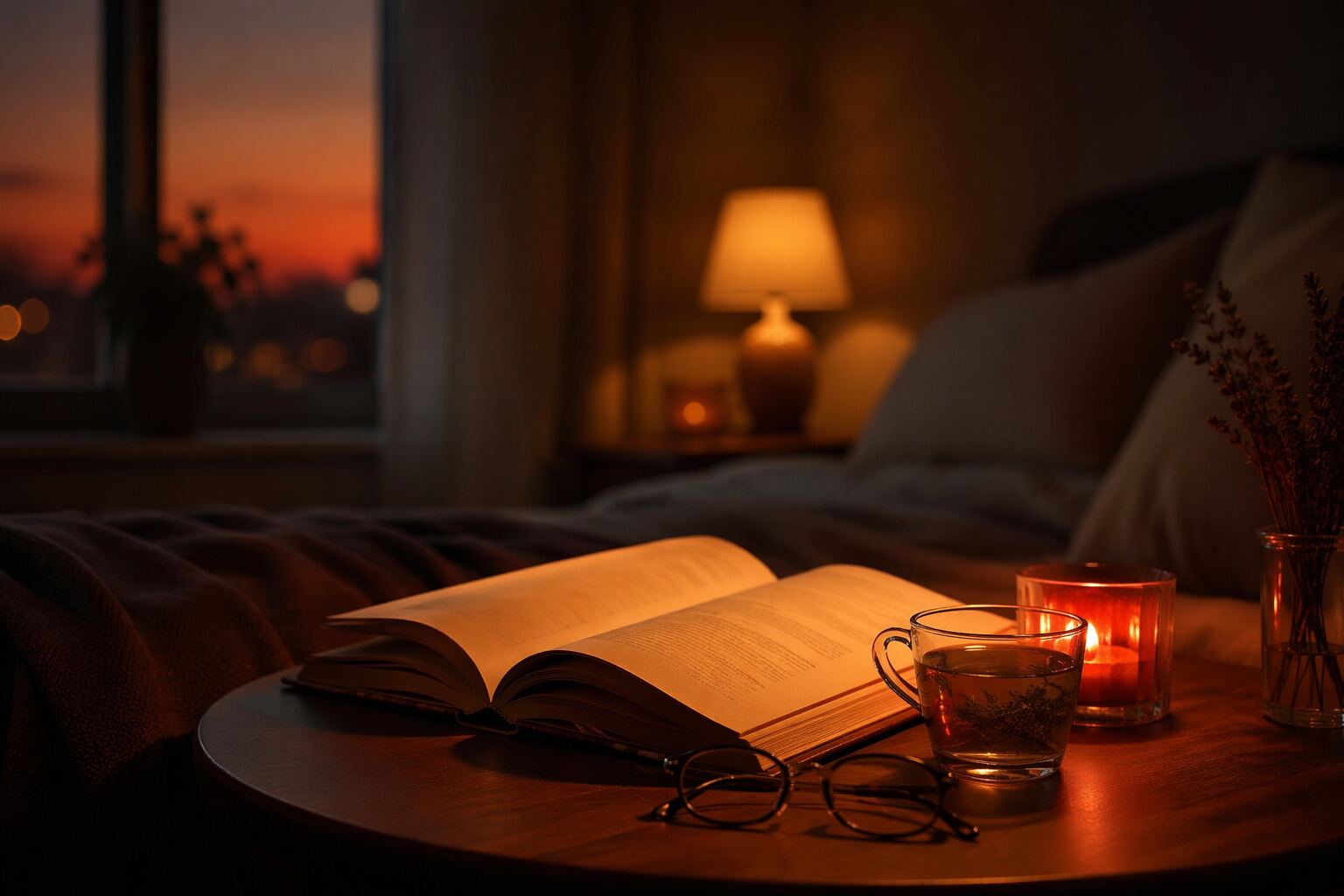
The longest days of the year are also the biggest challenge for your sleep. In June the sun does not set until around 9 PM, and artificial lighting after dark can disrupt the circadian rhythm just as much as in winter.
After sunset, switch your home lighting to red light. Replace white LED bulbs with Evening red bulb Mitochondriak® E27, which contain no blue or green light and are flicker free. Limit screen use, and if you must work, wear Stylish Blue light blocking glasses Mitochondriak® for at least 90 minutes before bed. These simple steps protect your nighttime melatonin production and ensure you wake up well rested. For a deeper dive, read about how our internal clock works.
A systematic review by Tähkämö et al. (2019) confirmed that light exposure directly affects circadian rhythm, sleep and mood, not only through intensity but also through the spectral composition of the light. [R]
Gear up for summer biohacking with Mitochondriak®
Three products that make your summer rituals effortless:
- Mitochondriak® Maxi Upgraded – 7 wavelengths, touch display, full body therapy | €1,469 | In stock
- Grounded barefoot shoes Mitochondriak® – graphene sole, grounding while walking in the city | [PRICE_TBD] | In stock
- Stylish Blue light blocking glasses Mitochondriak® – 100% blue light blocking for better sleep | [PRICE_TBD] | In stock
References
- de Menezes-Júnior, L. A. A. et al. (2025). The role of sunlight in sleep regulation: analysis of morning, evening and total sunlight exposure. PMC. [R]
- Oschman, J. L. et al. (2015). The effects of grounding (earthing) on inflammation, the immune response, wound healing, and prevention and treatment of chronic inflammatory and autoimmune diseases. Journal of Inflammation Research. [R]
- Koniver, L. (2023). Practical applications of grounding to support health. Biomedical Journal. [R]
- Tähkämö, L. et al. (2019). Effects of light on human circadian rhythms, sleep and mood. Somnologie. [R]