
.png)
Red light and the brain is a connection that neuroscience is paying increasing attention to. Researchers are exploring how photobiomodulation affects focus, memory, and mood, and the results are remarkable. In this article, we show you exactly what happens in the brain when it is exposed to red and infrared light, and why this simple tool could transform your everyday performance.
- How red and infrared light acts on mitochondria in brain cells and why it improves their function
- What transcranial photobiomodulation (tPBM) is and how light penetrates the skull
- What clinical studies have found regarding focus, memory, and mood
- Which wavelengths are most effective for the brain and why it matters
- How to start light therapy for the brain at home
- How does red light affect the brain?
- What is transcranial photobiomodulation (tPBM)?
- Red light and focus: what do the studies say?
- Memory and red light: research on older adults
- Mood, anxiety, and depression: can light help?
- Which wavelengths are most effective for the brain?
- How to start red light therapy for the brain at home?
- Frequently asked questions
How does red light affect the brain?
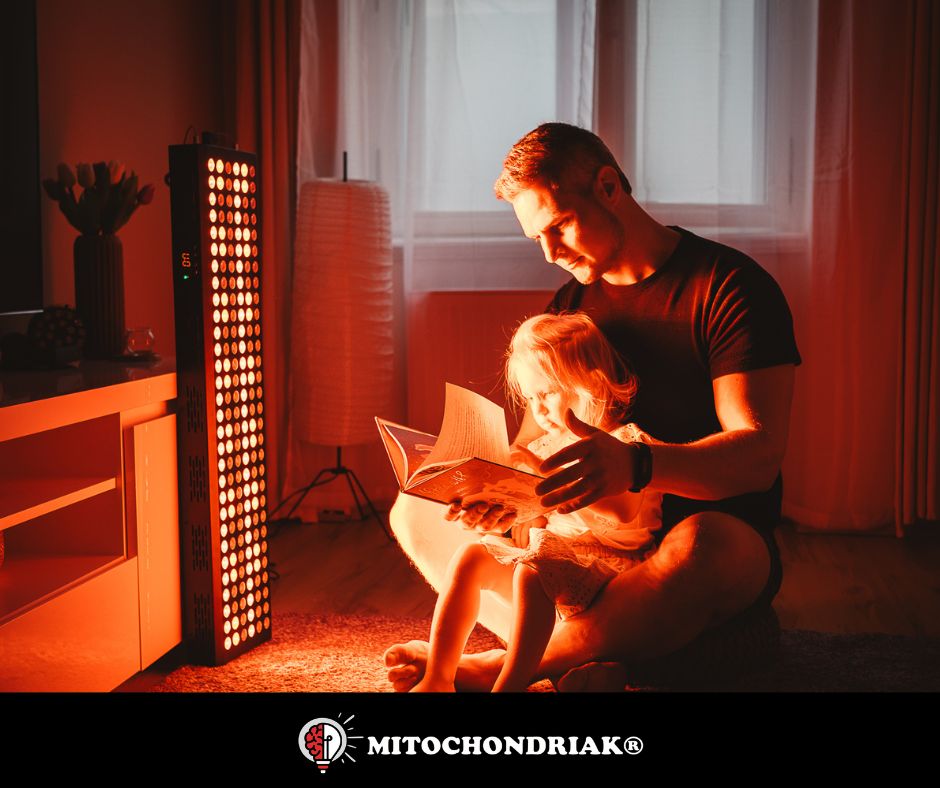
Red and infrared light affects the brain through the same mechanism by which it influences every cell in the body: through the mitochondria. When photons of red or infrared light penetrate brain tissue, they are absorbed by the enzyme cytochrome C oxidase (CCO), a key component of the mitochondrial electron transport chain. This process stimulates the production of ATP, the cell's primary energy currency, while simultaneously reducing oxidative stress.
The brain is one of the most energy-demanding organs in the body. It accounts for roughly 2% of total body weight, yet consumes up to 20% of the body's total energy. When mitochondria in brain neurons work more efficiently, the benefits become apparent across cognitive functions, from concentration and memory to emotional regulation.
A comprehensive review article published in 2024 confirmed that photobiomodulation (PBM) of the brain using red and near-infrared light shows significant improvements in memory, executive function, and overall cognitive performance across various neurological and psychological conditions. [R]
Beyond boosting ATP production, photobiomodulation reduces levels of reactive oxygen species (ROS) in mitochondria, protecting neurons from damage. It also increases the release of nitric oxide (NO), which dilates blood vessels and improves cerebral blood flow. More blood means more oxygen and nutrients for neural networks, which directly translates into better mental performance.
What is transcranial photobiomodulation (tPBM)?
Transcranial photobiomodulation is a non-invasive method in which red or infrared light is applied directly to the head, from where it penetrates through the skull into brain tissue. This approach leverages the ability of light with wavelengths in the range of approximately 630 to 940 nm to pass through biological tissue.
The critical factor is wavelength. Infrared light, particularly in the range of 810 to 940 nm, penetrates deeper than red light and can reach cortical areas of the brain. Studies show that light in this range passes through skin, skull, and meninges, reaching neurons at a depth of several centimetres. [R]
In clinical research, tPBM is administered in various ways, from laser devices and LED panels to specialised helmets fitted with LED diodes. The principle remains the same: to deliver a sufficient dose of light energy into brain tissue to trigger a mitochondrial response without unwanted thermal effects.
Red light and focus: what do the studies say?
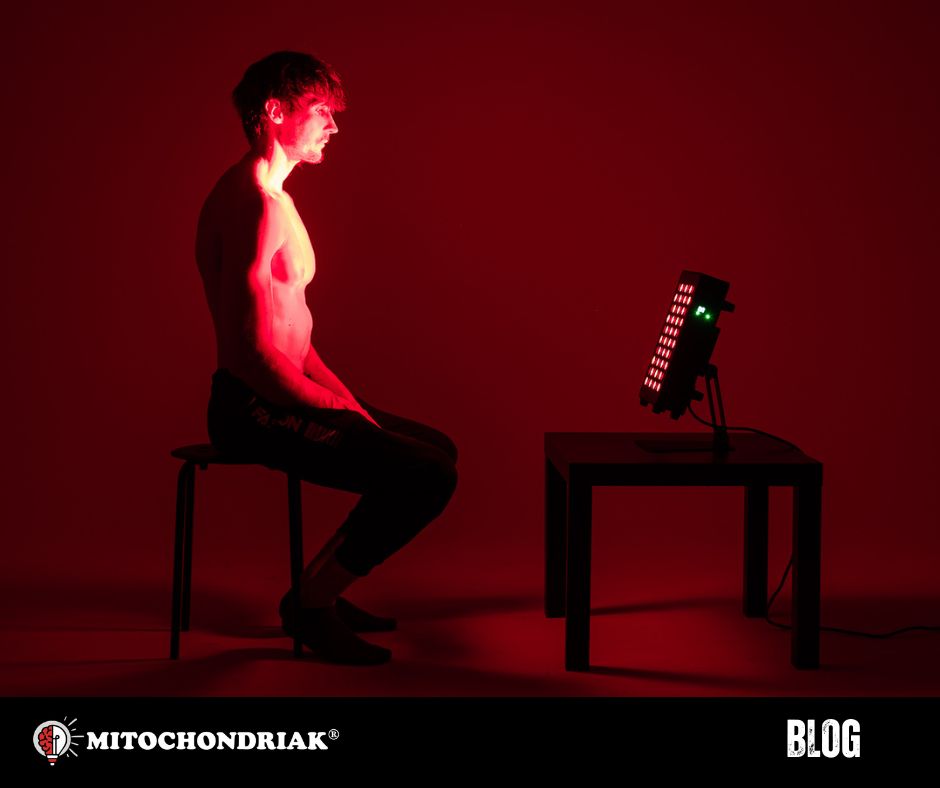
Photobiomodulation has been demonstrated to improve concentration and attention. A systematic review from 2023 that analysed 35 studies on transcranial photobiomodulation showed that 82.9% of studies reported positive improvements in cognitive function following tPBM. [R]
The mechanism is straightforward. When mitochondria in the prefrontal cortex, the area responsible for planning, decision-making, and sustained attention, receive more energy in the form of ATP, neurons communicate more efficiently. Research shows that tPBM modulates the brain's electrical activity and enhances performance in tasks requiring working memory and executive functions. [R]
Interestingly, the positive effects on concentration were observed not only in people with neurological conditions but also in healthy adults. This suggests that photobiomodulation is not merely a therapeutic tool for the unwell but a potential biohacking tool for anyone looking to sharpen their mental performance.
Memory and red light: research on older adults
One of the most promising areas of brain photobiomodulation research is its impact on memory, particularly in older adults who experience a natural decline in cognitive function.
A pilot study from 2017, in which researchers used a specialised helmet with NIR LED diodes on patients with dementia, recorded significant improvements in executive functions, visual attention, and task switching. [R]
Further research from 2021 demonstrated that transcranial NIR therapy is safe and delivers positive cognitive improvements in dementia patients. Results showed improvements in immediate recall, practical memory, and overall cognitive performance. [R]
A recent meta-analysis from 2025 that included randomised controlled trials confirmed that PBM treatment positively affects global cognitive function, working memory, and executive functions in individuals with cognitive impairment. [R]
These findings are particularly significant because they indicate that light therapy can complement, or even partially replace, certain pharmacological approaches to slowing cognitive decline, and it does so without the side effects that medications often bring.
Mood, anxiety, and depression: can light help?
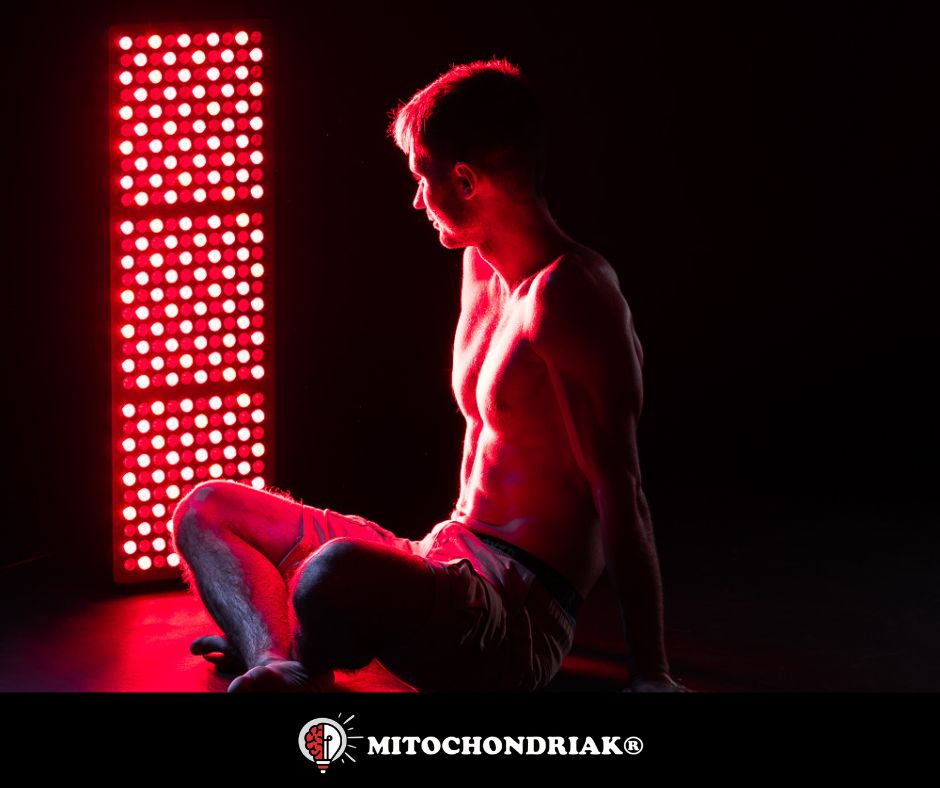
Yes, research indicates that photobiomodulation has the potential to alleviate symptoms of anxiety and depression. The mechanism involves increasing serotonin levels in the hippocampus and prefrontal cortex, both of which are key areas for mood regulation.
Preclinical studies using animal models of depression showed that transcranial photobiomodulation at a wavelength of 810 nm increases serotonin levels while also modulating nitric oxide levels in the brain, leading to a reduction in depressive and anxious behaviour. [R]
A 2025 study examined the effects of photobiomodulation on patients with cognitive impairment following a stroke and found that the treatment improved cognitive abilities, reduced anxiety and depression, and enhanced daily activities. [R]
It is important to emphasise that photobiomodulation is not a replacement for professional psychiatric care in severe forms of depression. However, it is a promising complementary tool that is painless, non-invasive, and has no known serious side effects. Before reaching for a synthetic solution, consider optimising your light environment: morning sunlight, red light in the evening, minimising artificial blue light, and quality sleep in complete darkness.
Which wavelengths are most effective for the brain?
The most effective wavelengths for the brain are in the near-infrared spectrum, because they penetrate deeper into tissue. Research consistently points to wavelengths in the range of 810 to 940 nm as the most effective for transcranial photobiomodulation.
A key role is played by cytochrome C oxidase (CCO), which absorbs light precisely in this range. Some studies highlight that the 810 nm wavelength has a particularly strong effect on reducing mitochondrial oxidative stress and alleviating learning and memory impairments. [R]
Red light in the range of 630 to 670 nm penetrates less deeply but plays an important role in treating superficial structures and in combined applications. Multiple studies suggest that a combination of red and infrared light produces a synergistic effect, as it targets different tissue depths simultaneously.
Mitochondriak® Maxi Upgraded devices feature up to 7 wavelengths: 630, 670, 760, 810, 830, 850, and 940 nm. The wavelengths 810, 830, 850, and 940 nm within this spectrum cover the range that research identifies as most effective for brain tissue. The 760 nm wavelength specifically targets the spectral absorption peak of cytochrome C oxidase, meaning Mitochondriak® covers the full CCO spectrum.
How to start red light therapy for the brain at home?
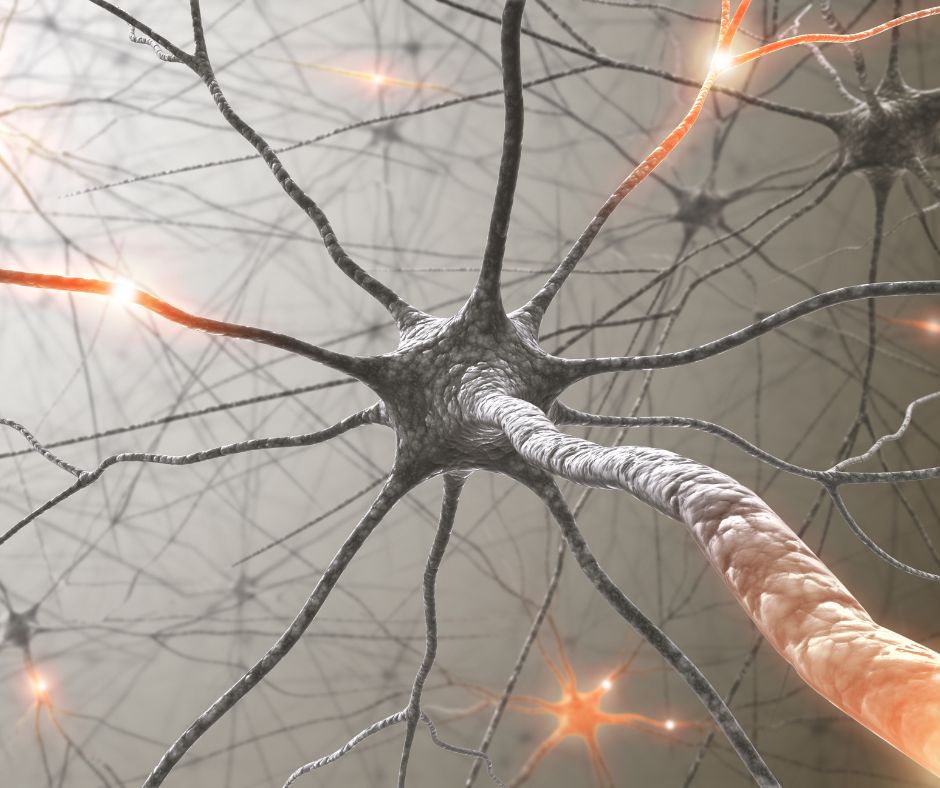
Starting home-based light therapy for the brain is simpler than you might think. You do not need laboratory equipment or specialised helmets. A quality infrared panel with near-infrared wavelengths can deliver light through the skull when applied at the correct distance.
When choosing a device, focus on several key parameters:
- Wavelengths: The device should include infrared wavelengths in the 810 to 940 nm range. The more wavelengths within this spectrum, the better.
- Intensity: Sufficient power output is essential for light to penetrate through skin and skull. Quality panels achieve an intensity of 50 mW/cm² and above from a distance of 30 cm.
- Zero flicker and EMF: For therapy targeting the head area, it is especially important that the device has no measurable flicker or electromagnetic radiation at the therapeutic distance.
For home use targeting the brain, we recommend the latest generation Mitochondriak® panels with touchscreen displays that meet all of the above parameters:
- Mitochondriak® Maxi Upgraded (€1,399): 300 LEDs, 7 wavelengths (630 to 940 nm), touchscreen display, zero flicker and EMF. Ideal for full-body and targeted sessions, including the head area.
- Mitochondriak® Office Upgraded (€699): A more compact version suitable for your desk, where you can aim it at the face and head area while you work.
When applying light to the head area, always consult the recommendations on the product page or in the FAQ section on the Mitochondriak® website, where you will find specific protocols for each device, including distance and session length.
An important tip: optimise your overall light environment too. Morning sunlight into your eyes within the first 30 minutes of waking sets your circadian rhythm and maximises natural cortisol production, directly supporting your focus throughout the day. In the evening, reduce blue light exposure, for example by using Blue light blocking glasses Mitochondriak®, and create the conditions for quality sleep, during which the brain regenerates.
Support your brain with the light it was designed for
The latest generation of Mitochondriak® infrared panels features 7 to 9 wavelengths, including the near-infrared spectrum of 810 to 940 nm that research identifies as most effective for brain tissue. Touchscreen display, zero flicker, no EMF at the therapeutic distance.
Frequently asked questions
Can red light really penetrate the skull?
Yes, infrared light with wavelengths of 810 to 940 nm penetrates through skin, skull, and meninges, reaching neurons. The efficiency of penetration depends on wavelength, source intensity, and tissue thickness. Red light (630 to 670 nm) penetrates less deeply but can still affect superficial cortical structures.
How many times per week should I use light therapy on the brain?
Most studies used a frequency of 3 to 5 sessions per week over several weeks. The exact protocol depends on the specific device, so we recommend following the guidelines on the product page or in the FAQ section on the Mitochondriak® website.
Is photobiomodulation of the brain safe?
Yes, photobiomodulation is considered a safe, non-invasive method. No serious side effects have been reported in clinical studies. Light does not ionise tissue and, when applied correctly, does not cause overheating. However, it is always advisable to use certified devices and follow the recommended parameters.
Can red light help with brain fog?
Research suggests that photobiomodulation may alleviate cognitive dysfunction, including brain fog. A clinical study published in 2026 in The Lancet eClinicalMedicine examined the efficacy of home-based intranasal and transcranial PBM for cognitive dysfunction following illness, and the results were positive. [R]
What is the difference between a laser and an LED panel for brain therapy?
A laser produces coherent light of a single wavelength with high penetration but covers a small area. LED panels emit light across multiple wavelengths and cover a larger surface area, making it possible to illuminate a greater portion of the head at once. For home use, LED panels are more practical and safer.
Can red light improve sleep, and thereby cognitive function?
Yes, sleep and cognitive function are closely interconnected. Quality sleep is essential for memory consolidation and brain regeneration. Unlike blue light, red light in the evening does not suppress melatonin production, and photobiomodulation may even improve sleep quality and circadian rhythm.
Sources and references
- Nairuz T et al. (2024). Photobiomodulation Therapy on Brain: Pioneering an Innovative Approach to Neurological Disorders. PMC. [R]
- Pan W et al. (2023). Advances in photobiomodulation for cognitive improvement by near-infrared derived multiple strategies. PMC. [R]
- Zamani Mazdeh D et al. (2022). Can transcranial photobiomodulation improve cognitive function? A systematic review. PubMed. [R]
- Berman MH et al. (2017). Photobiomodulation with Near Infrared Light Helmet in a Pilot, Placebo Controlled Clinical Trial in Dementia Patients. PMC. [R]
- Nizamutdinov D et al. (2021). Transcranial Near Infrared Light Stimulations Improve Cognition in Patients with Dementia. PMC. [R]
- Salehpour F et al. (2024). Transcranial photobiomodulation for brain diseases. PMC. [R]
- 2025 Meta-analysis. PBM treatment positively impacts cognitive function. Lasers in Medical Science. [R]
- Huang X et al. (2025). Red-light photobiomodulation improves cognition and reduces anxiety and depression. PMC. [R]
- Salehpour F et al. (2019). Transcranial photobiomodulation prevents anxiety and depression. ResearchGate. [R]
- The Lancet eClinicalMedicine (2026). Photobiomodulation for cognitive dysfunction (Brain Fog). [R]