.png)
Red light is an essential part of the solar spectrum and one of the most important energy sources for our cells. Red light therapy harnesses this natural principle and brings it into your home, where it supports recovery, skin rejuvenation, sleep, and pain relief. In this article, you will learn what red light actually is, how it affects your mitochondria, and why biohackers, athletes, and dermatologists around the world rely on it.
- What red light is, which wavelengths it uses, and why your body needs it
- How red light stimulates mitochondria, ATP production, and cytochrome c oxidase
- Scientifically verified benefits for skin, muscle recovery, sleep, joints, and hair growth
- How to choose the right device for red light therapy at home
- How to start with red light therapy and what the recommended parameters are
- What is red light and why is it so important for us?
- How does red light work at the cellular level?
- What are the health benefits of red light therapy?
- Who can benefit most from red light therapy?
- Does red light therapy have side effects?
- How to choose the right red light therapy device?
- How to use red light therapy at home?
- Frequently Asked Questions about Red Light Therapy
- Sources and References
What is red light and why is it so important for us?
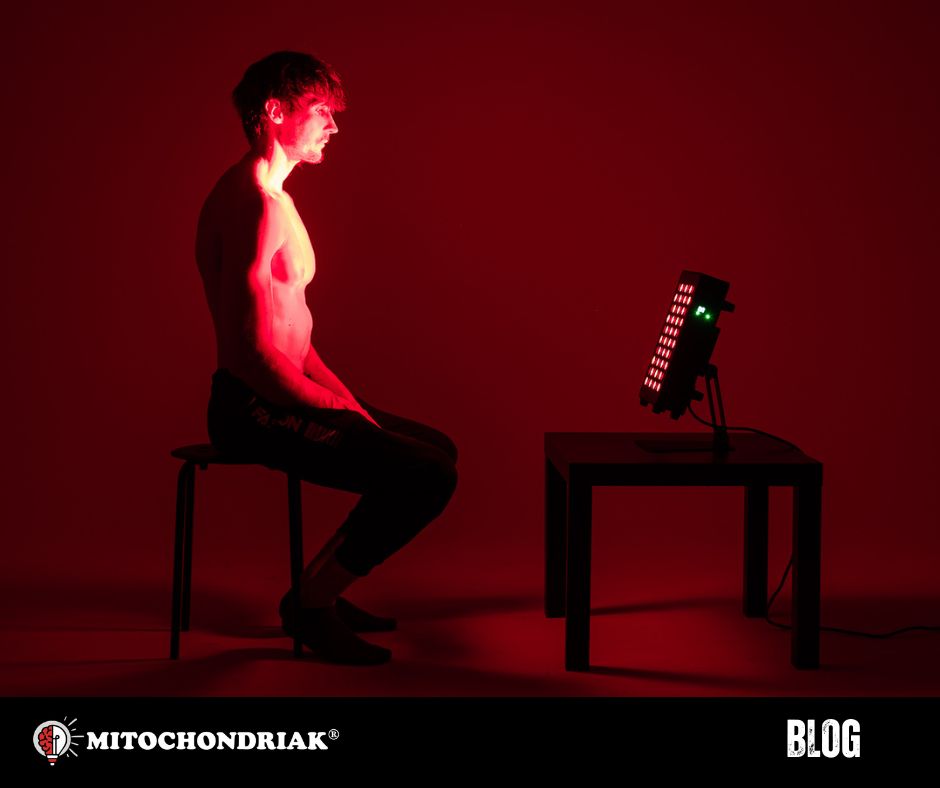
Red light is a visible part of the electromagnetic spectrum with wavelengths ranging from approximately 600 to 800 nm. It is a natural component of sunlight and, unlike the UV portion, poses no risk of skin burns. Red light is among the most biologically active parts of the spectrum because it can penetrate the skin several millimeters deep and directly influence processes inside our cells.
Alongside red light, there is also near-infrared light (NIR), which operates at wavelengths from 800 to approximately 1,100 nm. NIR light is invisible to the human eye but penetrates even deeper, reaching muscles, joints, and tendons. Together, they form the foundation of a method called photobiomodulation (PBM), also known as red light therapy (RLT). [R]
The history of this method dates back to the 1960s, when Hungarian physician Endre Mester discovered during laser experiments that low-energy light promotes wound healing. In the 1990s, NASA continued this research, applying it to accelerate astronaut recovery in space. Today, red light therapy has thousands of published studies and finds applications in dermatology, sports medicine, neurology, and biohacking. [R]
How does red light work at the cellular level?
Red light works by transferring light energy into mitochondria, the energy centers in every cell of our body. Unlike traditional infrared heat lamps, which primarily warm tissues, photobiomodulation works through light, not heat.
Mitochondria and cytochrome c oxidase
Mitochondria are organelles that convert nutrients into cellular energy in the form of adenosine triphosphate (ATP). When photons of red light penetrate a cell, they are absorbed by the enzyme cytochrome c oxidase (CCO) in the mitochondrial electron transport chain. CCO has absorption peaks precisely in the red and near-infrared spectrum, which is why these wavelengths are so biologically effective. [R]
The result is increased ATP production, which means more energy for repair, recovery, and proper cell function. In addition, nitric oxide (NO) is released, which dilates blood vessels and improves tissue blood flow. You can learn more about how mitochondria produce energy in our dedicated article.
Photobiomodulation: Why red light is not "just heat"
Photobiomodulation is often confused with infrared heat lamps, but it involves a fundamentally different mechanism. While an infrared heat lamp generates warmth through mid- and far-infrared radiation, a quality LED panel for red light therapy delivers precisely defined wavelengths without excessive heating. The light also triggers mild controlled oxidative stress, which acts as a positive biological signal to activate repair processes. [R]
What is the difference between red and near-infrared light?
The difference lies primarily in the depth of penetration into the body:
- Red light (600 to 800 nm) acts mainly on the skin and subcutaneous tissue, where it supports collagen production, wound healing, and overall skin quality.
- Near-infrared light (800 to 1,100 nm) penetrates deeper into muscles, joints, and tendons, where it accelerates recovery, reduces inflammation, and alleviates pain.
The most effective devices therefore combine both components. Mitochondriak® infrared panels feature up to 7 wavelengths: 630, 670, 760, 810, 830, 850, and 940 nm, covering the entire absorption spectrum of cytochrome c oxidase and allowing simultaneous treatment of both superficial and deep tissues.
What are the health benefits of red light therapy?
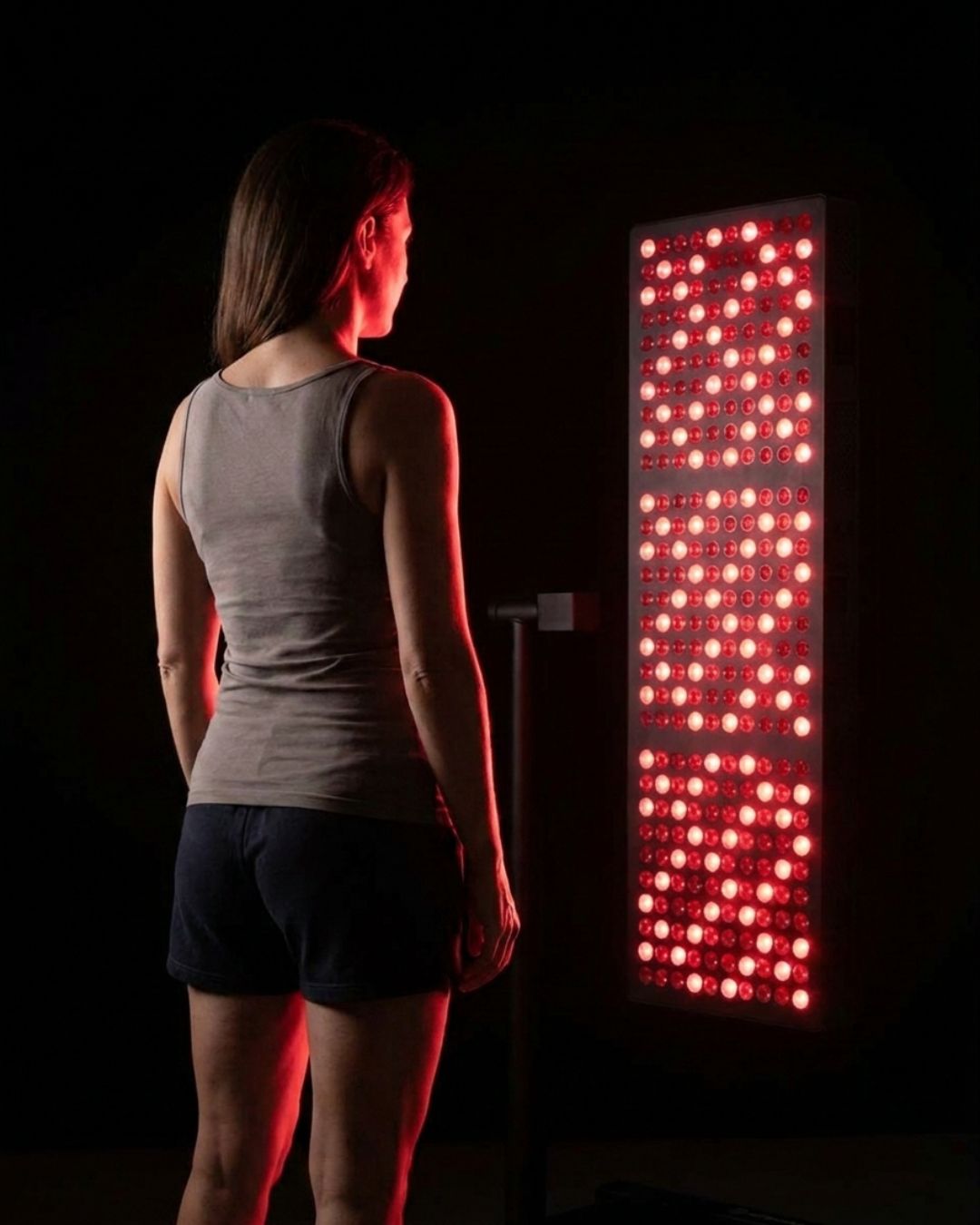
Red light therapy has a broad spectrum of effects confirmed by scientific research. Red and infrared light act at the cellular level, which means they can influence multiple body systems simultaneously.
Skin, collagen, and anti-aging
Red light stimulates fibroblasts, the cells responsible for producing collagen and elastin. These proteins determine whether skin is firm, elastic, and smooth. In a clinical study published in Skin Research & Technology, 20 participants showed a reduction in wrinkle depth around the eyes of approximately 38% after 3 months of regular use, along with increased skin density and elasticity. [R]
Red light in the 630 to 670 nm range has proven effective for problematic skin, acne, and overall skin revitalization. Mitochondriak® devices work with wavelengths of 630 and 670 nm, making them suitable for at-home skin treatments.
Muscle recovery and athletic performance
Red light accelerates post-workout recovery through multiple mechanisms. Improved blood flow helps remove inflammatory substances and lactate more quickly after physical exertion. Research shows that regular muscle irradiation reduces perceived soreness (DOMS) particularly 72 to 96 hours after exercise and lowers creatine kinase levels, indicating cellular repair support. [R]
Infrared light in the 810 to 940 nm range penetrates deep into muscle tissue. Mitochondriak® infrared panels include wavelengths of 810, 830, 850, and 940 nm, covering the spectrum verified by research for reducing muscle soreness and recovery.
Joint pain and inflammatory processes
Red light reduces inflammatory processes by lowering pro-inflammatory cytokine levels and supporting anti-inflammatory mediators. An umbrella review of randomized clinical trials confirmed that photobiomodulation reduces pain in osteoarthritis and other inflammatory joint conditions. [R]
The effect is most pronounced when using near-infrared light, which penetrates directly into the joint capsule. The 760 nm wavelength, which Mitochondriak® is one of the few manufacturers to include in its devices, targets cytochrome c oxidase and contributes to covering the entire CCO absorption spectrum.
Sleep and circadian rhythm
Evening exposure to red light supports natural melatonin production and helps synchronize the circadian rhythm. Unlike blue and white LED light, which suppress melatonin production, red light has the opposite effect. A study published in Frontiers in Psychiatry confirmed that red light improves sleep quality in both healthy individuals and people with sleep disorders. [R]
You can learn more about this mechanism in our article on cortisol, morning light, and the circadian rhythm.
Wound healing and scarring
Red light supports faster tissue repair by stimulating cell growth and increasing collagen production. Original NASA research confirmed that LED light with wavelengths in the red and NIR spectrum accelerates wound healing in astronauts. A systematic review of the anti-inflammatory effects of photobiomodulation confirms that red light switches immune cells from an inflammatory to a regenerative mode. [R]
Hair and hair follicles
Red light can stimulate dormant hair follicles and promote hair growth, even in cases of androgenetic alopecia. The proposed mechanism involves improved scalp blood flow and increased cellular energy in the follicles. [R]
Energy, mood, and cognitive function
Increased ATP production also manifests at the level of mental performance and energy. Red and NIR light improve blood flow in the brain, support the metabolic activity of neurons, and contribute to better memory and concentration. [R]
Who can benefit most from red light therapy?
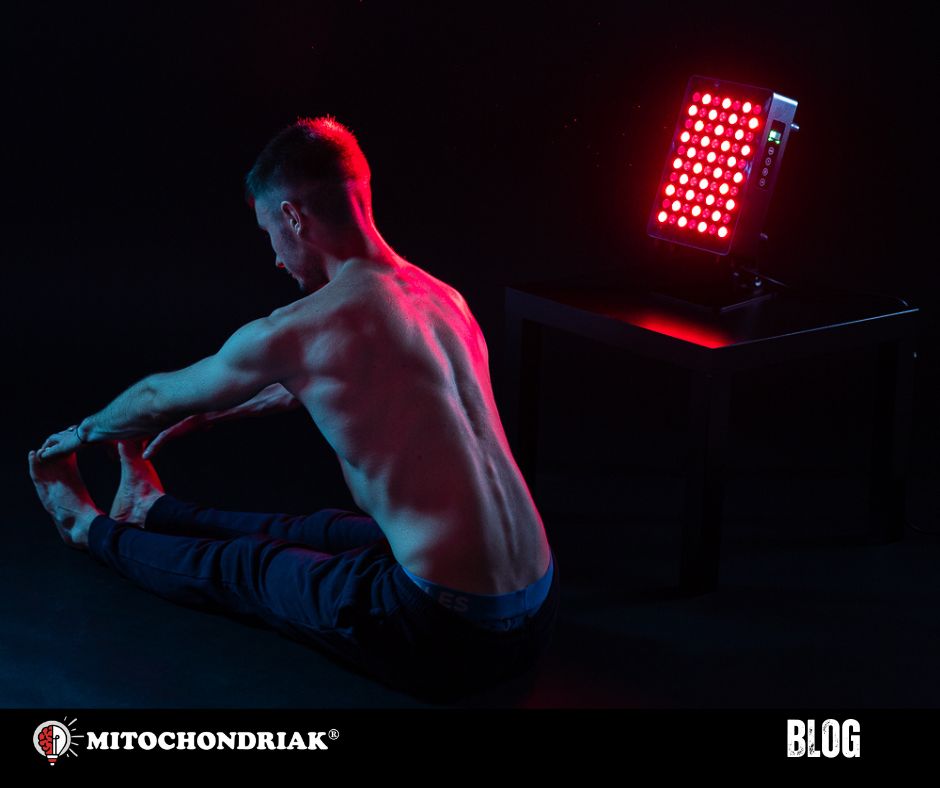
Red light therapy is a universal method, but the greatest benefits are seen in these groups:
- Athletes and active individuals who want to speed up post-workout recovery and reduce the risk of injury
- People with skin concerns, including acne, wrinkles, scars, and overall decline in skin quality
- Those suffering from chronic pain in joints, muscles, or tendons
- Biohackers and sleep optimizers who want to support their circadian rhythm without chemical aids
- Seniors and people with sedentary jobs who spend little time outdoors and lack adequate exposure to natural sunlight
- Women focused on anti-aging and natural skin rejuvenation
Does red light therapy have side effects?
Red light therapy is considered a very safe method. Side effects are rare and typically involve mild, temporary reactions such as slight skin redness, temporary fatigue, or mild headache from overly long sessions. These effects resolve spontaneously. [R]
However, there are situations where it is advisable to consult a healthcare professional before starting therapy:
- Active cancer
- Thyroid disorders (especially hyperthyroidism)
- Epilepsy
- Pregnancy
- Light sensitivity (photosensitivity) or use of photosensitizing medications
- Fresh burns (first 24 to 48 hours)
How to choose the right red light therapy device?
There are many devices on the market today and the differences between them are significant. The right choice depends on several key parameters.
What to look for when choosing a panel?
When selecting a quality red light therapy device, pay attention to these parameters:
- Wavelengths - a quality panel should combine red (630 to 670 nm) and near-infrared light (810 to 940 nm). The more wavelengths a device covers, the more comprehensive its effect.
- Power output (irradiance) - at least 100 mW/cm² for a therapeutic effect.
- Zero flicker - LED flickering can be harmful. Look for devices with flicker elimination.
- Low EMF - electromagnetic fields should be at zero at the recommended distance.
- Pulsing - advanced devices offer pulsing modes for deeper light penetration into tissues.
Mini panel vs. office panel vs. full-body panel: Which one is right for you?
Mitochondriak® devices cover the full spectrum of needs:
- Mitochondriak® mini - a portable panel with battery power and 6 wavelengths. Ideal for travel or targeted therapy of specific body areas such as the knee, shoulder, or face.
- Mitochondriak® Office - a compact panel with a touchscreen display, suitable for the office, beauty salon, or home use.
- Mitochondriak® Maxi - the most popular full-body panel with 300 LEDs and 7 wavelengths (630, 670, 760, 810, 830, 850, 940 nm) and a touchscreen display.
- Mitochondriak® Maxi UVB - the most advanced multi-wavelength device with added UVB for vitamin D production, designed for users who want the maximum from light therapy.
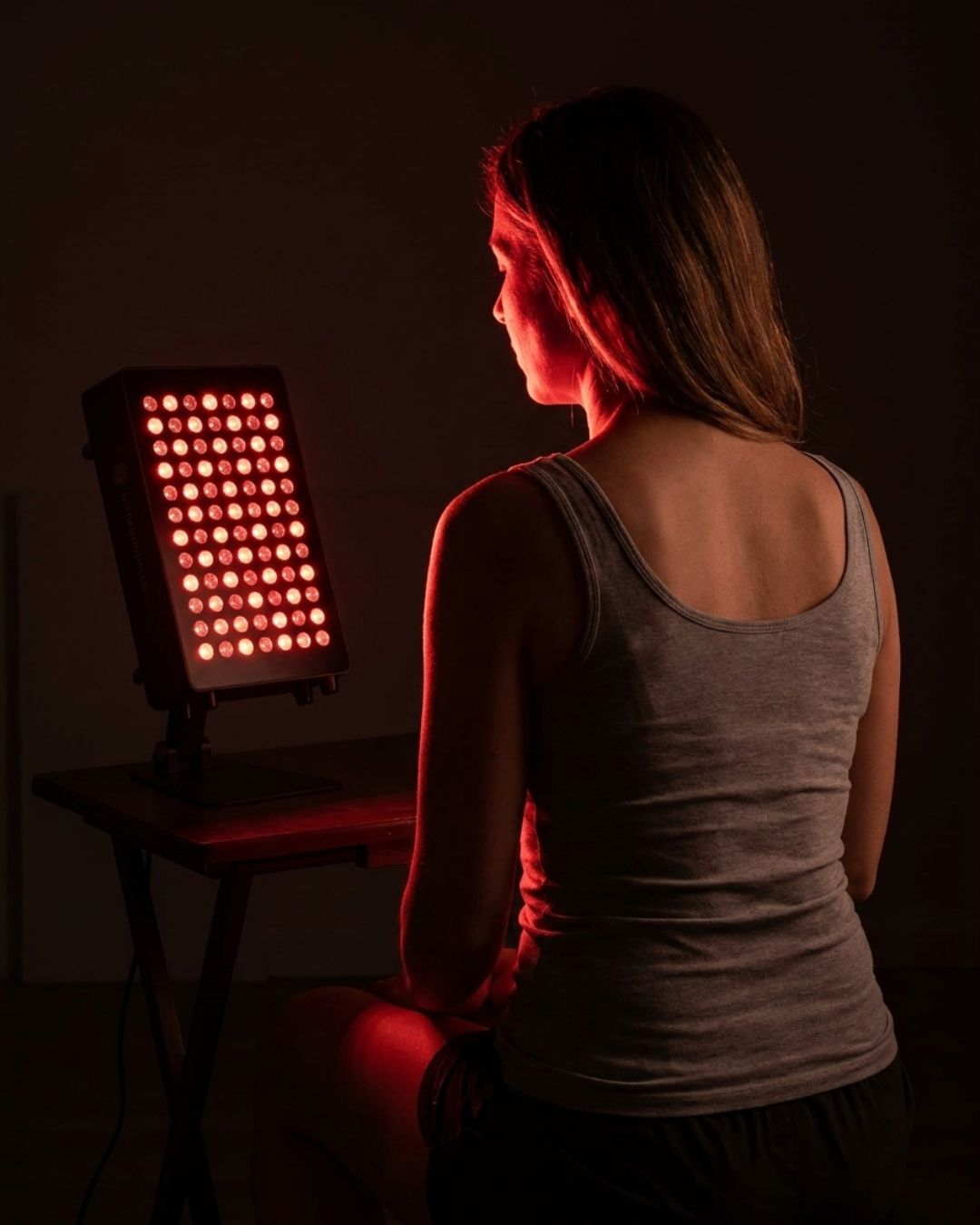
How to use red light therapy at home?
Proper usage is key to achieving results. Too weak a dose may not produce an effect, but overdoing it can paradoxically fatigue your cells. We recommend following these parameters:
- Distance: 30 to 60 cm from the panel. For surface-level treatment (skin), a shorter distance is sufficient; for deeper tissues, use 30 to 60 cm.
- Duration: 10 to 20 minutes per session. For surface treatments (skin), 5 to 10 minutes is enough; for deeper tissues (muscles, joints), 15 to 30 minutes.
- Frequency: 3 to 5 times per week for optimal results. Consistency matters more than the length of a single session.
- Time of day: Morning for an energy boost, evening for relaxation and sleep preparation.
- Clothing: Light must reach bare skin directly. Clothing blocks light penetration.
- Eyes: We recommend closing your eyes or using protective goggles, which are included with Mitochondriak® infrared panels.
The new Mitochondriak® devices with touchscreen display offer preset programs based on your therapy goal (recovery, skin, sleep), so parameters are set automatically. Simply stand in front of the device and enjoy your session.
For more detailed information, visit our FAQ center.
Experience the power of red light on your own skin
Mitochondriak® infrared panels combine up to 7 wavelengths (630 to 940 nm), zero flicker, a touchscreen display, and the expert backing of a European brand.
Frequently Asked Questions about Red Light Therapy
Is red light therapy safe for your eyes?
Red light is generally not harmful to the eyes, but powerful panels can be uncomfortably bright. We recommend keeping your eyes closed or using protective goggles, which are included with all Mitochondriak® devices. Both red and infrared light penetrate through closed eyelids.
How often should I use red light therapy?
For optimal results, we recommend using red light therapy 3 to 5 times per week for 10 to 20 minutes per session. The key to results is consistency, not the length of any single session.
Does red light therapy work through clothing?
No, for maximum effectiveness, red light must reach bare skin directly. Even thin clothing absorbs or reflects a large portion of the light, significantly reducing the therapeutic effect.
What is the difference between red light therapy and an infrared heat lamp?
An infrared heat lamp uses mid- and far-infrared radiation to warm tissues. A therapeutic LED panel uses red and near-infrared light to stimulate mitochondria without producing excessive heat. These are two fundamentally different mechanisms of action. Learn more about these differences in our article on what red light therapy is.
When will I start seeing results from red light therapy?
Initial results typically appear after 2 to 4 weeks of regular use. Pain relief or improved muscle recovery may come after the very first sessions, while visible skin changes (collagen production) require more time.
What is photobiomodulation and how does it relate to red light therapy?
Photobiomodulation (PBM) is the scientific term for the biological effects of red and near-infrared light on cells. You may also encounter the term low-level light therapy (LLLT). All of these terms describe the same principle: using specific light wavelengths to stimulate mitochondria and support cellular function.
Can you "overdose" on red light therapy?
Yes, photobiomodulation follows a so-called biphasic dose response. Excessively long irradiation can paradoxically fatigue cells and reduce or eliminate the positive effect. That is why it is important to stick to the recommended 10 to 20 minutes per session and not assume that more is automatically better.
Sources and References
- Dompe, C. et al. (2020). Photobiomodulation: Underlying Mechanism and Clinical Applications. Journal of Clinical Medicine. PMC7356229
- Couturaud, V. et al. (2023). Reverse skin aging signs by red light photobiomodulation. Skin Research & Technology. PMC10311288
- Hamblin, M.R. (2017). Mechanisms and applications of the anti-inflammatory effects of photobiomodulation. AIMS Biophysics. PMC5523874
- Shivappa, P. et al. (2025). From light to healing: photobiomodulation therapy in medical disciplines. PMC12751248
- Son, Y. et al. (2025). Effects of photobiomodulation on multiple health outcomes: an umbrella review of randomized clinical trials. PMC12326686
- Al Balah, O.F. et al. (2024). Immunomodulatory effects of photobiomodulation: a comprehensive review. PMC11991943
- Pan, R. et al. (2023). Effects of red light on sleep and mood in healthy subjects and individuals with insomnia disorder. Frontiers in Psychiatry. Frontiers
- Tsou, Y.-A. et al. (2025). Effects of Photomodulation Therapy for Delayed Onset Muscle Soreness: A Systematic Review and Meta-Analysis. PMC12286287