
.png)
If you have heard about grounding shoes and want to try barefoot walking that also keeps you electrically connected to the earth, this guide is your starting point. We break down how earthing footwear works, what separates grounding shoes from ordinary barefoot shoes, and exactly what to look for before you buy your first pair.
- Grounding shoes combine a barefoot design with a conductive sole that keeps you electrically connected to the ground.
- The key difference from regular barefoot shoes is the conductive graphene sole, not the shape.
- When buying, prioritise sole conductivity, a wide toe box, zero drop and correct sizing.
- Grounding evidence is still early-stage, so realistic expectations matter more than hype.
- Beginners should transition gradually and use summer as the ideal season to start.
In this guide
- What are grounding shoes?
- How do grounding shoes actually work?
- Grounding shoes vs regular barefoot shoes: what is the difference?
- What should you look for when buying grounding shoes?
- Best grounding shoes for beginners
- How do you start with grounding shoes as a beginner?
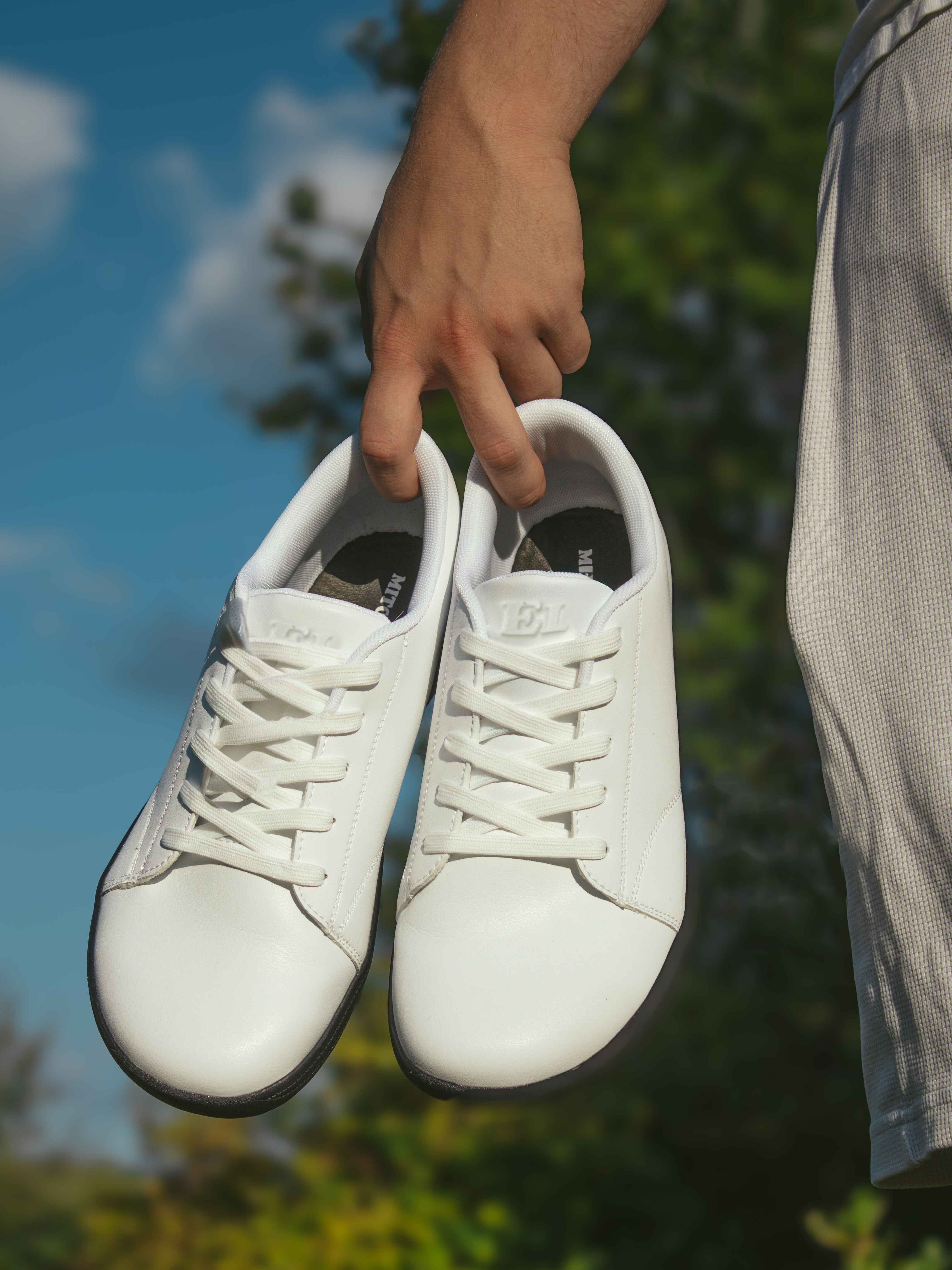
What are grounding shoes?
Grounding shoes are barefoot-style shoes built with a conductive sole that lets a small flow of electrons pass between the ground and your body. Unlike conventional rubber-soled footwear, which insulates you from the earth, earthing shoes are designed to keep that connection alive while you walk, so you get the foot freedom of barefoot shoes plus continuous contact with the ground.
The idea sits at the intersection of two movements: the barefoot footwear trend, which prioritises natural foot movement, and grounding (also called earthing), which focuses on physical contact with the earth's surface. A true grounding shoe has to satisfy both: it must move like a barefoot shoe and conduct like bare skin on soil. Most pairs achieve the conductive part through a graphene-infused or carbon-loaded sole that bridges your foot to the ground.
How do grounding shoes actually work?
Grounding shoes work by replacing the insulating sole of a normal shoe with a conductive pathway, so the earth's electrons can reach your body as you walk on natural surfaces. The conductive material, typically graphene combined with rubber, runs from the outsole to the footbed, completing a circuit between the ground and your skin.
The underlying concept is straightforward physics. The surface of the earth carries a mild negative charge, and direct skin contact with soil, grass or sand allows electrons to transfer to the body. Proponents, including researchers such as Gaetan Chevalier and biophysicist James Oschman, have proposed that this contact may influence the body's electrical environment. It is important to be measured here: the research base on grounding benefits is still early-stage and relatively small, so grounding shoes should be seen as a wellness and lifestyle tool rather than a medical device.
One practical caveat: grounding shoes only conduct when you walk on a conductive surface. Grass, soil, sand and unsealed concrete work well; dry asphalt, painted floors, vinyl and most indoor flooring do not. The shoe is the bridge, but the earth has to be on the other side.
Grounding shoes vs regular barefoot shoes: what is the difference?
The core difference is conductivity: every grounding shoe is a barefoot shoe, but not every barefoot shoe grounds you. Regular barefoot shoes share the same flexible, zero-drop, wide-toe philosophy, yet their soles are usually insulating, which breaks your electrical contact with the earth. Grounding shoes add a conductive element so that connection is preserved.
Sole conductivity
This is the decisive factor. A standard barefoot sole made purely of EVA foam or insulating rubber will not ground you. Grounding shoes use a graphene or carbon-conductive sole engineered to pass electrons while still protecting your feet from rough terrain.
Toe box and movement
Both shoe types favour a wide toe box that lets toes splay naturally, a thin and flexible sole, and a zero-drop profile with no raised heel. If you already enjoy barefoot shoes, the feel of grounding shoes will be familiar; the difference is what happens electrically, not how they move.
When each one makes sense
Choose regular barefoot shoes if your only goal is natural foot mechanics on any surface, including long indoor days. Choose grounding shoes if you want that same barefoot feel and you spend meaningful time outdoors on natural ground, where the conductive sole can actually do its job.
What should you look for when buying grounding shoes?
When buying grounding shoes, prioritise sole conductivity, a wide toe box, a zero-drop profile and accurate sizing. These four factors decide whether a pair actually grounds you, feels like a true barefoot shoe, and stays comfortable enough to wear every day.
Conductivity and sole materials
Conductivity is the feature that separates a grounding shoe from an ordinary barefoot shoe. Look for a sole that uses a conductive material such as graphene combined with rubber, which can pass electrons to your foot while still cushioning you from rough ground. The Mitochondriak® grounded barefoot shoes, for example, use a graphene and rubber sole that is engineered to be conductive on natural surfaces yet protective underfoot.
Wide toe box and zero drop
A genuine barefoot shape needs a wide toe box so your toes can splay naturally, plus a thin, flexible, zero-drop sole with no raised heel. This lets your foot move the way it is designed to. Research on minimalist footwear suggests that regular use of barefoot-style shoes can strengthen the small muscles of the foot over time, which is one reason the barefoot philosophy has grown beyond a niche trend.[3][4]
Sizing and fit
Sizing is where most beginners go wrong. Barefoot shoes should fit your foot length with a small amount of room at the toes, never squeezing the forefoot. Measure your foot in centimetres and compare against the brand size chart rather than assuming your usual number. A correctly sized grounding shoe should feel snug at the heel and roomy at the toes.
Everyday wearability
Finally, think about where you will wear them. A good grounding shoe should look discreet enough for everyday and social settings, not just the garden. Materials matter here too: a breathable upper and a comfortable lining make the difference between a pair you wear daily and one that stays in the cupboard.
Best grounding shoes for beginners
For beginners, the ideal grounding shoe combines a conductive sole with a true barefoot fit and a design you can wear all day without looking out of place. The Grounded barefoot shoes Mitochondriak® were built around exactly this balance, which makes them a practical first pair for anyone new to earthing footwear.
According to the product specification, the Grounded barefoot shoes Mitochondriak® combine barefoot design, grounding and biohacking in one shoe. They use a graphene and rubber sole that is conductive yet insulating where it needs to be, a wide toe box for natural toe splay, a microfibre upper and a pigskin interior. The result is a shoe that is elegant enough for everyday and social wear while still doing the grounding job outdoors.
If you want to start with a pair that is designed for grounding from the ground up rather than a standard barefoot shoe, you can see the full specification and available sizes on the Grounded barefoot shoes Mitochondriak® product page, or browse the wider grounding and earthing footwear category.
How do you start with grounding shoes as a beginner?
Start with grounding shoes gradually: wear them for short sessions on natural surfaces first, let your feet adapt to the zero-drop barefoot feel, and build up your time outdoors over a few weeks. Summer is the easiest season to begin, because warm grass, soil and sand are the surfaces where the conductive sole works best.
A simple beginner approach looks like this:
- Week 1 to 2: wear your grounding shoes for 20 to 30 minutes a day on grass or soil, letting your feet get used to the thin, flexible sole.
- Week 3 to 4: extend outdoor walks and add short everyday use, such as a walk in the park or time in the garden.
- From week 5: use them as your default outdoor shoe whenever you are on natural ground.
Because barefoot shoes engage your foot muscles differently from cushioned footwear, a gradual transition helps you avoid early soreness while your feet adapt. Keep your expectations realistic and measured: grounding shoes are a wellness and lifestyle tool, and the research on grounding is still early-stage rather than conclusive.[1][2]
Frequently asked questions
What are grounding shoes and how do they work?
Grounding shoes are barefoot-style shoes with a conductive sole that keeps you electrically connected to the earth as you walk. Instead of the insulating rubber used in normal shoes, they use a conductive material such as graphene so electrons from the ground can reach your body on natural surfaces like grass, soil and sand.
Are grounding shoes worth it for beginners?
For beginners who already want to try barefoot shoes and who spend time outdoors, grounding shoes are a sensible single purchase because they deliver the barefoot feel plus a conductive sole. Keep expectations measured: grounding evidence is still early-stage, so treat them as a comfortable wellness and lifestyle tool rather than a medical device.
Grounding shoes vs regular barefoot shoes, what is the difference?
The shape is the same, but the sole is not. Regular barefoot shoes share the wide toe box, zero drop and flexible sole, yet their soles usually insulate you from the earth. Grounding shoes add a conductive element, so you keep that electrical contact with the ground while still walking like you are barefoot.
How do I choose the right size for barefoot grounding shoes?
Measure your foot length in centimetres and compare it to the brand size chart instead of assuming your usual size. A correct fit is snug at the heel with a little room at the toes, so your toes can splay without the forefoot feeling tight. Barefoot shoes should never compress the toes.
Can I wear grounding shoes every day?
Yes. A well-made grounding shoe is designed for everyday and social wear, so you can use it as your normal shoe. Remember that the grounding effect only happens on conductive surfaces such as grass or soil, so indoors and on dry asphalt you simply get the benefits of a comfortable barefoot shoe.
Sources and references
- Chevalier G, Sinatra ST, Oschman JL, Sokal K, Sokal P. Earthing: health implications of reconnecting the human body to the Earth's surface electrons. J Environ Public Health. 2012;2012:291541. PMID: 22291721. PMCID: PMC3265077. pmc.ncbi.nlm.nih.gov/articles/PMC3265077
- Oschman JL, Chevalier G, Brown R. The effects of grounding (earthing) on inflammation, the immune response, wound healing, and prevention and treatment of chronic inflammatory and autoimmune diseases. J Inflamm Res. 2015;8:83-96. PMID: 25848315. PMCID: PMC4378297. pmc.ncbi.nlm.nih.gov/articles/PMC4378297
- Ridge ST, Olsen MT, Bruening DA, et al. Walking in Minimalist Shoes Is Effective for Strengthening Foot Muscles. Med Sci Sports Exerc. 2019;51(1):104-113. PMID: 30113521. pubmed.ncbi.nlm.nih.gov/30113521
- Curtis R, Willems C, Paoletti P, D'Aout K. Daily activity in minimal footwear increases foot strength. Sci Rep. 2021;11:18648. nature.com/articles/s41598-021-98070-0