.png)
Blue light blocking glasses worn in the evening are one of the simplest tools for protecting your melatonin and your sleep quality. The right pair filters out the wavelengths that keep your brain in daytime mode, so you fall asleep faster and rest deeper, without changing anything else about your routine.
- Why evening blue light suppresses melatonin and delays your sleep.
- How amber and red lenses differ and which blocks more blue and green light.
- The exact criteria for choosing the best blue light blocking glasses for evening use.
- When to put them on and how long to wear them before bed.
- Who should be extra careful and what common myths to ignore.
- What is the best blue light blocking glasses for evening and why does it matter?
- How does the best blue light blocking glasses for evening work according to research?
- What benefits and limits can you realistically expect?
- How do you use blue light blocking glasses safely in practice?
- What should you watch out for and who should be careful?
- Summary: what should you remember?
- Frequently asked questions
What is the best blue light blocking glasses for evening and why does it matter?
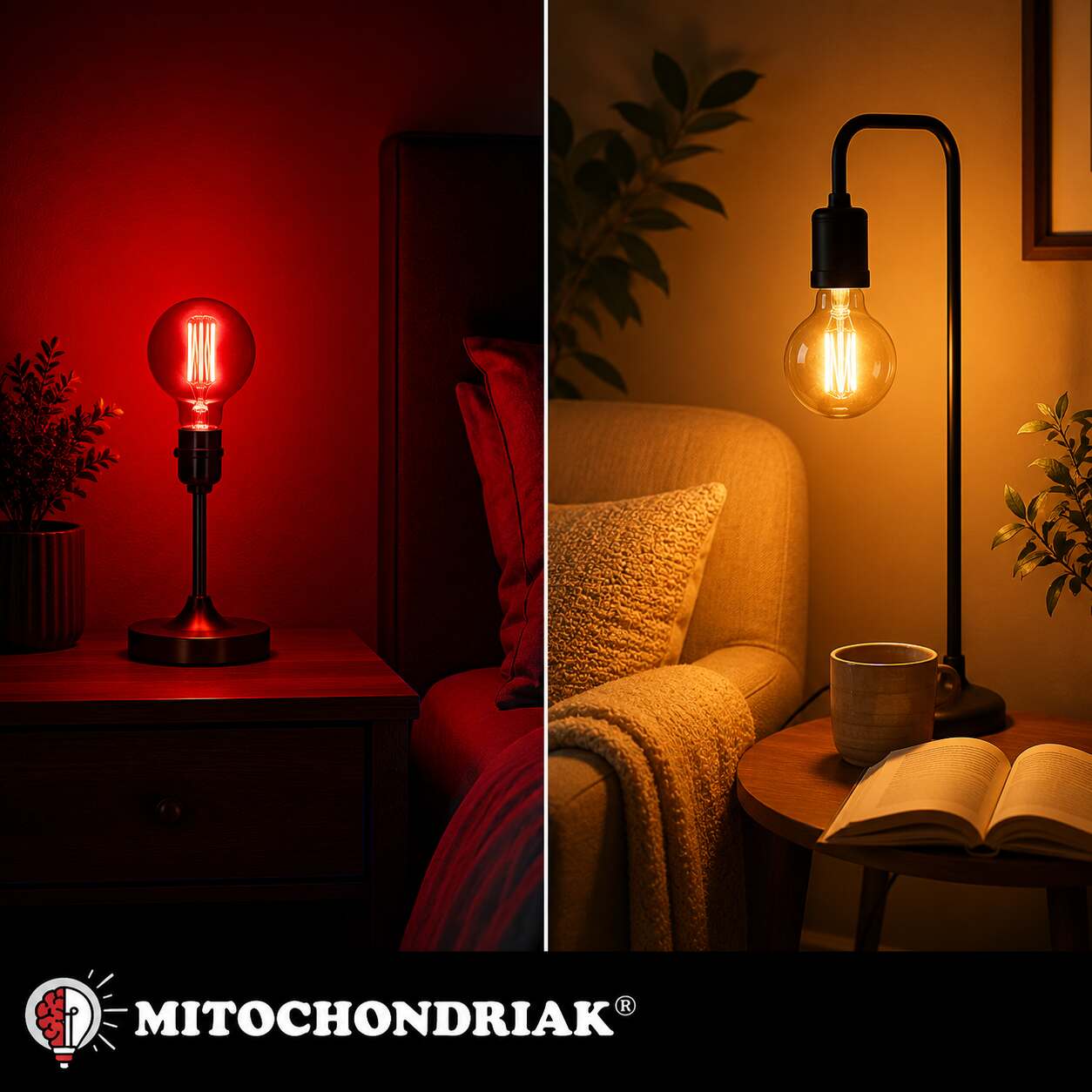
The best blue light blocking glasses for evening are glasses with amber or red tinted lenses that filter out the short blue (and ideally green) wavelengths dominating screens and household LEDs. They matter because these wavelengths are the strongest signal that tells your brain it is still daytime, which delays melatonin and pushes your sleep later.
Your eyes contain specialized cells that are far more sensitive to blue light than to any other color. In nature, bright blue light appeared only during the day, while sunset shifted toward warm reds and oranges. Modern life reversed this: we flood our evenings with artificial blue light from phones, laptops, televisions and cool white bulbs, long after the sun has set.
This is exactly the problem that evening blue light blockers are designed to solve. Instead of asking you to give up screens or sit in the dark, a good pair of glasses simply removes the biologically disruptive part of the spectrum from whatever light reaches your eyes. That is why they have become a cornerstone tool for anyone serious about sleep quality and a healthy circadian rhythm.
Not all glasses are equal, though. Many products marketed as "blue light glasses" have almost clear or very pale lenses designed for daytime screen comfort, and they block only a small fraction of blue light. For the evening, you need lenses that go further. If you want the full background on how this connects to melatonin and your body clock, our complete guide to blue light blocking glasses and better sleep explains the underlying science in depth.
How does the best blue light blocking glasses for evening work according to research?
Evening blue light blocking glasses work by physically filtering the wavelengths (roughly 400 to 500 nm blue, and often into the green range) before they reach the retina. Research shows that reducing this light in the hours before bed helps preserve natural melatonin release, which is the hormone that signals your body it is time to sleep.
The core mechanism is well documented. A widely cited study led by Joshua J. Gooley at Harvard Medical School found that exposure to ordinary room light before bedtime suppressed melatonin onset and shortened the duration of melatonin production in healthy adults [R]. In other words, even the light levels most of us consider "normal" in the evening are enough to interfere with the sleep hormone.
Blue wavelengths are the main culprit. Work by Mariana G. Figueiro at the Lighting Research Center has repeatedly shown that blue-enriched light in the evening has a disproportionate effect on the circadian system and on subjective alertness, keeping the brain in a more wakeful state [R]. This is precisely the light that amber and red lenses are built to remove.
Importantly, blocking blue light is not just theory, it changes sleep outcomes. In a randomized study, insomnia patients who wore amber lenses before bed reported improved sleep quality and fell asleep faster compared to a control group wearing clear lenses [R]. The glasses themselves changed nothing about the patients' screens or bedrooms, only the light reaching their eyes.
This is where lens color becomes a decisive factor. The percentage of light a lens filters depends directly on its tint:
- Amber lenses block most blue light and are a solid choice for general evening use, a few hours before bed.
- Red lenses go a step further and block blue and green light, which makes them the most complete option for the final wind-down window right before sleep.
- Clear or pale yellow lenses filter only a small share of blue light and are meant for daytime screen comfort, not for protecting melatonin at night.
The American Academy of Ophthalmology takes a measured stance here: it notes that blue light from screens is unlikely to cause permanent eye damage, but acknowledges that light exposure in the evening can affect sleep timing [R]. That distinction is useful. The strongest, best-supported reason to wear these glasses in the evening is not eye protection, it is protecting your sleep and your body clock. For a deeper look at how screens shift your rhythm, see our article on blue light and sleep.
What benefits and limits can you realistically expect?
Realistically, you can expect to fall asleep faster, feel naturally sleepy at a more consistent time, and protect your evening melatonin release. What blue light blocking glasses will not do is fix a chaotic sleep schedule, late caffeine, or a bright bedroom on their own. They are a powerful lever, not a magic switch.
The strongest, best-documented benefit is on sleep timing and quality. When your eyes stop receiving the daytime signal in the evening, your brain can begin its natural wind-down on schedule. People who consistently wear amber or red lenses in the last hours before bed often report an easier transition into sleep and fewer episodes of lying awake feeling "wired but tired."
A second, very practical benefit is reduced evening eye strain. Cutting glare and harsh blue-white light from screens can make late reading or scrolling more comfortable, even though this is a secondary effect compared to the sleep advantage. Many users also notice that dim, warm environments simply feel more relaxing once the glasses are on.
It is equally important to be honest about the limits:
- They do not cure insomnia. If an underlying condition is driving poor sleep, glasses help the light side of the equation but cannot replace medical care.
- They do not license unlimited screen time. Late-night stimulation, doomscrolling and stress still affect sleep regardless of lens color.
- Clear "daytime" lenses are not enough at night. If a pair barely changes what you see, it is not filtering the wavelengths that matter most in the evening.
Think of the glasses as one pillar of good evening light hygiene. They pair best with dimmed, warm lighting and a wind-down routine. To see how they fit into the bigger picture, our guide to the circadian rhythm and how to optimize it puts these habits into context. Used this way, the best blue light blocking glasses for evening use become a small daily action with an outsized effect on rest.
How do you use blue light blocking glasses safely in practice?
In practice, put your evening glasses on about 2 to 3 hours before bed and keep them on until you switch off the lights. Choose the lens color to match the situation: amber for the earlier evening, red for the final wind-down window closest to sleep. There is no safety risk to wearing them, so the main goal is consistency.
Here is a simple, repeatable evening protocol:
- Set a trigger time. Decide on a fixed "glasses on" moment, for example 2 to 3 hours before your target bedtime, and treat it like brushing your teeth.
- Match the lens to the window. Use amber lenses during general evening activities and switch to red lenses in the last hour when you want the deepest blue and green blocking.
- Keep them on around all light sources. Screens matter, but so do bright ceiling lights and cool white bulbs. Wear the glasses whenever you are exposed to artificial light in the evening.
- Stack with dim, warm lighting. Glasses work best alongside low, warm light rather than instead of it. Combining both gives your body the clearest "night" signal.
When choosing your pair, a short buying checklist keeps the decision simple:
- Filtration first. For the evening, prioritize lenses that block a high percentage of blue light, and green light too if you want maximum effect close to sleep. This is the single most important criterion.
- Comfort and fit. If glasses pinch or slide, you will not wear them. Look for a frame style that sits comfortably for several hours.
- Build quality. Solid hinges and durable lenses mean the glasses survive nightly use over the long term.
- The right pair per person. Adults and children have different frame sizes and needs, so match the model to the wearer.
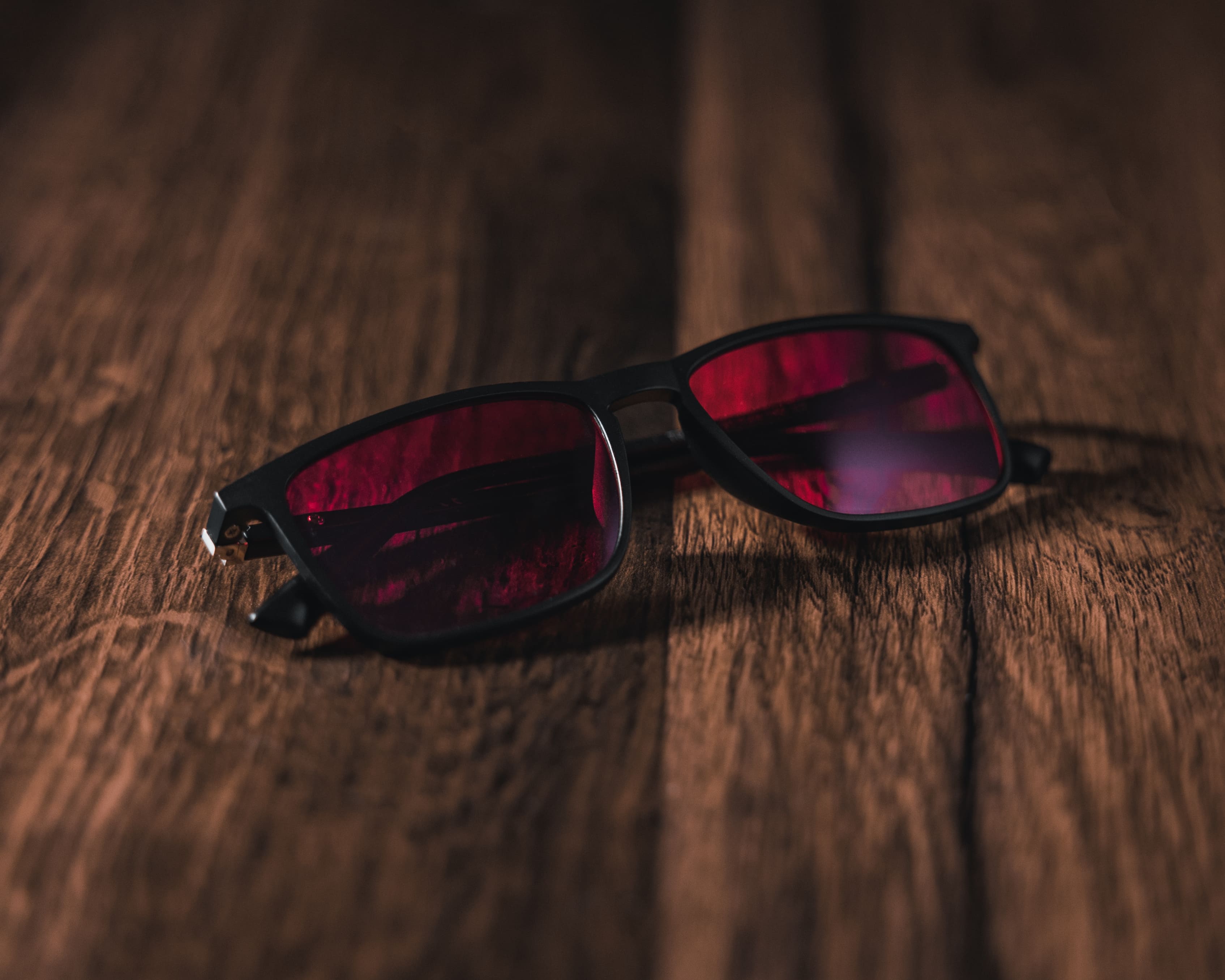
This is exactly where the Blue light blocking glasses Mitochondriak® are built for the evening rather than for daytime screen comfort. They use tinted lenses designed to block blue and green light for genuine melatonin protection, and there is a dedicated Kids Blue light blocking glasses Mitochondriak® version so the whole family can protect their sleep with the correct fit.
Protect your evening melatonin with the right pair
If you want an easy first step toward deeper sleep, evening glasses that truly block blue and green light are one of the highest-impact tools you can add tonight. They work whether you are reading, watching TV or finishing work on a screen.
What should you watch out for and who should be careful?
Watch out for glasses with nearly clear lenses sold as "evening" blockers, since they filter very little blue light. Most people can wear proper evening glasses safely, but drivers should never wear amber or red lenses at night, and anyone with an eye condition should check with their optometrist first.
The most common mistake is buying by marketing rather than by lens tint. A lens that looks almost transparent cannot physically remove the blue and green wavelengths that suppress melatonin. If protecting sleep is your goal, a visibly amber or red lens is the honest signal that real filtering is happening.
A few practical cautions are worth remembering:
- Do not drive with amber or red lenses at night. They alter color perception and reduce how well you see traffic signals and hazards. Save them for at home use only.
- Colors will look shifted. Red lenses in particular change how screens and rooms appear, which is normal and expected, but not ideal for color-critical tasks.
- Existing eye conditions need professional input. If you have any diagnosed vision problem, confirm with your eye care specialist before adding evening filtering as a habit.
- Children need the right size and honest expectations. Kids benefit too, but they need a proper fit and supervision, not a replacement for reasonable evening screen limits.
Finally, remember that glasses are one part of evening light hygiene. Pairing them with warm, dim lighting and a consistent routine is what produces the strongest, most reliable results.
Summary: what should you remember?
The best blue light blocking glasses for evening use are defined by one thing above all: how much blue and, ideally, green light they actually block. Amber lenses are a strong choice for general evening wear, while red lenses give the most complete filtering for the final hour before sleep. Clear "daytime" lenses simply are not built for protecting melatonin at night, no matter how they are marketed.
The science is consistent. Ordinary evening light suppresses melatonin, blue wavelengths carry most of the disruptive signal, and removing that light with the right lenses has been shown to help people fall asleep faster and sleep better. Put your glasses on 2 to 3 hours before bed, keep them on around every artificial light source, and combine them with dim, warm lighting for the clearest possible "night" signal to your brain. Used consistently, they are one of the simplest and highest-impact habits you can add to your evening routine.
Frequently asked questions
Do blue light blocking glasses really help you sleep?
Yes, when they genuinely filter blue light in the evening. Research shows that light before bed suppresses melatonin, and randomized studies found that wearing amber lenses before sleep improved sleep quality and helped people fall asleep faster compared to clear lenses, without changing anything else about their environment.
What color lens is best for evening blue light glasses?
Amber lenses are excellent for general evening use because they block most blue light. Red lenses are the most complete option for the final wind-down window before sleep, because they block both blue and green light. Clear or pale yellow lenses filter very little and are meant for daytime screen comfort, not for protecting melatonin at night.
When should I put on my blue light blocking glasses in the evening?
Put them on about 2 to 3 hours before your target bedtime and keep them on until you turn off the lights. This covers the crucial window when your brain is preparing to release melatonin. Consistency matters more than perfection, so try to make it a fixed part of your evening routine.
Can I wear blue light blocking glasses while driving at night?
No. Amber and red lenses alter color perception and reduce how clearly you can see traffic signals and hazards in the dark. You should only wear evening blue light glasses at home. Never use tinted evening lenses while driving after dark.
How do I choose the best blue light blocking glasses for evening use?
Prioritize filtration first: choose lenses that block a high percentage of blue light, and green light too if you want maximum effect close to sleep. Then check comfort and fit, since you will wear them for hours, followed by build quality. Finally, match the model to the wearer, as adults and children need different sizes.
Are blue light blocking glasses safe for children in the evening?
Yes, with the right fit and sensible expectations. Children are also sensitive to evening blue light, so a dedicated kids version with proper sizing can help protect their sleep. However, glasses should support, not replace, reasonable evening screen limits and a calm bedtime routine.
Sources and references
- Lisa O. Esaki. 2010. Blocking blue light with amber lenses improves sleep quality and reduces sleep latency in insomnia patients pubmed.ncbi.nlm.nih.gov
- Joshua J. Gooley. 2011. Exposure to Room Light before Bedtime Suppresses Melatonin Onset and Shortens Melatonin Duration in Humans pmc.ncbi.nlm.nih.gov
- Mariana G. Figueiro. 2017. The effects of blue light on the circadian rhythm and sleep pmc.ncbi.nlm.nih.gov
- American Academy of Ophthalmology. 2023. American Academy of Ophthalmology - What is Blue Light? aao.org