
.png)
Winter steals your sunlight, but it does not have to steal your vitamin D. Between October and March, most people living above 37° latitude produce almost zero vitamin D from the sun, no matter how long they stay outside. The good news? A UVB panel can recreate the exact wavelengths your skin needs, right in your living room.
- Why the sun cannot make vitamin D for you between October and March in most of Europe and North America.
- How a UVB panel mimics summer sunlight to trigger natural vitamin D synthesis in your skin.
- The realistic difference between food, supplements and UVB light as winter vitamin D sources.
- How to use a UVB device safely at home, including who should be extra careful.
- Why the Mitochondriak® Maxi UVB panel is built specifically for indoor vitamin D production.
- What is how to get vitamin D in winter without sun and why does it matter?
- How does how to get vitamin D in winter without sun work according to research?
- What benefits and limits can you realistically expect?
- How do you use how to get vitamin D in winter without sun safely in practice?
- What should you watch out for and who should be careful?
- Summary: what should you remember?
- Frequently asked questions
What is how to get vitamin D in winter without sun and why does it matter?
Getting vitamin D in winter without sun means using alternative UVB light sources, food and targeted supplementation to keep your blood levels in a healthy range when natural sunlight cannot do the job. This matters because vitamin D is not just a nutrient, it is a hormone-like signal your body uses for immunity, bone strength, mood and cellular energy production.
The core problem is geographical and seasonal. During summer, the sun sits high enough in the sky for UVB rays to reach the ground and hit your skin. In winter, the sun stays low on the horizon, so those UVB rays get filtered out by the atmosphere before they ever touch you. Research by Michael F. Holick at Boston University confirmed that between roughly November and February, people above 37° latitude produce little to no vitamin D from sunlight, even at midday.
Most of Europe and the northern United States sit well above that line. Add short daylight hours, thick clothing, cloud cover and the fact that we spend most of winter indoors, and you have a perfect recipe for a vitamin D deficiency that peaks every spring. That is why understanding your winter options is not a luxury for biohackers; it is a practical health decision that affects how you feel, sleep and fight off seasonal infections.
There are three realistic paths: eating more natural vitamin D sources like fatty fish, taking supplements, or using a UVB panel that recreates the exact light your skin would receive on a summer day. Each has a role, and this guide will show you how they compare and how to combine them.
How does how to get vitamin D in winter without sun work according to research?
According to research, your skin manufactures vitamin D when UVB light in the 290 to 315 nm range strikes a cholesterol precursor called 7-dehydrocholesterol. Food and supplements bypass this step by delivering vitamin D directly to your gut, while a UVB panel replicates the natural skin-based process indoors. Both routes end up raising your blood levels, but they work very differently.
The natural pathway is elegant. When the right ultraviolet wavelength hits your skin, it converts that cholesterol precursor into previtamin D3, which then becomes active vitamin D your liver and kidneys can use. This is exactly why summer sun works and winter sun does not: it is entirely about whether UVB photons can reach your skin. Holick's landmark 1999 work on season and latitude showed that the same skin exposed at the same time of day produces vitamin D in June but essentially nothing in January at northern latitudes.
This is where UVB panels enter the picture. A study published in 2016 by van der Rhee and colleagues demonstrated that artificial UVB light reliably stimulates vitamin D synthesis in healthy volunteers, producing measurable increases in blood levels. In practical terms, a device emitting the correct narrow band of UVB does the same job as summer sunlight, just on demand, in your home, in the middle of December.
Supplements take a completely different route. When you swallow a vitamin D capsule, you skip the skin entirely and absorb it through your digestive tract. This works, and the Endocrine Society Clinical Practice Guideline (Holick et al., 2011) provides clear dosing recommendations for people who are deficient. However, oral supplementation gives you only the vitamin D molecule itself. Natural UVB exposure produces vitamin D alongside other photoproducts and skin responses that a single isolated molecule cannot replicate.
This is a key reason many people who follow a light-first philosophy prefer to recreate the natural process rather than rely solely on a tablet. A well-designed UVB panel gives your skin the same trigger it evolved to respond to, which is why it sits at the center of any serious winter vitamin D strategy. In the next sections we will look at exactly what results you can expect and how to use one safely.
What benefits and limits can you realistically expect?
Realistically, you can expect a well-used UVB panel to raise and maintain healthy vitamin D levels through winter, support immune function, and improve seasonal mood and energy. What you should not expect is an instant fix, unlimited exposure, or the ability to skip basic safety rules. Light therapy works with your biology, not against it, so results build over weeks.
The strongest benefit is that a UVB panel recreates the natural skin-based pathway instead of bypassing it. Your skin makes vitamin D at a self-limiting rate, which is one reason natural UVB exposure rarely causes the toxicity that excessive oral dosing can. According to the Endocrine Society Clinical Practice Guideline (Holick et al., 2011), maintaining sufficient vitamin D status supports bone metabolism, muscle function and immune defense, all of which tend to weaken during the darker months.
Vitamin D also behaves more like a hormone than a simple vitamin. Adequate levels are linked to better immune resilience, which is why deficiency is so common right before the spring cold-and-flu peak. If you have ever felt run down, low and prone to catching everything by February, chronically low winter vitamin D is a plausible contributor. A consistent UVB routine addresses the root cause rather than just the symptoms.
Now the limits. A UVB panel is not a tanning bed and not a shortcut. It will not compensate for a poor diet, chronic sleep deprivation or a sedentary indoor lifestyle. Skin type matters too: people with darker skin need more UVB exposure to produce the same amount of vitamin D, while very fair skin reaches its limit faster. And crucially, more is not better. Once your skin has produced its daily quota, extra exposure only raises the risk of burning without adding benefit.
The honest takeaway is that a UVB panel is the closest indoor equivalent to summer sun, but it demands the same respect. Used correctly, it is a powerful, natural winter tool. Used carelessly, it is just an ultraviolet source. The difference is entirely in the protocol, which is exactly what the next section covers.
How do you use how to get vitamin D in winter without sun safely in practice?
In practice, you use a UVB panel for short, controlled sessions on bare skin, following the exact distance and duration recommended for your specific device. The goal is to mimic a brief summer sun exposure, not to bake yourself. Start conservatively, expose a reasonable area of skin, protect your eyes, and build up slowly as your skin adapts.
The single most important rule is to follow the manufacturer's protocol for the exact model you own. For the Mitochondriak® Maxi UVB Upgraded panel, the recommended session length, distance and frequency are listed on the official product page, and you should always start with the shortest suggested time. UVB is potent precisely because it is the same wavelength that makes vitamin D outdoors, so a few minutes goes a long way.
Here is a sensible framework for building a winter routine:
- Expose bare skin. Vitamin D synthesis only happens where UVB actually reaches skin, so arms, back, chest and legs are far more effective than hands and face alone.
- Keep sessions short. Begin with the minimum time recommended for the Maxi UVB, then increase gradually only if your skin tolerates it without redness.
- Protect your eyes. Always use suitable protection and never look directly into the UV light source.
- Be consistent, not excessive. A few well-spaced sessions per week are more effective and safer than one long marathon session.
- Do not shower with harsh soap immediately after. Give your skin time so the vitamin D conversion process can complete.
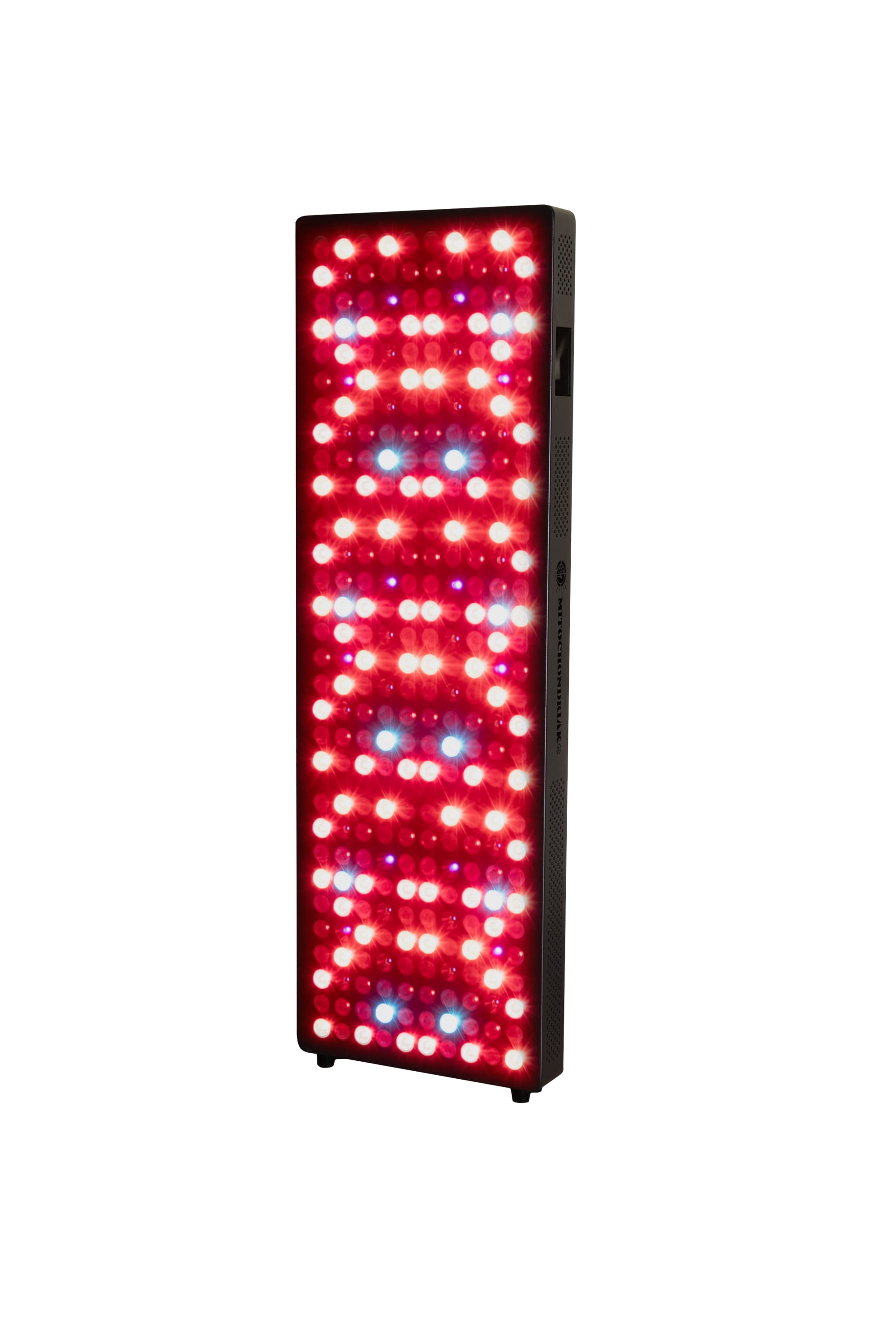
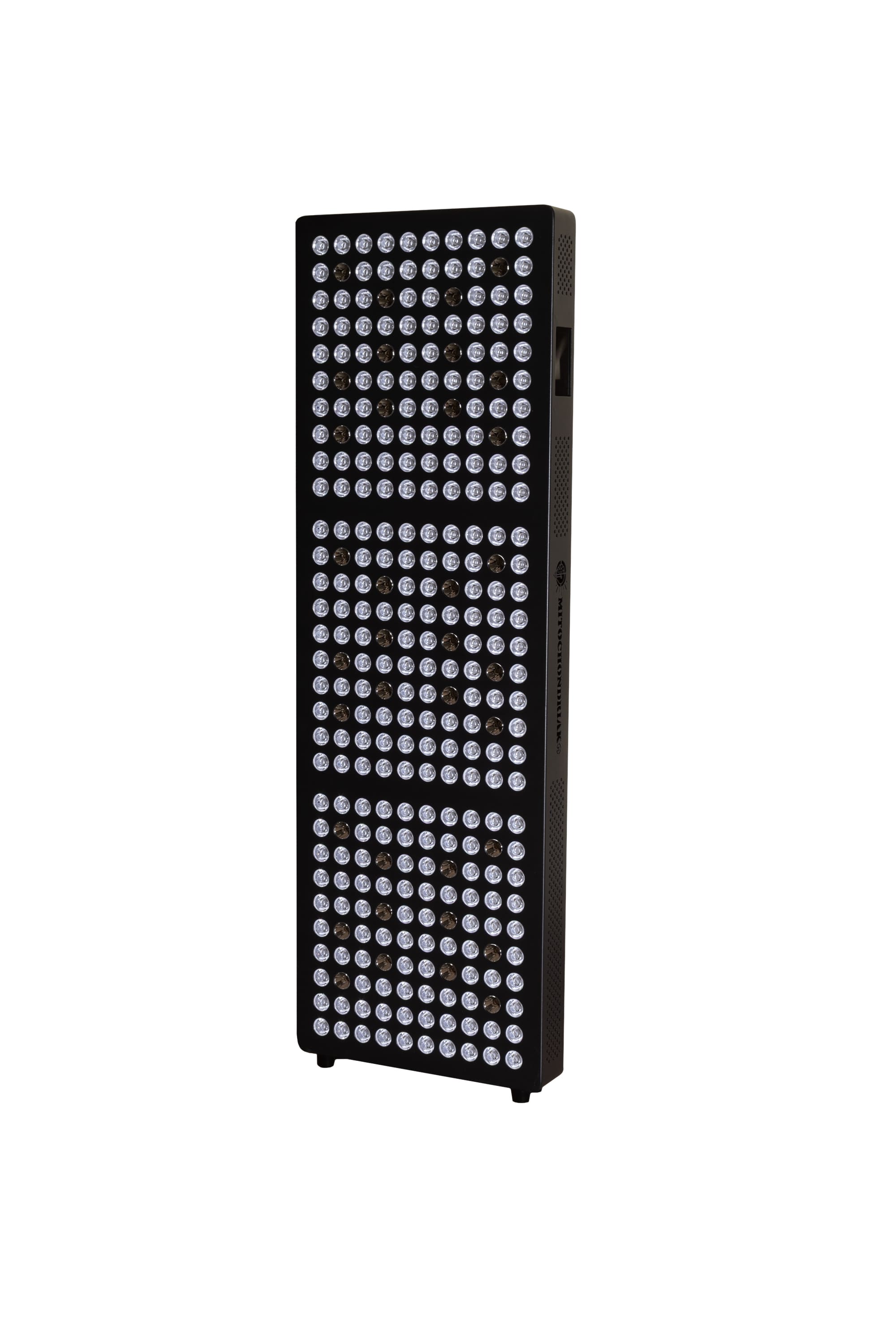
The Mitochondriak® Maxi UVB is designed specifically for this indoor use case. Alongside its UVB output for vitamin D, it delivers red and near-infrared wavelengths, which is why many people integrate it into a broader light-based winter routine. If you want the full science of natural production, our detailed guide on how to create vitamin D naturally with the Maxi UVB panel walks through the mechanism step by step.
It is also worth pairing UVB use with the same common-sense habits you would use for summer sun. Our complete guide on how to use UV light from infrared panels safely and effectively covers dosing logic in more depth. And because winter health is about more than one nutrient, combining light therapy with good sleep and immune support, as we explain in how to boost immunity in winter without medications, gives you the best overall result.
Bring summer sunlight indoors this winter
The Mitochondriak® Maxi UVB Upgraded panel recreates the exact UVB wavelengths your skin uses to make vitamin D naturally, plus red and near-infrared light for whole-body support. It is built for safe, on-demand vitamin D production in your own home, no matter how grey the sky is.
What should you watch out for and who should be careful?
You should watch out for overexposure, skipping eye protection, and treating UVB light as risk-free. Certain people should be especially careful or consult a doctor first: those with a history of skin cancer, photosensitive conditions, or who take medications that increase light sensitivity. UVB is a powerful biological tool, and respecting its limits is what keeps it safe.
The most common mistake is doing too much too soon. Because a UVB panel does not feel hot like a sauna, it is easy to underestimate the dose. The warning sign is simple: if your skin turns pink or red after a session, you have exceeded your limit and should reduce the time. Sunburn is a sign of skin damage, not extra vitamin D, and the body simply cannot make vitamin D faster than its natural ceiling.
People who should take extra care or speak to a healthcare professional before starting include:
- Anyone with a personal or family history of skin cancer or precancerous lesions.
- People with photosensitivity disorders such as lupus or certain autoimmune conditions.
- Those taking photosensitizing medications, including some antibiotics, diuretics and retinoids.
- Pregnant women, who should confirm any new light therapy protocol with their doctor.
- People with very fair skin, who reach their vitamin D ceiling much faster and burn more easily.
Finally, do not rely on light alone if you are severely deficient. If blood tests show very low levels, the Endocrine Society guidance recommends a structured correction plan, which may include supplementation under medical supervision. A UVB panel is excellent for ongoing, natural maintenance, but a diagnosed deficiency is a medical matter worth checking with your physician.
Summary: what should you remember?
The bottom line is that winter does not have to mean a vitamin D drought. Between October and March, natural sunlight above 37° latitude simply cannot deliver the UVB your skin needs, so you have to be intentional about your sources. Food helps a little, supplements deliver the molecule directly, but a UVB panel is the only option that recreates the natural, skin-based process your body evolved to use.
The research is consistent: your skin needs UVB in the 290 to 315 nm range to make vitamin D, and artificial UVB light reliably triggers that same synthesis. The key is using it wisely. Keep sessions short, expose bare skin, protect your eyes, build up slowly and stay consistent rather than excessive. If you have any high-risk factors or a diagnosed deficiency, involve your doctor and treat supplementation as a legitimate part of the plan.
Used correctly, a device like the Mitochondriak® Maxi UVB turns a dark winter living room into a place where your skin can still do what it does best. Combined with good sleep, sensible nutrition and a healthy circadian rhythm, it is one of the most practical ways to protect your energy, mood and immunity through the darkest months of the year.
Frequently asked questions
Can you really get enough vitamin D in winter without any sun?
Yes. While you cannot rely on winter sunlight above 37° latitude, you can maintain healthy vitamin D levels through a combination of natural food sources, targeted supplementation and a UVB panel that recreates summer sun wavelengths indoors. A UVB device is the closest option to natural production because it uses the same skin-based pathway rather than bypassing it.
How is a UVB panel different from a regular red light therapy panel?
A standard red light therapy panel emits red and near-infrared wavelengths, which support cellular energy and recovery but do not produce vitamin D. A UVB panel additionally emits ultraviolet B light in the 290 to 315 nm range, which is the specific wavelength your skin needs to synthesize vitamin D. The Mitochondriak® Maxi UVB combines both, so you get vitamin D production alongside red and near-infrared benefits.
Are supplements not just easier than using a UVB panel?
Supplements are convenient and effective for raising blood levels, and they are the right choice for correcting a diagnosed deficiency. However, they deliver only the isolated vitamin D molecule and skip the skin entirely. Natural UVB exposure produces vitamin D through the same self-limiting process as sunlight, which many people prefer as a light-first approach to year-round health.
How often should I use a UVB panel in winter?
Always follow the specific protocol on your device's product page and start with the shortest recommended session. In general, a few well-spaced sessions per week on bare skin are safer and more effective than long, infrequent ones. If your skin turns pink, reduce the time. Consistency over several weeks is what maintains healthy winter vitamin D levels, not intensity.
Sources and references
- Michael F. Holick. 1999. The impact of season and latitude on the cutaneous synthesis of vitamin D3 pubmed.ncbi.nlm.nih.gov
- M. J. W. van der Rhee. 2016. The effect of artificial ultraviolet B light on vitamin D production in healthy volunteers pubmed.ncbi.nlm.nih.gov
- Michael F. Holick. 2007. Vitamin D Deficiency: A Global Perspective pmc.ncbi.nlm.nih.gov
- Michael F. Holick. 2011. Evaluation, Treatment, and Prevention of Vitamin D Deficiency: An Endocrine Society Clinical Practice Guideline academic.oup.com