
.png)
Red light therapy panels come in dozens of shapes, sizes and price tags, making it genuinely hard to tell which device will actually deliver results. This guide breaks down the key specifications you need to compare, from wavelengths and irradiance to build quality and safety, so you can choose the best red light therapy device for your goals without overpaying or underperforming.
- Which wavelengths matter and why multi-wavelength panels outperform single-wavelength devices
- How to read irradiance specs and what the numbers actually mean at the surface of your skin
- Key quality and safety checks: EMF, flicker, third-party testing and build quality
- How to match panel size to your therapy goals, from targeted face sessions to full-body coverage
- How Mitochondriak® panels compare on these criteria
Jump to section:
- What makes a good red light therapy panel
- How to choose the right panel size for your goals
- Safety and quality checklist before you buy
- How Mitochondriak® panels compare
- Frequently asked questions
What Makes a Good Red Light Therapy Panel?
A good red light therapy panel combines clinically relevant wavelengths, sufficient irradiance to deliver a therapeutic dose in a reasonable time, and transparent safety specs you can verify. Price alone tells you very little. Two panels at the same price point can differ dramatically in the light they actually put out and in what reaches your tissue. The sections below break each of these factors down so you know exactly what to look for.
Wavelengths: Why Multi-Wavelength Panels Outperform Single-Wavelength Devices
Wavelength is the single most important variable in any red light therapy device, because it determines how deep the light penetrates and which biological mechanisms it activates. Red wavelengths in the 630 to 670 nm range are absorbed primarily in the skin and superficial tissue, making them effective for collagen stimulation, wound healing and inflammatory skin conditions. Near-infrared (NIR) wavelengths such as 810, 830, 850 and 940 nm penetrate deeper, reaching muscles, joints, nerves and even bone, which is why they are used for recovery, pain relief and systemic mitochondrial support [R].
Single-wavelength devices limit you to one depth of penetration. A panel that emits only 660 nm red light will work on the surface but cannot reach the deep tissue benefits of NIR. Multi-wavelength panels solve this by combining several wavelengths in one device so that a single session addresses both surface-level and deep-tissue targets simultaneously.
When comparing specs, check whether the panel lists exact peak wavelengths measured with a spectrometer rather than just marketing labels like "red" or "infrared." A well-designed multi-wavelength panel, such as the Mitochondriak® Maxi Upgraded, uses 7 distinct wavelengths (630, 670, 760, 810, 830, 850 and 940 nm) to cover the full therapeutic window. The inclusion of 760 nm and 940 nm is noteworthy because most competing panels skip these bands entirely, leaving gaps in the penetration spectrum.
Irradiance: How Much Power Actually Reaches Your Skin
Irradiance measures the optical power density that lands on a given area of your skin, expressed in milliwatts per square centimetre (mW/cm²). It matters because photobiomodulation follows a dose-response curve: too little light does nothing, the right dose activates cytochrome c oxidase and boosts ATP production, and excessive intensity can inhibit the very processes you are trying to stimulate [R].
Most published photobiomodulation studies use irradiance values between 10 and 100 mW/cm² at the skin surface, with session times of 10 to 20 minutes to achieve a total dose (fluence) of roughly 4 to 60 J/cm². A panel that delivers less than 10 mW/cm² at a practical distance (15 to 30 cm) will require impractically long sessions to reach a therapeutic dose.
Watch out for inflated claims. Some manufacturers quote irradiance measured with a solarmeter pressed directly against the LED surface, a number that has no clinical relevance because no one uses a panel at zero distance. Always look for the irradiance at 15 to 30 cm, ideally verified by an independent spectrometer reading. For reference, the Mitochondriak® Maxi Upgraded delivers over 110 mW/cm² (solarmeter) and over 60 mW/cm² (spectrometer) at 30 cm, which means a 10 to 15 minute session comfortably reaches the dose ranges used in clinical research [R].
A useful rule of thumb: calculate the fluence you will receive per session.
Fluence (J/cm²) = irradiance (mW/cm²) x time (seconds) / 1000
If a panel delivers 60 mW/cm² and you use it for 15 minutes (900 seconds), the fluence is 54 J/cm², well within the therapeutic range for deep-tissue applications.
How to Choose the Right Panel Size for Your Goals
Panel size determines how much of your body receives light in a single session, and matching the panel to your primary therapy goal is one of the most practical decisions you can make. A panel that is too small for full-body work forces you into multiple repositioning sessions, while an oversized panel for targeted face therapy wastes money and space. The key is to start with your most common use case and scale from there.
Targeted Panels for Face, Joints and Desk Use
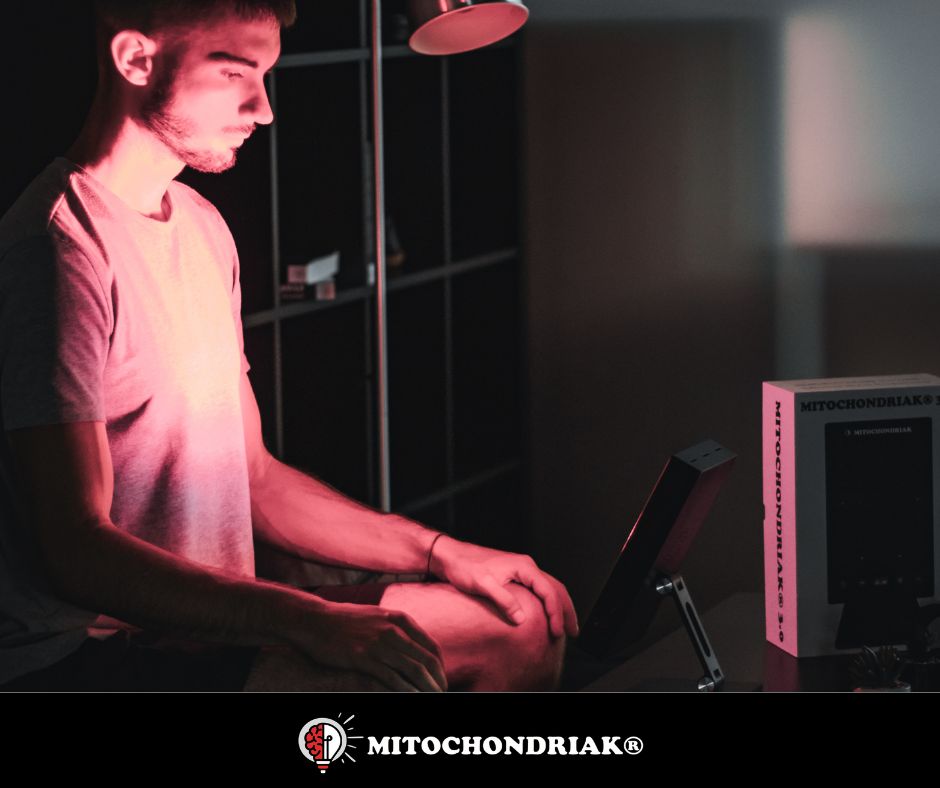
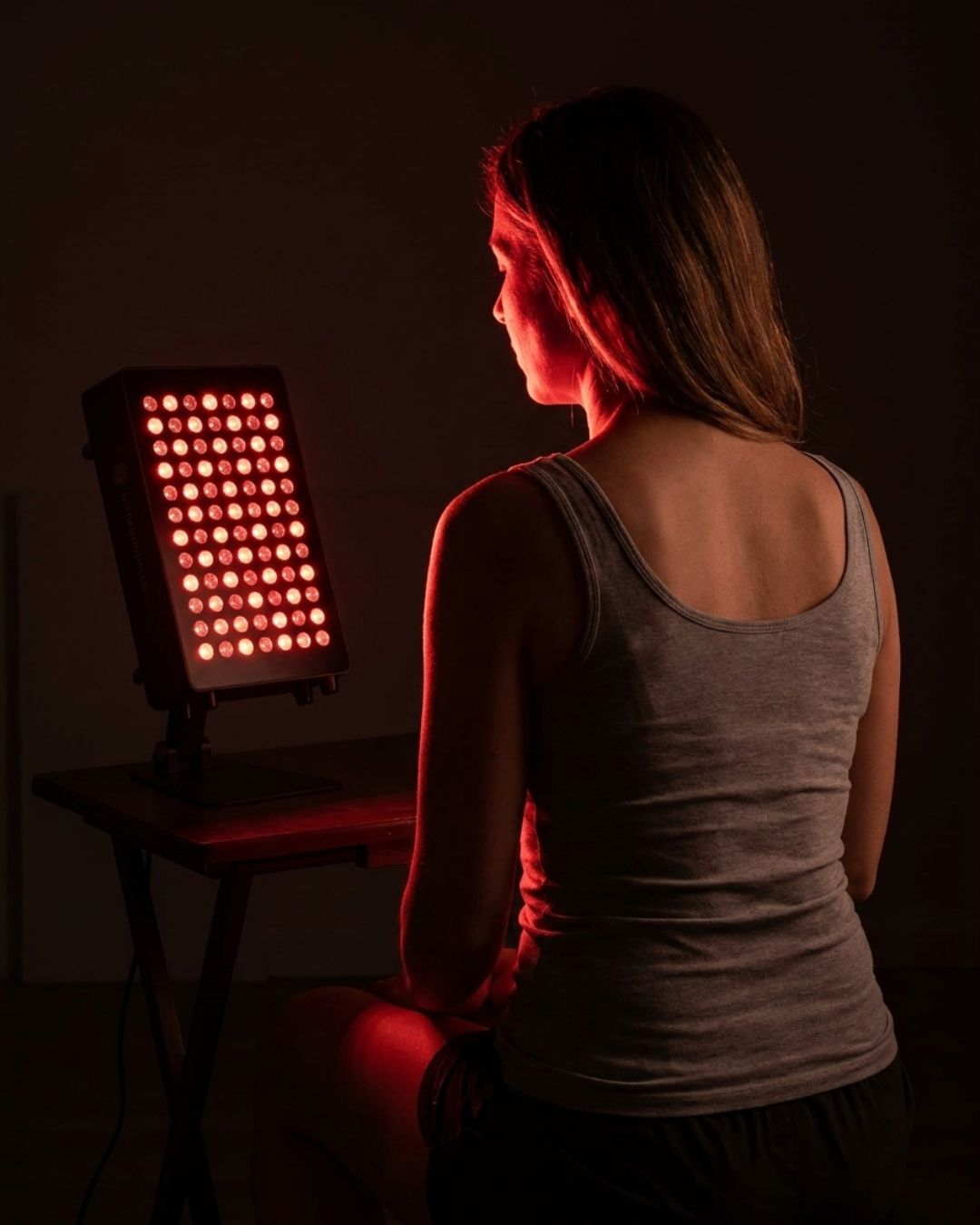
If your main goal is facial skincare, joint recovery or desk-level therapy, a compact panel with a treatment area of roughly 15 to 30 cm width is ideal. These devices sit comfortably on a desk or tabletop stand and deliver focused irradiance to a specific area. A session typically covers the face, a single knee, a shoulder or both hands at once.
Compact panels work well for collagen stimulation, localised pain relief and morning light exposure while working. Because the LED array is concentrated, the irradiance per square centimetre can be high even with fewer total LEDs, so the dose builds quickly within 10 to 15 minutes.
When shopping for a targeted panel, check that it still offers multi-wavelength output rather than only visible red. Even for face therapy, a combination of 630 nm for the skin surface and 830 or 850 nm for deeper tissue (fascia, muscles under the jaw, sinuses) will deliver a more comprehensive result.
Half-Body and Full-Body Panels for Whole-Body Therapy
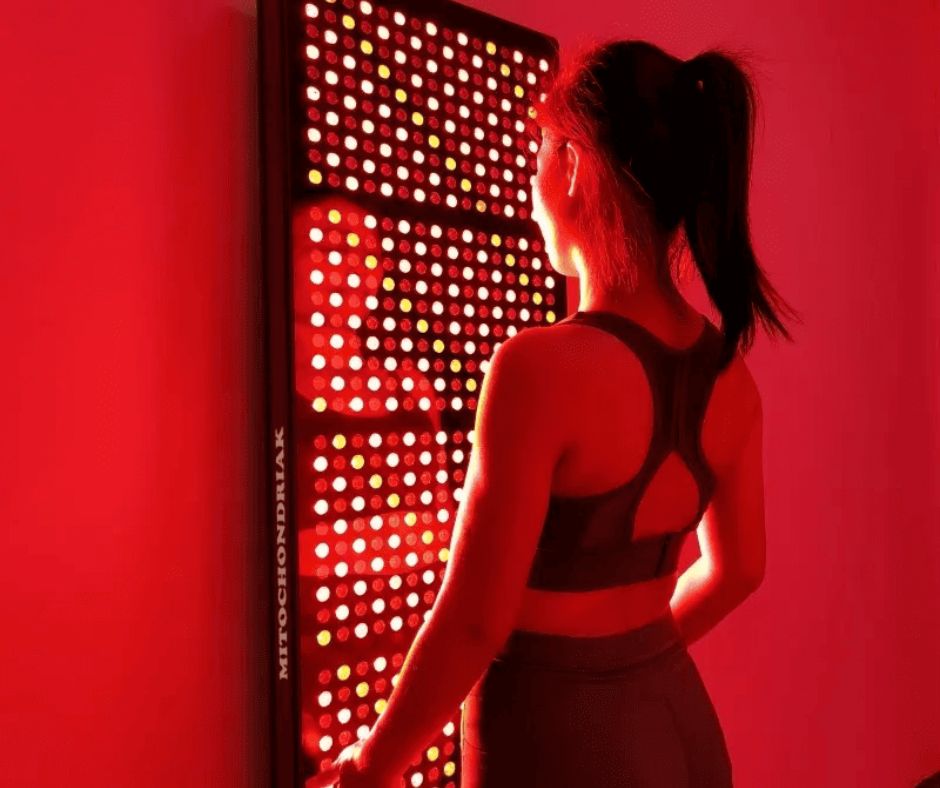
Half-body panels typically measure around 90 cm tall and cover from head to hips (or hips to feet) in a single position. This size is the practical sweet spot for most home users: large enough for meaningful systemic therapy, compact enough to hang on a door or mount on a floor stand, and powerful enough to deliver a therapeutic dose in 10 to 20 minutes per side.
For true full-body coverage in a single position, you can pair two half-body panels into a tower configuration. This eliminates the need to rotate mid-session, cutting total therapy time roughly in half. The Mitochondriak® Maxi Upgraded, for example, is designed to pair into an ULTRA setup for head-to-toe coverage.
Ask yourself these questions before choosing a size:
- Will you primarily treat a specific area (face, knee, shoulder) or your whole body?
- Do you have wall or door space to mount a taller panel?
- Is portability important, for example between rooms or for travel?
- Would you eventually upgrade to a two-panel setup?
If whole-body therapy is your main goal, investing in a half-body panel from the start is more cost effective than buying a small panel and upgrading later.
Safety and Quality Checklist Before You Buy
A safe red light therapy panel should produce zero harmful emissions at the recommended usage distance, and verifying this before purchase protects both your health and your investment. Two specifications matter above all others: electromagnetic field (EMF) output and flicker. Both are measurable, and any reputable manufacturer will publish the data or allow you to test independently.
EMF Emissions, Flicker Rate and Third-Party Testing
EMF (electromagnetic field) emissions at close range are a concern with any high-power LED device. Some cheaper panels produce measurable EMF because of poorly shielded drivers or inadequate wiring. Look for panels that specify near-zero EMF at 15 to 30 cm, the distance at which you will actually use the device. A solarmeter reading at surface contact is not relevant for EMF safety.
Flicker refers to rapid oscillations in light output that your eyes may not consciously see but that can cause headaches, eye strain and fatigue during longer sessions. Quality panels use constant-current LED drivers or reduced-flicker technology that eliminates visible and sub-visible pulsing. If a manufacturer does not mention flicker, ask for the flicker percentage or frequency data.
Third-party testing adds another layer of confidence. Independent spectrometer readings confirm that the wavelengths the panel emits actually match the advertised peaks. Any gap between the marketing claim and the measured spectrum is a red flag. Mitochondriak® panels, for instance, publish both solarmeter and spectrometer irradiance figures measured at 30 cm, giving you a realistic picture of the dose you will receive per session.
Warranty, Build Quality and Customer Support
A red light therapy panel is a long-term investment, so warranty length and responsive customer support are practical indicators of how much a manufacturer trusts its own product. Look for at least a 2-year warranty on LEDs and electronics, and check whether the company offers direct support in your language and time zone.
Build quality shows up in details: aluminium housing dissipates heat better than plastic, a solid hanging kit or floor stand prevents accidents, and clearly labelled controls (physical buttons or a touchscreen) make daily use simpler. Heavier panels tend to have better heat sinks, which extends LED lifespan.
How Mitochondriak® Panels Compare
Mitochondriak® panels are designed to meet every criterion listed above, from multi-wavelength coverage and high irradiance to zero flicker and minimal EMF. The flagship Mitochondriak® Maxi Upgraded (from €1,469) packs 300 LEDs across 7 wavelengths (630, 670, 760, 810, 830, 850 and 940 nm) into a 90 x 30 cm panel that weighs 11 kg and mounts easily on a door or floor stand.
Key features that set it apart from competitors:
- 7 wavelengths including 760 nm and 940 nm, which most brands skip entirely
- Over 110 mW/cm² (solarmeter) and over 60 mW/cm² (spectrometer) at 30 cm
- Independent RED/NIR control with adjustable intensity (0 to 100%) and pulsation (0 to 10,000 Hz) for each band
- Touchscreen display with preset programmes and a built-in timer
- Zero flicker and no measurable EMF at the recommended distance
- Remote control for starting and stopping sessions from across the room
Whether you choose a single Maxi for half-body sessions or pair two into the ULTRA tower for full-body coverage, the modular design means you can scale your setup as your therapy goals evolve.
Frequently Asked Questions
How long should a red light therapy session last?
Most sessions last between 10 and 20 minutes per treatment area. The exact time depends on the irradiance of your panel and the target dose (fluence). A panel delivering 60 mW/cm² at 30 cm provides roughly 36 to 72 J/cm² in a 10 to 20 minute window, which falls within the therapeutic range used in published photobiomodulation research. Start with 10 minutes and increase gradually as your body adapts.
Can you use red light therapy panels every day?
Yes, daily use is considered safe for most people. The majority of clinical studies use daily or near-daily protocols. For general wellness and recovery, a daily 10 to 15 minute session is a common starting point. If you notice any skin sensitivity or fatigue, reduce frequency to every other day and reassess after a week.
What is the difference between red and near-infrared light?
Red light (typically 630 to 670 nm) is absorbed in the skin and superficial tissue, while near-infrared light (810 to 940 nm) penetrates deeper into muscles, joints and bone. Red wavelengths are effective for skin health, collagen production and wound healing. Near-infrared wavelengths reach deeper structures and support muscle recovery, joint mobility and systemic mitochondrial function. A multi-wavelength panel combines both for surface and deep-tissue benefits in one session.
Do red light therapy panels emit UV light?
Standard red and near-infrared panels do not emit UV light. The LED wavelengths used (typically 630 to 940 nm) are well outside the ultraviolet spectrum (below 400 nm). You do not need eye protection from UV when using these panels, although some people prefer to close their eyes or look away to avoid brightness discomfort during high-intensity sessions.
How far should you sit from a red light therapy panel?
The recommended distance is 15 to 30 cm from the panel surface. At this range, most quality panels deliver an irradiance between 30 and 100 mW/cm², which produces a clinically relevant dose in a practical session time. Sitting closer increases intensity but reduces the treatment area. Sitting further away lowers the dose per unit area, requiring longer sessions to achieve the same fluence.
Sources and References
- Hamblin MR. "Mechanisms and applications of the anti-inflammatory effects of photobiomodulation." AIMS Biophysics, 2017. DOI: 10.3934/biophy.2017.3.337
- Heiskanen V, Hamblin MR. "Photobiomodulation: lasers vs. light emitting diodes?" Photochemical & Photobiological Sciences, 2018. DOI: 10.1039/c8pp00176f
- Avci P et al. "Low-level laser (light) therapy (LLLT) in skin: stimulating, healing, restoring." Seminars in Cutaneous Medicine and Surgery, 2013. PMID: 24049929
- Ferraresi C et al. "Photobiomodulation in human muscle tissue: an advantage in sports performance?" Journal of Biophotonics, 2016. DOI: 10.1002/jbio.201600176