.png)
Cortisol is not your enemy. It is the morning energy hormone that gets you out of bed and starts your day. The problem appears when cortisol is elevated in the evening in...
circadian rhythm, Page 2
List of articles
Cortisol and Morning Light: Why Light Is Your Main Hormonal Switch
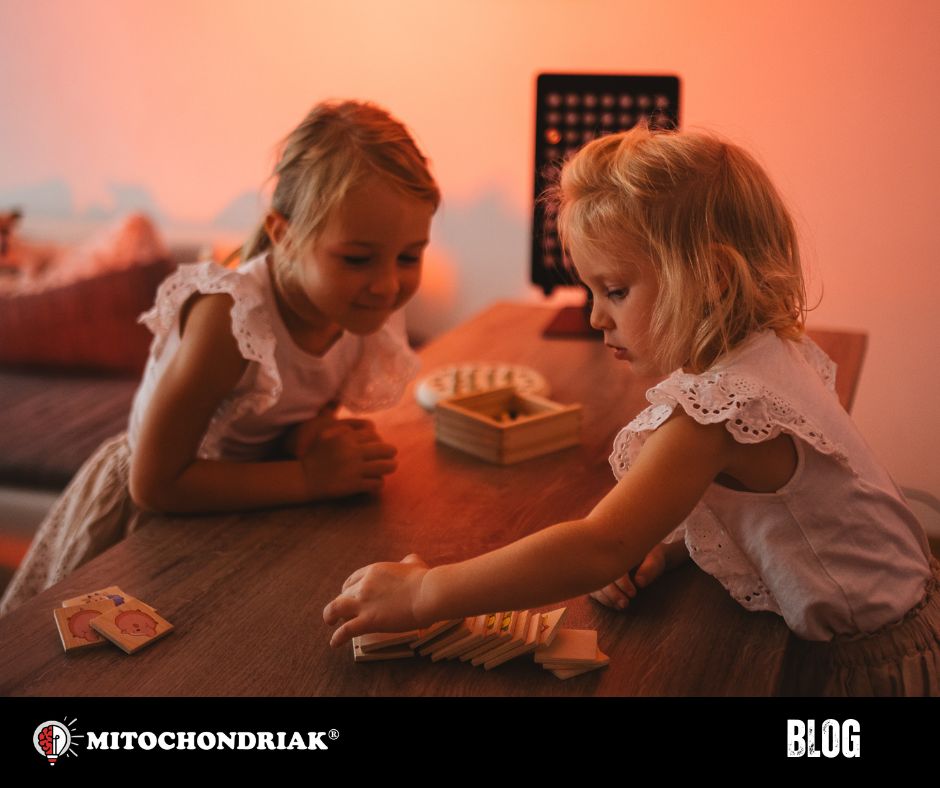
Easter and Circadian Rhythms: How the Holidays (Not) Disrupt Your Circadian Rhythm
Easter is a long-awaited break for many of us. Long family dinners, staying up late, movies until midnight, endless mobile notifications, and interiors filled with bright...

Daylight Saving Time and the Circadian Rhythm: Why You Feel Tired and How to Adapt Quickly
When the clocks move forward by one hour in spring, your watch changes instantly, but your biological clock does not. You may wake according to the new social time while ...
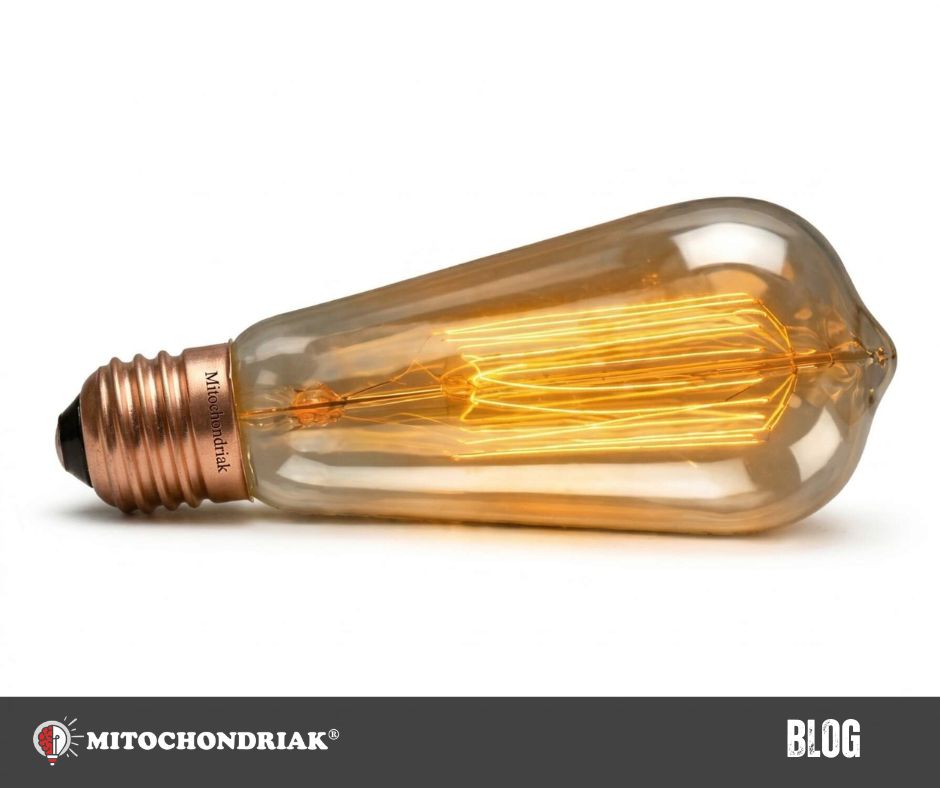
Incandescent bulbs during the day - a simple biohack for better eyes and vision
Do you know that feeling when you sit at the computer all day, your eyes get tired, and image contrast gets worse? Most people in that situation pull down the blinds, inc...
.jpg)
Rosacea, Circadian Rhythm, and Light: Why Red Light May Support Skin Regeneration
The skin is not merely a protective cover. It is a metabolically active organ that senses light, temperature and time, while constantly communicating with the immune syst...
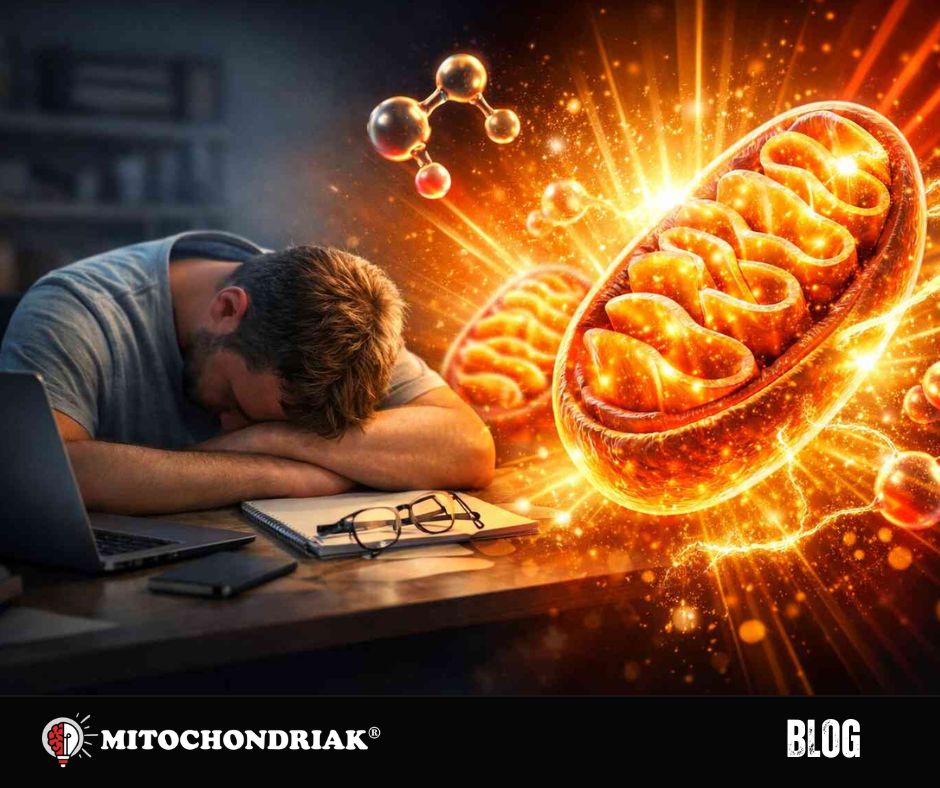
How mitochondria produce energy (ATP)
Why can you eat well, take supplements and still feel exhausted? Food supplies raw material, but your cells still need functioning mitochondria, the correct light signals...
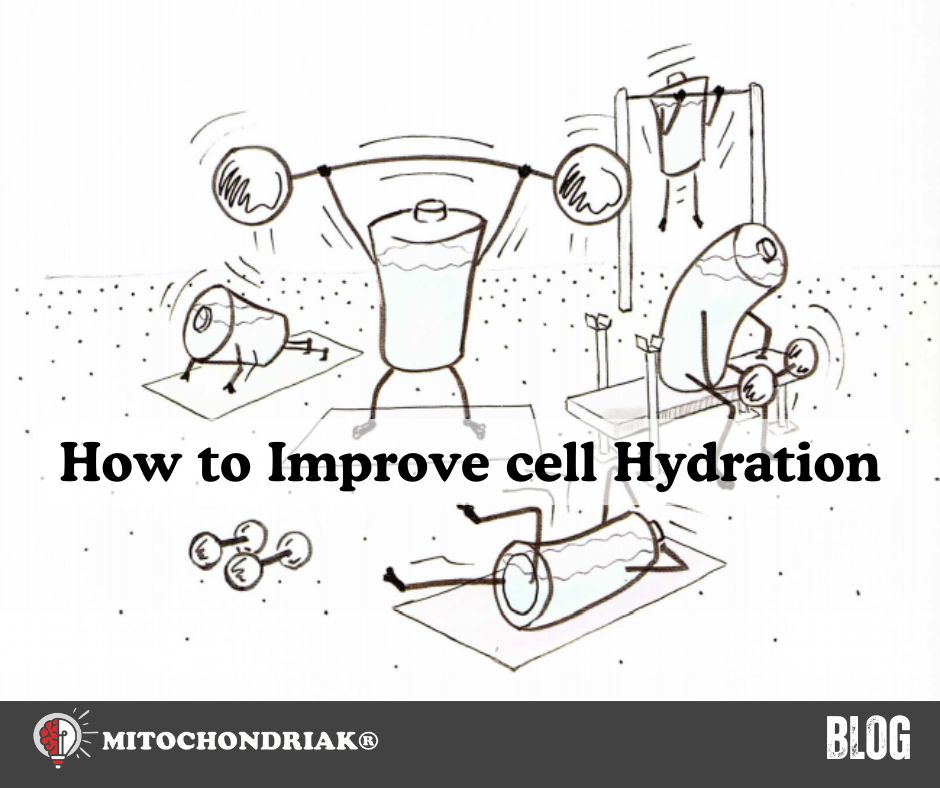
5 Tips to Improve cell Hydration
Did you know that our hydration is not only about the amount of water we drink? The water in us is actually a bit special, because it passes through our cells and mitocho...
Circadian rhythm: How does our internal clock work?
Your circadian rhythm is the internal timing system that tells your body when to wake, eat, move, repair and sleep. It follows an approximately 24 hour cycle, but it does...