.png)
The gut brain connection is becoming increasingly well known, backed by a growing body of scientific research. This connection reveals how our digestion, gut and microbiome influence our mood, cognition and brain function, and vice versa. In this article, we explore what science says about the impact of light and circadian rhythm on gut health, and share practical tips on using red and near infrared light therapy if you struggle with digestive issues or microbiome imbalances.
- How the gut brain axis works and why your digestive system affects your mood, immunity and energy levels
- Why red and near infrared light may help reduce inflammation and support a healthy microbiome
- What a 2022 case report of a single participant revealed about pulsed NIR laser light at 904 nm and changes in the gut microbiome after 11 weeks
- Practical tips on how to use light therapy for better digestion, including recommended wavelengths and session length
- Which Mitochondriak® devices are best suited for targeting the abdominal area
- What does the digestive tract consist of and what are its functions
- How does red and near infrared light therapy support digestive health
- How red light therapy improves gut health
- Practical tips on how to use light therapy for better digestion
- Which devices are recommended for gut and digestive health
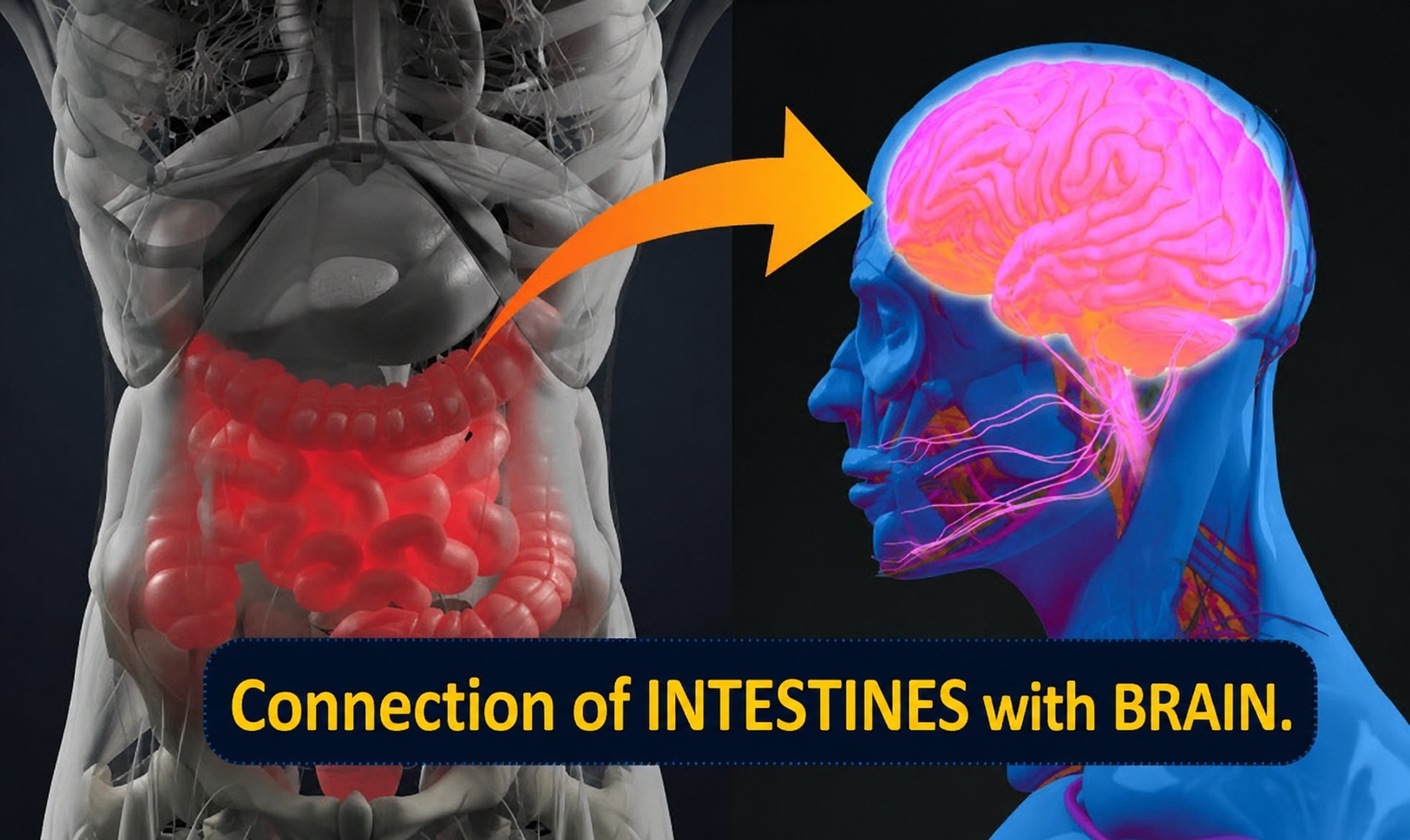
What does the digestive tract consist of and what are its functions?
Our digestive system plays a central role in breaking down food, absorbing nutrients and eliminating metabolic waste, thereby ensuring the efficient functioning of our entire body. We all know the feeling when we eat something unsuitable or unhealthy, or when we experience bloating and cannot properly empty our bowels.
It is precisely our modern lifestyle, typically a very fast paced one, that dictates our food choices and the environments in which we eat. Together, these factors can easily disrupt the delicate balance of our digestive system.
This automatically leads to discomfort, low energy levels, a weakened immune system, reduced athletic and mental performance, poorer work quality, diminished mood and impaired muscle recovery.
Our digestive system is a complex network of organs including the mouth, oesophagus, stomach, small and large intestine, liver, gallbladder and pancreas, all of which work together to process the food we eat.
All of these body parts and organs must function in harmony for digestion to work properly. This requires a balance of gut bacteria (a well diversified microbiome), proper hormonal regulation (such as insulin secretion) and the function of the smooth muscle walls of the gastrointestinal tract.
When this balance is disrupted, it can lead to a whole range of digestive problems, including indigestion, irritable bowel syndrome (IBS), leaky gut, SIBO, and others.
As you may have noticed, our digestive tract is highly complex yet hidden deep within the body. Under normal conditions, it is exposed precisely to red and near infrared light, which are the only wavelengths capable of penetrating this deep into tissue.
How does red and near infrared light therapy support digestive health?
Red and near infrared light therapy is a holistic, non invasive and widely accessible therapy that can be used for a broad range of functions to improve our everyday life, as we have explored in our previous articles.
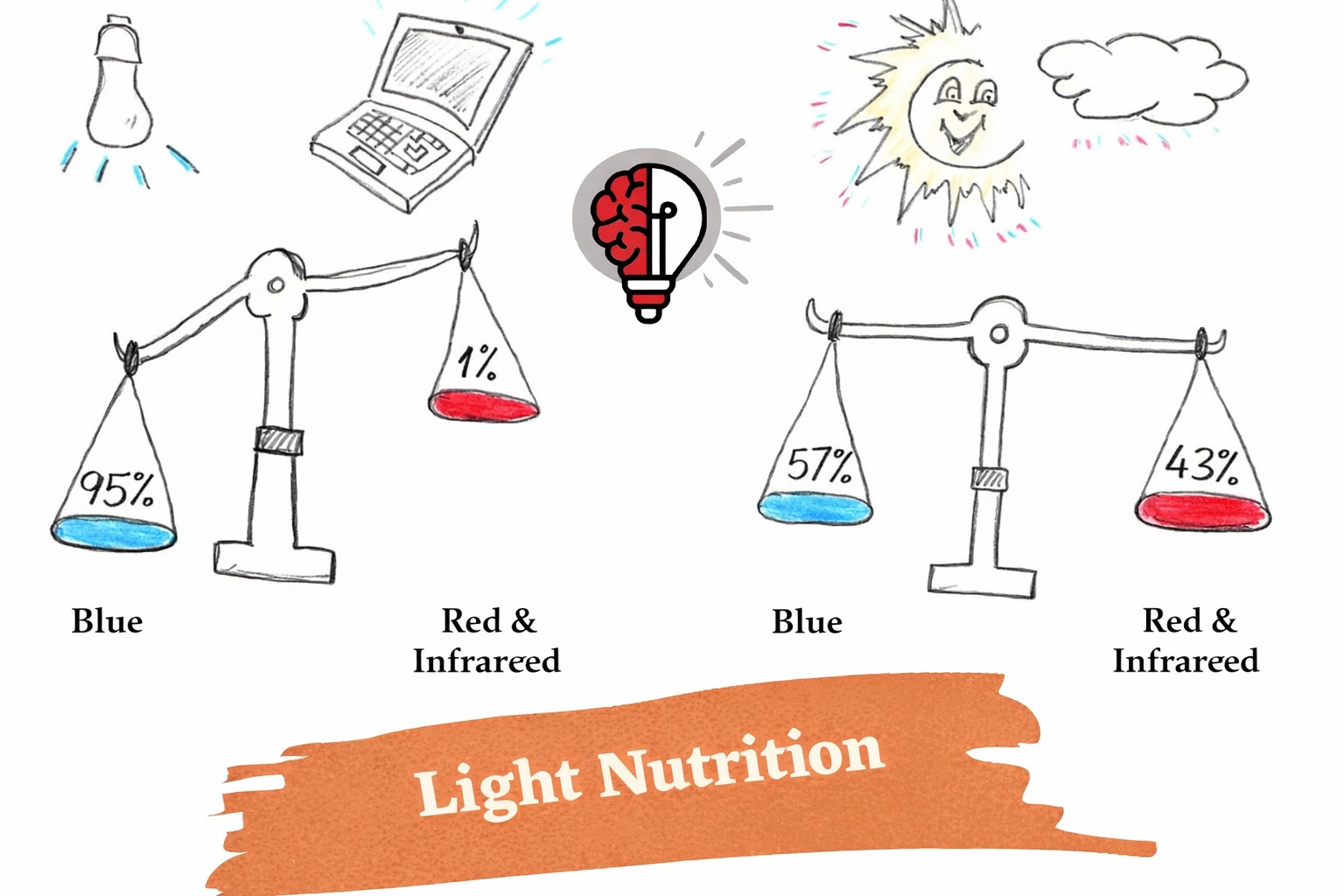
After all, we have all been using this "therapy" for millions of years, because the sun emits a great deal of red and near infrared light, to which we were exposed throughout evolution. It is only in the last few hundred years that our modern way of living has meant we spend almost all of our time indoors.
If you are wondering how exactly red and near infrared light therapy works not only for overall health but also for the gut, the answer is straightforward.
One proposed explanation is improved production of metabolic water (so called deuterium depleted water, which, according to a hypothetical model, our mitochondria produce) [R, R], together with the stimulation of ATP production in cells, which leads to a greater amount of energy available for the body to function more efficiently. [R]
This means that the smooth muscles of the gut also begin to work more optimally, and with them, our digestion.
Red and near infrared light can therefore offer all of these benefits, which extend far beyond just the gut: improved cellular turnover, reduced inflammation, enhanced muscle recovery and athletic performance, and even reduction of fine wrinkles and acne scars.

How does red light therapy improve gut health?
Red and near infrared light therapy targets several key mechanisms that directly influence digestive function. Here are the main ways it can help:
1. Reducing inflammation
Bloating, gas and indigestion are often linked to chronic inflammation and sluggish digestion. A reduction in overall inflammation is one of the most consistently reported effects of red and near infrared light, which may also support digestion and comfort. [R]
2. Gut motility
Gut motility refers to the contraction and relaxation of muscles in the intestine, which is vital for nutrient absorption and digestion. Near infrared light has been proposed to increase ATP production in cells, which could in theory also support the function of smooth muscles. [R] However, the effect of red light therapy on gut motility or constipation has not yet been directly studied.
3. Supporting the gut microbiome
A diverse and healthy gut microbiome is essential for overall health and wellbeing. Red light therapy has been studied for its contribution to maintaining beneficial bacteria in the digestive system.
Early research, including an animal study and a human case report, suggests that near infrared (NIR) light, particularly at wavelengths of around 810 nm and 900 nm, applied to the abdomen may positively alter the microbiome. [R, R]
In a 2022 case report, researchers used 904 nm pulsed infrared laser light to irradiate the abdomen of one participant, delivering a total dose of 861.3 Joules. The participant received treatment 3 times per week for 11 weeks.
The results showed that the participant's microbiome exhibited significant changes in diversity after light treatment, with an increase in known beneficial bacteria (Akkermansia, Faecalibacterium and Roseburia) and a decrease in potentially pathogenic bacterial genera.
4. Enhanced nutrient absorption
By boosting cellular energy production, red light therapy can improve nutrient absorption in the digestive system. This can be particularly beneficial for those suffering from nutrient deficiencies and malabsorption.
Practical tips on how to use light therapy for better digestion
To support your digestive health, we recommend targeting the abdominal area, where the digestive organs are concentrated.
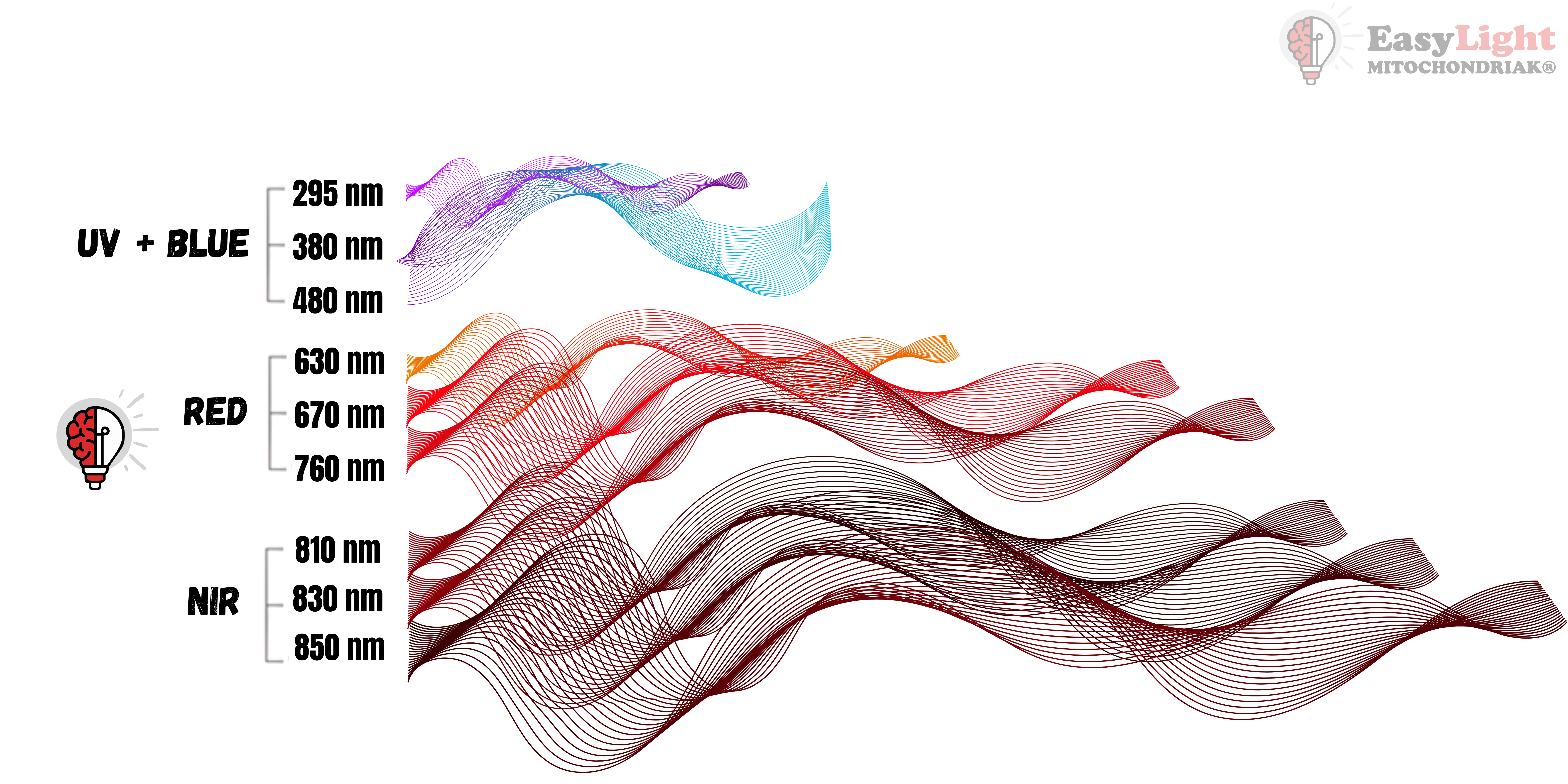
Choose your device wisely, ensuring it meets the right parameters: ideally at least 670, 810, 830 and 850 nm, and optionally pulsation for deeper penetration.
Treatment sessions are relatively short, typically ranging from 5 to 20 minutes daily, or every second or third day. We recommend using the device during the day, ideally in the morning, or before or after meals.
Which devices are recommended for gut and digestive health?
It is important to recognise that while red light therapy is effective, it should be seen as a complement to your overall lifestyle, which includes a balanced circadian rhythm and good sleep, regular sun exposure, a balanced diet, proper hydration and regular physical activity.
If you decide to invest in a red and near infrared light therapy device, we recommend choosing one where you know the exact wavelengths and parameters, and ideally one that offers pulsation for deeper light penetration.
In a small preliminary study in mice, the abdomen was irradiated with 808 nm (near infrared) or 660 nm (red) laser light, either once or 3 times per week for 2 weeks, with pulsation at 250 Hz and a dose of 10 Joules/cm2. Compared with sham treatment, the light changed the diversity of the gut microbiome, and the beneficial genus Allobaculum increased only after the near infrared light, by day 14. [R]
Given that Mitochondriak® Maxi Upgraded panels include pulsation and the 810 nm wavelength, along with high irradiance, they are an excellent choice for targeting gut issues and supporting the microbiome.
With our devices, you can achieve 10 Joules from a distance of approximately 60 to 100 cm from the panel in just 2 minutes.
Our Torch Mitochondriak® pulse also features pulsation and NIR light at 900 nm, making it another great tool for irradiating the abdomen. The torch is portable and perfect for anyone who travels and wants their device always at hand. Simply take it out of its carrying case, shine it on your abdomen for 5 to 10 minutes with red light and 5 to 10 minutes with near infrared light, and you are done.
.jpg)
Frequently asked questions
Can red light therapy really improve digestion?
Possibly, but the research is still at an early stage. Red and near infrared light stimulate ATP production in cells, which may support the function of smooth muscles in the gut and help reduce inflammation linked to digestive discomfort. An animal study and a human case report observed changes in microbiome diversity after light was applied to the abdomen; gut motility itself was not measured in these studies. [R, R]
Which wavelengths are best for gut health?
Research points to near infrared wavelengths, particularly 810 nm and 900 nm, as the most effective for reaching the abdominal organs. Red wavelengths such as 630 and 670 nm also contribute by reducing surface inflammation. Mitochondriak® devices cover this entire range with wavelengths from 630 to 940 nm.
How often should I use red light therapy for digestive benefits?
Most protocols involve sessions of 5 to 20 minutes, 3 to 5 times per week, targeting the abdominal area. In the human case report on microbiome changes, the abdomen was irradiated 3 times per week for 11 weeks; in the mouse study, changes in the microbiome appeared within 2 weeks. [R, R]
Does pulsation make a difference for gut therapy?
Possibly, but this has not been clearly established. Pulsed light is often said to penetrate deeper into tissue, yet in a study measuring how 808 nm laser light passes through human cadaver head tissue, pulsed and continuous light penetrated equally. [R] A review of pulsing in light therapy found some evidence that pulsed light has different effects from continuous light, but no agreement on which of the two is better. [R] A study on mice used pulsation at 250 Hz and observed microbiome changes after 14 days, but it did not compare pulsed with continuous light. [R] All Mitochondriak® panels and the Torch Mitochondriak® pulse offer adjustable pulsation.
Is red light therapy safe for the abdomen?
Red and near infrared light therapy is non invasive and has no known harmful side effects when used according to manufacturer guidelines. The wavelengths used (630 to 940 nm) are part of the natural solar spectrum that our bodies have been exposed to for millions of years.
Sources and references
- Carabotti, M., et al. (2015). The gut-brain axis: interactions between enteric microbiota, central and enteric nervous systems. PMC4367209
- Boros, L. G., et al. (2016). Submolecular regulation of cell transformation by deuterium depleting water exchange reactions in the tricarboxylic acid substrate cycle. PubMed 26826644
- Sommer, A. P., et al. (2015). Light effect on water viscosity: implication for ATP biosynthesis. Nature Scientific Reports
- Hamblin, M. R. (2017). Mechanisms and applications of the anti-inflammatory effects of photobiomodulation. PubMed 28748217
- Bicknell, B., et al. (2022). Modifying the microbiome as a potential mechanism of photobiomodulation: a case report. PubMed 34962422
- Bicknell, B., et al. (2019). Photobiomodulation of the microbiome: implications for metabolic and inflammatory diseases. PubMed 30074108
- Hashmi, J. T., et al. (2010). Effect of pulsing in low-level light therapy. PubMed 20662021
- Tedford, C. E., et al. (2015). Quantitative analysis of transcranial and intraparenchymal light penetration in human cadaver brain tissue. PubMed 25772014