.png)
Red light therapy and weight loss connects two things that seem unrelated at first glance. But modern science increasingly shows that photons of red and near-infrared light can measurably affect fat cells, metabolism, and energy production in mitochondria. Photobiomodulation, as this method is scientifically called, works at the cellular level and intervenes in processes directly related to how the body handles fat stores. In this comprehensive guide, we look at what clinical studies say, what mechanisms drive the effect of light on fat cells, and how you can incorporate light therapy into your weight management plan.
- The mechanism behind how red light affects fat cells and metabolism
- What clinical studies say about photobiomodulation and waist circumference reduction
- Which wavelengths and parameters are most effective for fat reduction
- How red light influences mitochondria, ATP, and hormonal balance
- Why light alone is not enough and how to combine it with exercise and diet
- Practical recommendations for incorporating light therapy into your routine
- How does red light affect fat cells?
- What do clinical studies say about red light and weight loss?
- Which wavelengths are most effective for fat reduction?
- How does red light support metabolism and energy production?
- Hormones, insulin, and leptin: the role of light in hormonal balance
- Is light enough? Why combining it with exercise is essential
- How to start with light therapy for weight loss
- Frequently Asked Questions
How does red light affect fat cells?
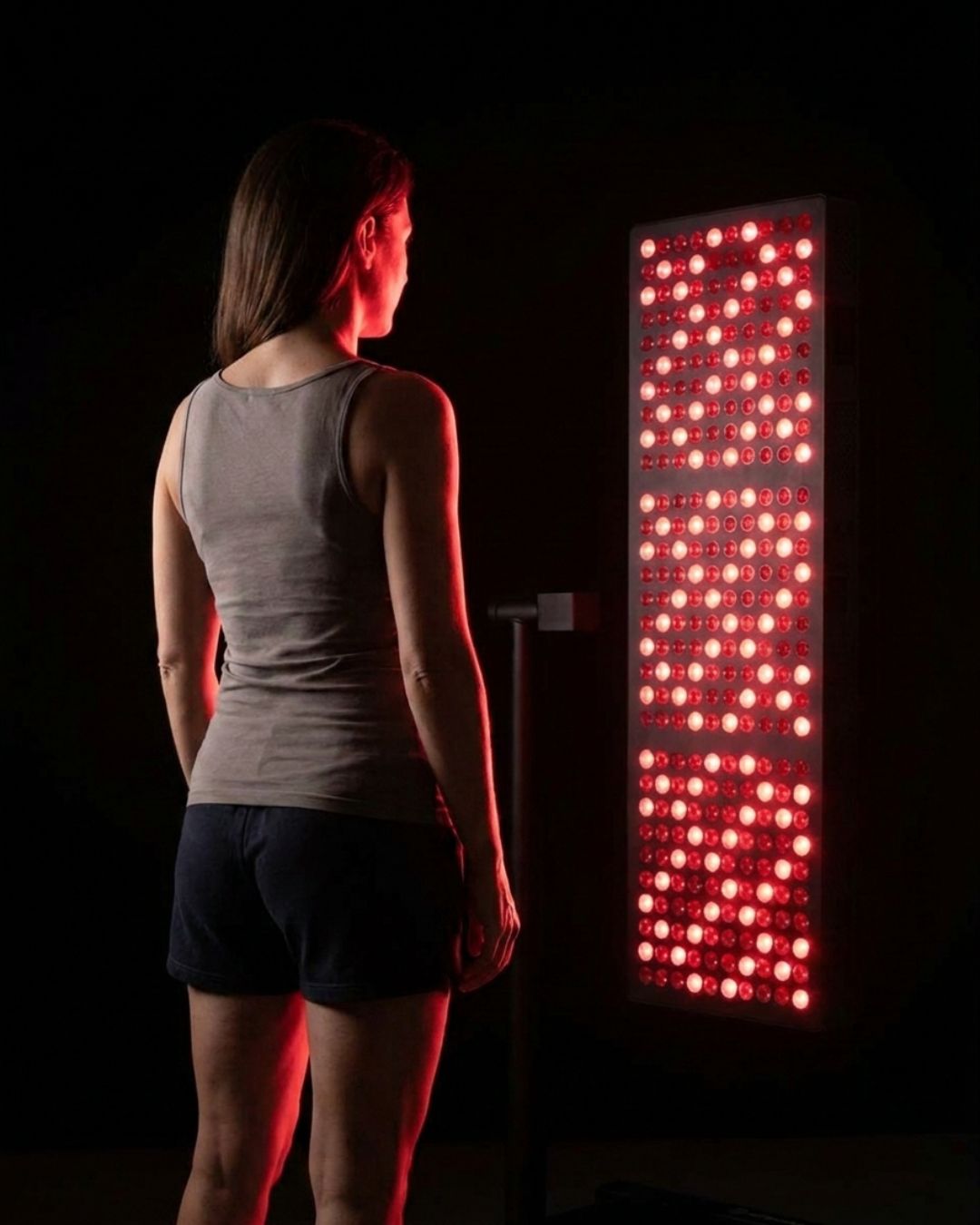
Red and near-infrared light acts on fat cells (adipocytes) by penetrating through the skin and creating temporary pores in the fat cell membrane. Through these microscopic pores, lipids (fats) are released into the intercellular space, where the body can process and use them as a source of energy. This process occurs without damaging the cell itself, which is a fundamental difference from invasive methods like liposuction.
This phenomenon is called photobiomodulation and is based on the interaction of light with cytochrome c oxidase (CCO) in the mitochondria. When photons of red light reach this enzyme, nitric oxide (NO) is released and ATP production (cellular energy) increases. In fat cells, this triggers a cascade of events leading to the emptying of lipid stores. It is a complex biochemical process in which cell membrane permeability changes, allowing the transport of triglycerides out of the cell.
Researchers Caruso-Davis and colleagues studied the effect of low-level laser therapy (LLLT) in the 635 to 680 nm range on fat cells and confirmed that light application leads to measurable shrinkage of fat cells. Electron microscopic images showed the formation of transient pores in the cell membrane. Importantly, cells retained their structure and viability after lipid release. [R]
From a biological standpoint, it is essential that fat cells do not die during photobiomodulation. Unlike procedures such as cryolipolysis or liposuction, where cells are mechanically or thermally destroyed, light therapy leaves cells intact. Lipids simply release through temporary pores and the cell shrinks. This means no inflammatory response occurs and no cellular debris is released, making photobiomodulation an exceptionally gentle method.
It is important to understand that red light does not directly "burn" fat. Instead, it facilitates the release of fat from cells, putting the body in a position where it can utilize these lipids. Released fatty acids and glycerol enter the bloodstream and are transported to muscles and organs where they can be oxidized. This is why light therapy is most effective when combined with exercise and a balanced diet, because physical activity ensures that released lipids are actually burned.
What do clinical studies say about red light and weight loss?
Clinical studies show that photobiomodulation with red and near-infrared light can reduce waist, hip, and thigh circumference in participants who underwent a series of treatments. A systematic review and meta-analysis of randomized controlled trials (RCTs) from 2025 confirmed that photobiomodulation can reduce weight, BMI, and waist circumference in obese patients. This meta-analysis included multiple independent studies and its conclusions strengthen the credibility of research in this field. [R]
Key studies that have shaped our current understanding of this topic include:
Nestor et al. (2013) conducted a double-blind, placebo-controlled study using a 635 nm laser. Participants underwent a series of treatments on the waist, hips, and thighs. Results demonstrated a statistically significant reduction in circumference in treated areas compared to the placebo group. The device using this wavelength also received FDA clearance for non-invasive body contouring, a significant regulatory milestone confirming the safety and efficacy of the method. [R]
Montazeri et al. (2017) tested a combination of three different wavelengths (red, infrared, and blue) and recorded abdominal circumference reduction in 100% of participants without any side effects. The study showed that a multi-spectral approach, using multiple wavelengths simultaneously, can have a more pronounced effect than using a single wavelength. Participants made no changes to their diet or exercise regimen, isolating the effect of the light itself. [R]
Nishioka et al. (2024) in a randomized study of 90 female patients examined the effect of LED photobiomodulation on localized abdominal fat reduction. Results confirmed significant abdominal circumference reduction after red LED light application. This study is particularly interesting because it used LED technology rather than lasers, which is closer to devices available for home use. [R]
These results are encouraging, but it must be said that most studies worked with relatively small sample sizes and short-term follow-up. Long-term effects and optimal protocols are still subjects of ongoing research. Nevertheless, the consistency of positive results across different studies is noteworthy. Independent research teams on different continents have reached similar conclusions, increasing the credibility of the entire field.
Which wavelengths are most effective for fat reduction?
The most effective wavelengths for fat reduction lie in the red spectrum (630 to 680 nm) and in the near-infrared spectrum (800 to 850 nm). Red light primarily acts on superficial fat layers located just beneath the skin, while near-infrared light penetrates deeper and reaches visceral fat surrounding internal organs, which is the most dangerous from a health perspective.
Most of the cited clinical studies used a wavelength of 635 nm, which falls precisely in the red spectrum. A systematic review by Avci et al. (2013), published in Lasers in Surgery and Medicine, confirmed that wavelengths in the 635 to 680 nm range are the best documented for fat metabolism. This work compiled results from multiple independent studies, creating a comprehensive picture of which parts of the spectrum are most effective. [R]
More recent research suggests that combining multiple wavelengths can produce a synergistic effect. The study by Montazeri et al. (2017) showed that a combination of red and infrared light achieved better results than using a single wavelength alone. [R] The reason is that different wavelengths target different tissue depths and activate different photoreceptors in cells. Red light around 630 to 670 nm is absorbed primarily by cytochrome c oxidase in superficial layers, while near-infrared light in the 810 to 940 nm range reaches a depth of up to 5 to 7 cm and acts on deep fat deposits.
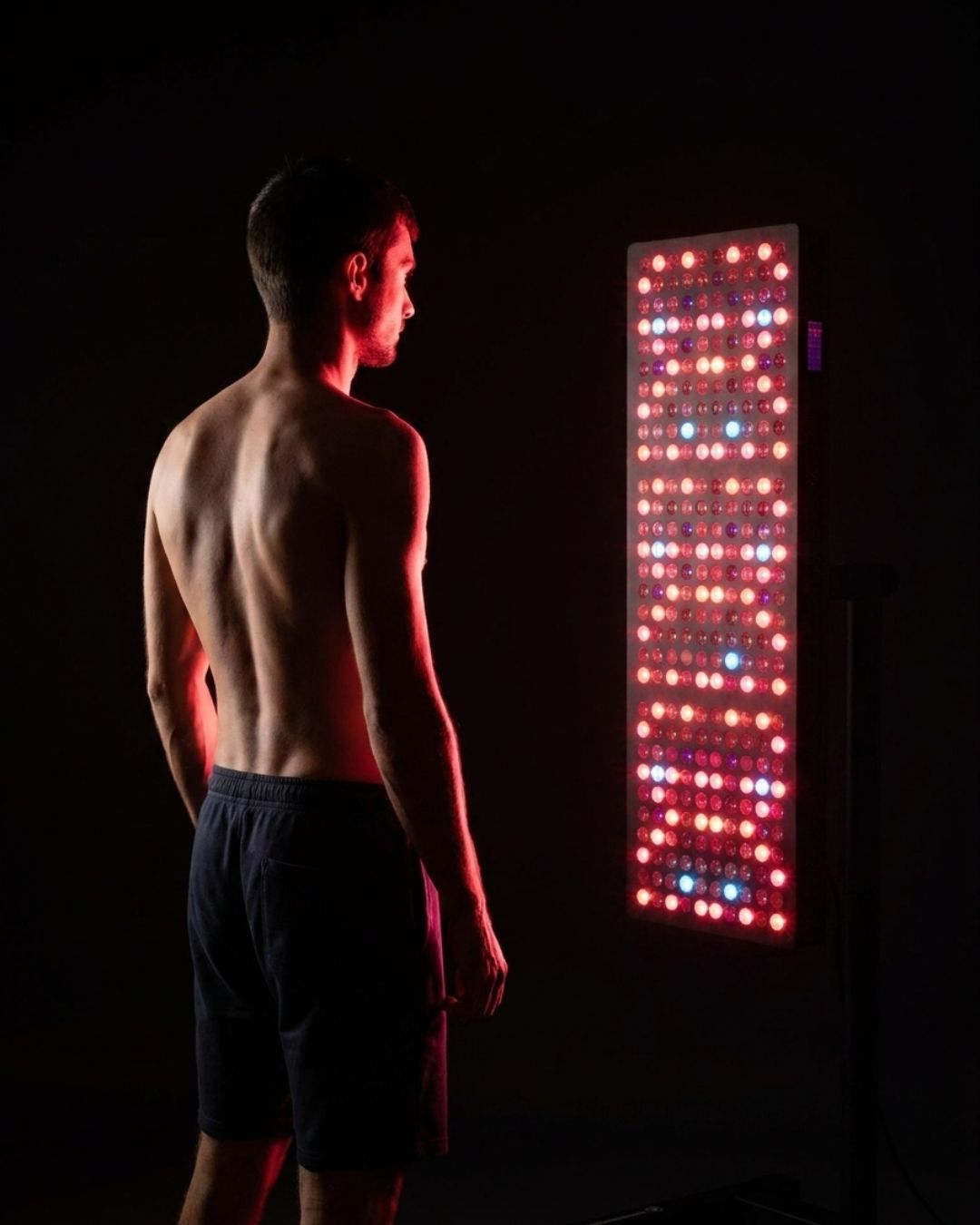
Mitochondriak® panels contain up to 7 wavelengths (630, 670, 760, 810, 830, 850, and 940 nm), covering the entire spectrum that research identifies as effective for acting on fat cells and deeper tissues. The 760 nm wavelength is particularly interesting because it targets the absorption peak of cytochrome c oxidase directly, maximizing mitochondrial stimulation in the exposed tissue.
How does red light support metabolism and energy production?
Red light boosts metabolism by stimulating mitochondria, specifically the enzyme cytochrome c oxidase (CCO), to increase ATP production. More ATP means more cellular energy, which translates into more efficient functioning of the entire organism, including metabolic processes. Mitochondria are the energy powerhouses of every cell, and their performance directly affects how quickly and efficiently the body processes nutrients.
When mitochondria function better, the body processes nutrients more efficiently and burns energy stores more effectively. This effect is not limited to fat cells alone. Increased ATP production also affects muscles, the nervous system, and organs. From a weight loss perspective, the key point is that well-functioning mitochondria help the body use fat as fuel instead of storing it. When mitochondrial function declines, which is common with a sedentary lifestyle and aging, the body shifts into energy storage mode, leading to gradual accumulation of fat stores.
Another mechanism involves nitric oxide (NO). Red light releases NO from cytochrome c oxidase, which improves blood circulation and supports oxygen delivery to tissues. Better circulation means more efficient transport of released lipids to where the body can use them. At the same time, increased oxygen supply to muscles supports their performance during exercise, creating a positive feedback loop: better mitochondria lead to better performance, which further strengthens mitochondrial function.
Research also suggests that red light therapy can positively influence the production of deuterium-depleted water (DDW) in the mitochondria. This metabolic water is produced during properly functioning oxidative phosphorylation and is considered an important marker of mitochondrial health. The better mitochondria function, the higher quality metabolic water they produce, which has a positive impact on overall cellular function.
Hormones, insulin, and leptin: the role of light in hormonal balance
Red light affects not only mitochondrial function but also hormonal balance, which plays a key role in weight regulation. Two hormones are particularly important in the context of weight loss: insulin, which controls sugar processing and fat storage, and leptin, which signals satiety to the brain.
Insulin resistance is one of the main obstacles to weight loss. When cells stop responding properly to insulin, the body produces more of this hormone, leading to increased fat storage, especially in the abdominal area. Research suggests that photobiomodulation can positively influence insulin sensitivity, meaning cells start responding to insulin more effectively again. The result is more efficient glucose processing and a reduced tendency for the body to store excess energy as fat.
Leptin is a hormone produced directly by fat cells. In overweight individuals, leptin resistance often develops, where the brain stops properly reading satiety signals despite adequate leptin levels in the blood. Red light therapy may, through improved mitochondrial function in the hypothalamus (the part of the brain responsible for hunger regulation), help restore proper leptin response. In practice, this means better recognition of satiety and natural regulation of food intake.
Beyond insulin and leptin, red light also acts on other metabolically relevant hormones. Improved mitochondrial function in the adrenal glands can contribute to better cortisol regulation. Cortisol, the stress hormone, promotes abdominal fat storage when chronically elevated. More stable cortisol levels thus indirectly contribute to more effective weight management.
Is light enough? Why combining it with exercise is essential
Light therapy alone is not a miracle weight loss solution. Light releases lipids from fat cells, but if the body does not use these lipids, they simply get stored back. Released fatty acids circulate in the bloodstream for a limited time only. If they are not oxidized through physical activity or metabolic demand, adipocytes reabsorb them. This is why exercise after therapy is an important complement that ensures released fats are actually burned.
The optimal approach looks like this: light therapy helps "prepare" fat cells for content release, exercise and an active lifestyle ensure the body uses that content, and a balanced diet prevents formation of new fat stores. These three pillars work in synergy, and none of them alone will deliver optimal results. Light without movement is like unlocking a door that nobody walks through.
Research by Sun et al. (2025) in their meta-analysis of RCT studies confirmed that more pronounced effects of photobiomodulation on weight and waist circumference reduction were observed in individuals who combined therapy with physical activity, compared to groups that used only light without lifestyle changes. The difference between groups was statistically significant, clearly demonstrating the synergistic effect of light and exercise. [R]
Practical tips for combining light and exercise
- Before training: apply red light for 10 to 15 minutes before exercise to activate mitochondria and prepare tissues. Mitochondria in muscles begin producing more ATP, resulting in higher performance and endurance during training.
- After training: 10 to 20 minutes after exercise supports recovery while extending the effect on fat metabolism. Muscles recover faster and released lipids are burned more efficiently.
- Consistency: regular therapy (daily or every other day) delivers better results than occasional sessions. The cumulative effect is key in photobiomodulation.
- Type of exercise: the most suitable is moderate-intensity aerobic exercise (brisk walking, cycling, swimming), because this is when the body primarily burns fat. Strength training is a valuable complement, as it increases basal metabolic rate.
Diet as the third pillar
In addition to exercise, diet plays a key role. If you consume large amounts of processed foods and simple sugars after red light therapy and exercise, released lipids will be replaced by new fat stores. For maximum effect, focus on whole foods, quality proteins, healthy fats, and plenty of fiber. There is no need to drastically cut calorie intake. A balanced and varied diet that provides all necessary nutrients without excess energy is sufficient.
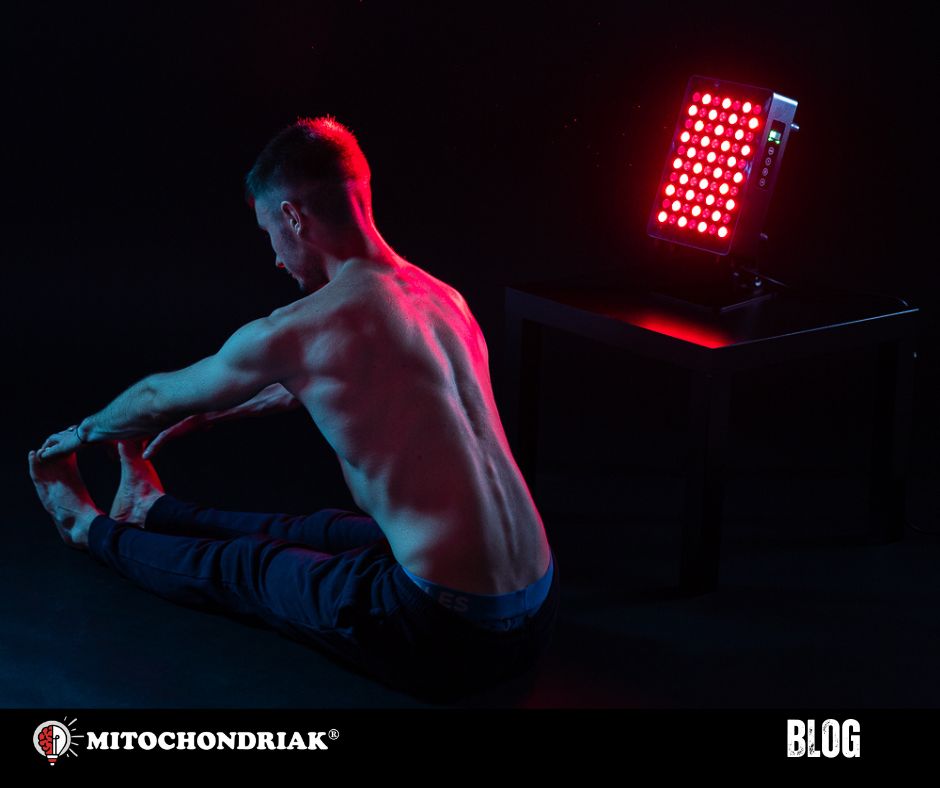
How to start with light therapy for weight loss
Getting started with light therapy for weight loss is straightforward. You need a quality panel with the right wavelengths, follow the recommended distance and time, and be consistent. No special preparation or expert knowledge is required. Light therapy is a passive method where you simply stand or sit in front of the panel while photons do their work at the cellular level.
What to look for when choosing a device?
When selecting a panel for weight loss support, look for a device that combines red light (630 to 760 nm) with near-infrared light (810 to 940 nm). This combination ensures action on both superficial and deeper fat layers. Panel size also matters, as you want to treat larger body areas at once, which is particularly relevant for weight loss since you want to act on entire regions, not just small spots.
Another factor is device power output (irradiance), meaning the amount of light energy delivered per unit area. A quality panel should deliver sufficient irradiance so photons penetrate through the skin and subcutaneous fat to the target structures. Devices with more LED diodes and higher output achieve better results in the same application time.
The recommended usage protocol depends on the specific device. Generally, for metabolism support and fat cell work, a distance of 15 to 30 cm from the body and application time of 10 to 20 minutes per area is suitable. For a full-body effect, it is advisable to sequentially treat both the front and back of the body. Detailed recommendations for specific devices can be found on the FAQ and guidance page.
What to expect in the first weeks
In the first to second week, most people experience improved energy and sleep quality, which are the first signs of better mitochondrial function. Measurable changes in circumference typically appear after 2 to 4 weeks of regular therapy. Visible results in the mirror come after 4 to 8 weeks, especially when combining therapy with exercise and a balanced diet. Patience and consistency are key, as photobiomodulation is a gradual process, not a one-time fix.
Important: Red light is not a replacement for a healthy lifestyle. Research shows that the best results are achieved by people who combine light therapy with regular exercise and a balanced diet. If you have health issues related to weight, consult your physician.
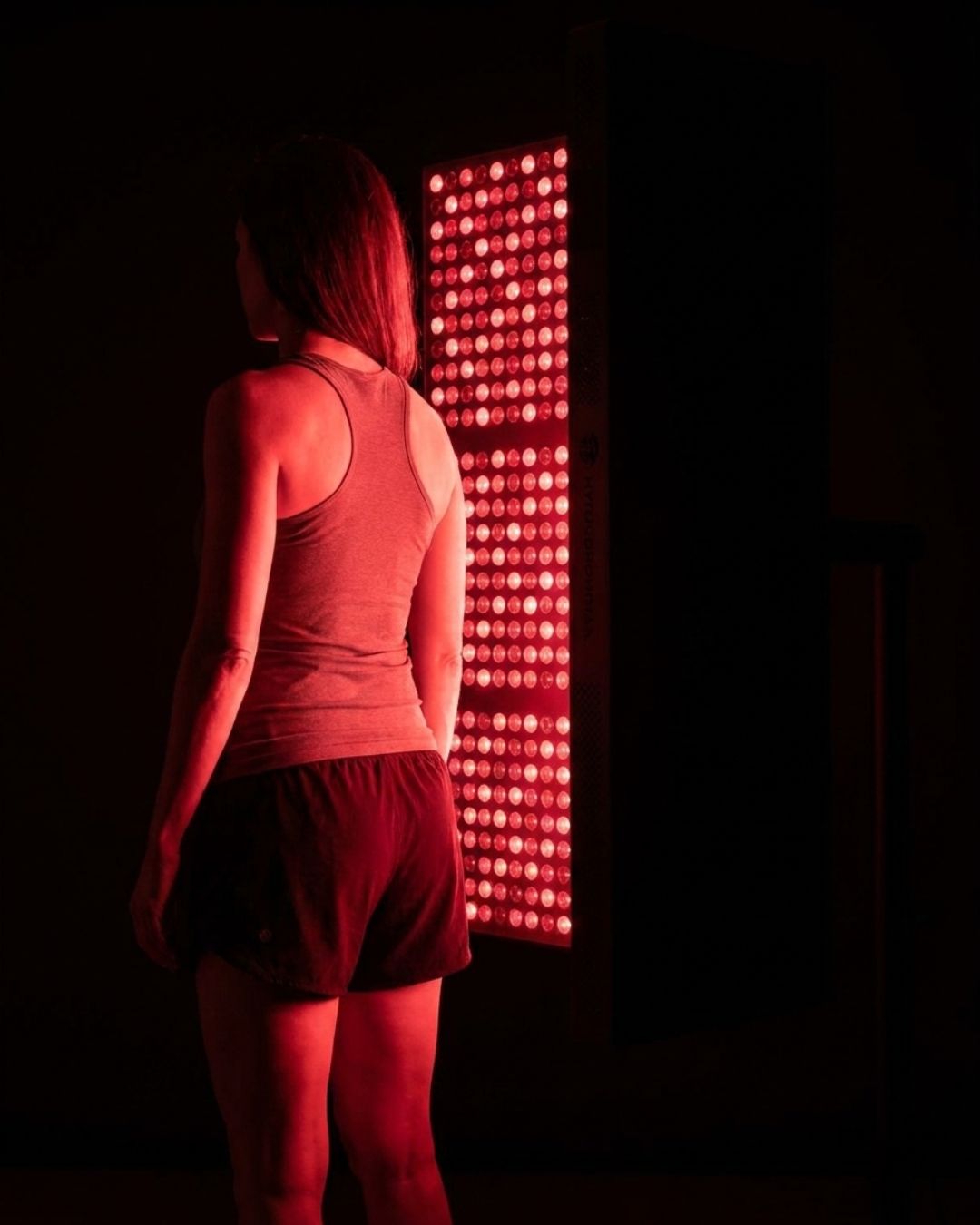
Try Mitochondriak® panels for metabolism support
Mitochondriak® panels combine red and near-infrared light across multiple wavelengths, covering the entire spectrum validated by research. They are suitable for home use and full-body therapy, with larger panels treating half the body in a single session.
Frequently Asked Questions
Does red light really help with weight loss?
Clinical studies confirm that red and near-infrared light can contribute to reducing waist, hip, and thigh circumference. The mechanism involves releasing lipids from fat cells through temporary pores in the membrane. However, light therapy is not a standalone weight loss solution. The best results come from combining it with exercise and a balanced diet, because released lipids must be actively burned by the body. Photobiomodulation acts as a catalyst that facilitates access to fat stores, but physical activity drives the actual burning.
How many minutes per day should I use red light for fat reduction?
Most clinical studies used sessions lasting 10 to 20 minutes per treated area. Daily or every-other-day application is recommended, with consistency being more important than the length of a single session. The exact time depends on the device type and its power output. Higher-powered panels can achieve comparable effects in a shorter time. Detailed recommendations can be found in the manual for each specific device or on the FAQ page.
Which wavelengths are most effective for fat reduction?
The best-documented wavelengths for fat reduction are in the 630 to 680 nm range (red light) and 800 to 850 nm (near-infrared light). Red light acts on superficial fat layers and near-infrared light penetrates deeper. According to studies, combining both spectra delivers better results than using a single wavelength alone. Multi-spectral devices with multiple wavelengths thus have an advantage for weight loss over single-color devices.
Is red light therapy for weight loss safe?
Yes, photobiomodulation is a non-invasive method that showed no significant side effects in clinical studies. Red and near-infrared light contains no UV radiation, does not produce heat intense enough to damage tissues, and does not affect internal organs. The only perceived effect is a mild pleasant warmth on the skin. For epilepsy, pregnancy, or oncological conditions, it is advisable to consult a physician before use.
When will I see the first results?
The first measurable changes in treated area circumference were recorded in studies after 2 to 4 weeks of regular therapy. Visible results appear for most people after 4 to 8 weeks of consistent use combined with an active lifestyle. Individual results vary depending on starting weight, diet, and activity level. People with a higher body fat percentage may notice changes sooner, as their body has more fat stores to release.
Can I combine red light with exercise?
Absolutely, and combining with exercise delivers the best results. Light therapy before training activates mitochondria and prepares fat cells for lipid release. After training, it supports muscle recovery and reduces soreness after intense exercise. A recommended protocol is 10 to 15 minutes of therapy before exercise or 10 to 20 minutes after exercise. Some people apply light both before and after training for maximum synergistic effect.
Do I need to shine light directly on the areas where I want to lose weight?
Clinical studies focused on circumference reduction typically applied light directly to target areas (abdomen, hips, thighs). However, the overall metabolic effect acts on the entire body, because mitochondrial stimulation is not limited to the illuminated area alone. For localized reduction, direct application is more effective, but full-body therapy delivers systemic benefits including improved overall metabolism, sleep quality, and energy levels.
What is the difference between red and infrared light for weight loss?
Red light (630 to 760 nm) is absorbed primarily in superficial tissue layers, penetrating to a depth of approximately 1 to 2 cm, and acts mainly on subcutaneous fat. Near-infrared light (800 to 940 nm) penetrates significantly deeper, up to 5 to 7 cm, and reaches visceral fat around internal organs. For the most comprehensive effect, a combination of both types of light is ideal, as it covers different depths of adipose tissue.
- Caruso-Davis MK et al. (2011). Efficacy of low-level laser therapy for body contouring and spot fat reduction. Obesity Surgery. PubMed
- Avci P et al. (2013). Low-Level Laser Therapy for Fat Layer Reduction: A Comprehensive Review. Lasers in Surgery and Medicine. PMC3769994
- Nestor MS et al. (2013). Body contouring using 635-nm low level laser therapy. Seminars in Cutaneous Medicine and Surgery. PDF
- Montazeri K et al. (2017). The Effect of Combination of Red, Infrared and Blue Light on Abdominal Girth Reduction. Journal of Lasers in Medical Sciences. PMC5642174
- Nishioka MA et al. (2024). Clinical Protocol Effects With LED Photobiomodulation for Reducing Localized Abdominal Fat. Journal of Cosmetic Dermatology. PMC11845923
- Sun W et al. (2025). Photobiomodulation therapy for obesity: a systematic review and meta-analysis of RCTs. Frontiers in Endocrinology. PMC11992763