.png)
Light therapy is not a passing trend but one of the oldest healing methods, now backed by modern science. From red and near-infrared light that stimulates mitochondria, through UV light for vitamin D production, to blocking blue light for better sleep. Learn what types of light therapy exist, what their effects are, and how to use them at home.
- What light therapy is and how photobiomodulation works at the cellular level
- What types of light therapy exist and how they differ (red, near-infrared, UV, blue)
- What effects light therapy has according to scientific studies
- How to choose the right device for light therapy at home
- A practical guide to using light therapy safely and effectively
- What is light therapy and how does it work?
- Types of light therapy: red, near-infrared, UV, and blue light
- What are the effects of light therapy?
- Who is light therapy suitable for?
- How to choose a light therapy device?
- How to use light therapy at home correctly?
- Frequently Asked Questions about light therapy
- Scientific studies and sources
What is light therapy and how does it work?
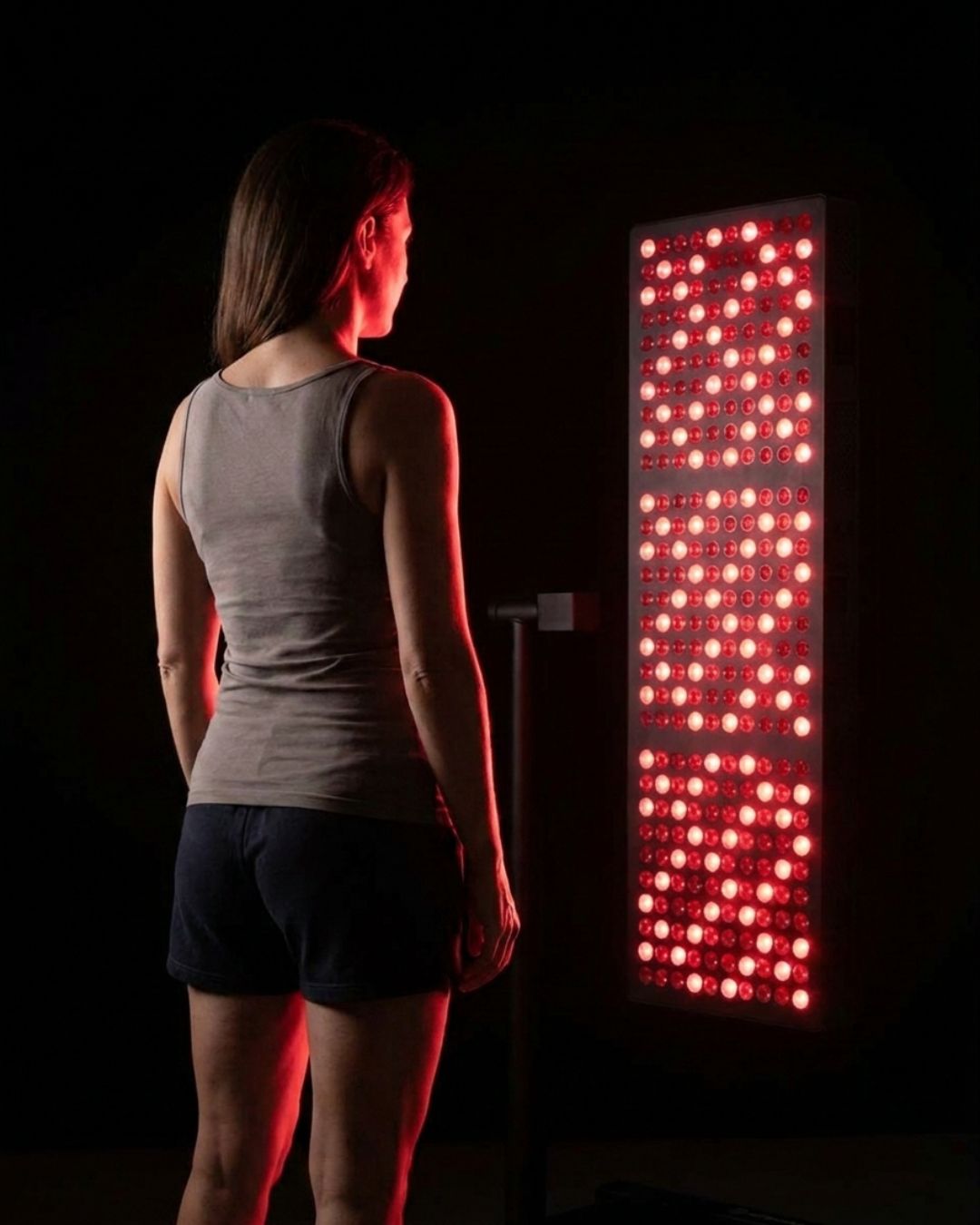
Light therapy is a collective term for healing and supportive methods that use specific wavelengths of light to stimulate cellular processes in the body. It encompasses red light, near-infrared light, UV radiation, and blue light management. In scientific literature, it is most commonly referred to as photobiomodulation (PBM) or low-level light therapy (LLLT). [R]
The principle is straightforward. When photons of light with the right wavelength penetrate tissue, they are absorbed by the enzyme cytochrome c oxidase (CCO) in the mitochondria. This enzyme is part of the cellular respiratory chain, and its stimulation increases the production of adenosine triphosphate (ATP), the cell's energy currency. More ATP means faster recovery, better healing, and more efficient functioning of the entire organism. [R]
The first scientific observations of light therapy date back to the 1960s, when Hungarian scientist Endre Mester discovered that a low-energy laser could promote wound healing in laboratory animals. NASA later built on his work, testing red LED light to support astronaut recovery in space. [R]
Types of light therapy: red, near-infrared, UV, and blue light
The term light therapy covers several distinct approaches. Each type of light has different wavelengths, different tissue penetration depth, and different biological effects. The following table will help you navigate:
| Light type | Wavelengths | Penetration depth | Primary effects |
|---|---|---|---|
| Red light | 600 to 760 nm | Skin, subcutaneous tissue (2 to 5 mm) | Collagen, wound healing, anti-aging, acne |
| Near-infrared (NIR) | 760 to 1,000 nm | Muscles, joints, tendons (up to 5 to 8 cm) | Muscle recovery, joint pain, inflammation |
| UVB light | 290 to 315 nm | Epidermis (outer skin layer) | Vitamin D, melanin, psoriasis |
| Blue light (blocking) | 400 to 500 nm | Retina, skin | Disrupts melatonin, circadian rhythm |
Red light therapy (630 to 760 nm)
Red light primarily acts on surface tissues. It stimulates fibroblasts, the cells responsible for producing collagen and elastin. This is why red light therapy is used in dermatology for anti-aging treatments, wound healing, scar reduction, and acne treatment. A French study from 2023 recorded a reduction in wrinkle depth around the eyes after 3 months of regular use. [R]
Near-infrared therapy (810 to 940 nm)
Near-infrared light penetrates deeper into tissues and reaches muscles, joints, and tendons. This is why infrared therapy is popular among athletes for supporting post-training recovery. An umbrella review from 2025 encompassing multiple randomized controlled trials confirmed that photobiomodulation helps with joint pain, muscle recovery, and tissue healing. [R]
UV light and vitamin D production
UVB radiation in the 290 to 315 nm range is the only type of light that triggers vitamin D production directly in the skin. During winter months, when the UV index is too low, a home device with UVB light can be a practical solution for people with vitamin D deficiency.
Blue light blocking as "passive light therapy"
Not all light therapy means adding light. Evening blue light blocking from screens and LED bulbs is equally important. Blue light (400 to 500 nm) suppresses melatonin production and disrupts the circadian rhythm. Using blue light blocking glasses or red evening bulbs in the evening is a simple form of light hygiene.
What are the effects of light therapy? An overview of scientific evidence
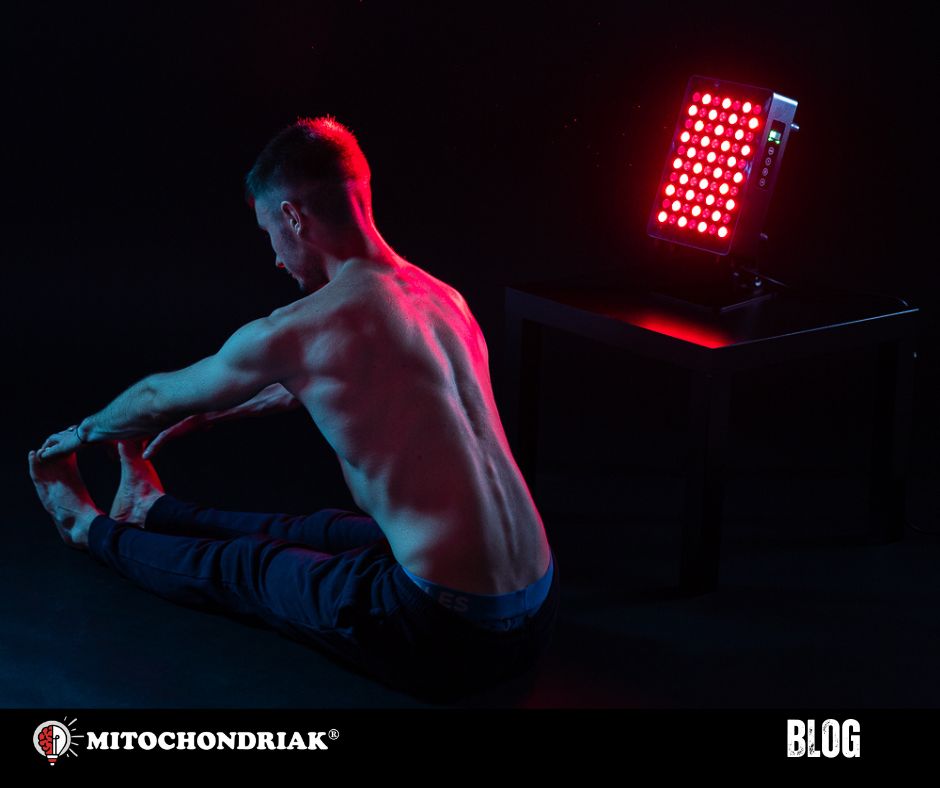
Light therapy has demonstrated effects in multiple areas. Systematic reviews and meta-analyses have confirmed its benefits for skin, the musculoskeletal system, the immune system, and sleep quality. Here are the most important red light therapy benefits backed by science:
Skin and collagen production
Red light therapy stimulates fibroblasts to increase collagen production. Clinical research has documented improved skin elasticity, wrinkle reduction, and scar healing support. Red light in the 630 to 670 nm range is effective for early signs of aging, as it increases overall skin firmness and hydration. [R]
Inflammation and immunity
Photobiomodulation reduces levels of pro-inflammatory cytokines while supporting the production of anti-inflammatory mediators. A 2025 systematic review confirmed the immunomodulatory effects of light therapy, including supporting the switching of immune cells from a pro-inflammatory to a regenerative mode. [R]
Muscle recovery and joint pain
Near-infrared light penetrates deep into muscles and joints, where it releases nitric oxide (NO), dilates blood vessels, and improves tissue perfusion. For athletes, this means faster removal of inflammatory substances and shorter recovery times after training. [R] Studies also show benefits for chronic pain and recovery.
Sleep and circadian rhythm
Evening exposure to red light supports melatonin production and improves sleep quality. Unlike blue light, which suppresses melatonin, red light with wavelengths above 600 nm has a relaxing effect on the brain. Combining red light in the evening with morning sunlight is one of the most effective biohacking tools for synchronizing the circadian rhythm. [R]
Mood and mental well-being
Light therapy has also demonstrated benefits for seasonal affective disorder (SAD) and overall mood improvement. Light stimulates serotonin production and supports metabolic activity in the brain, which is especially important during winter months when natural daylight is limited.
Who is light therapy suitable for?
Light therapy is suitable for a wide range of people. It is a non-invasive method that requires no medication or surgical intervention. It is most commonly used by:
- Athletes to accelerate muscle and tendon recovery after training or injury
- Biohackers optimizing sleep, energy, and circadian rhythm
- People with skin conditions such as acne, eczema, psoriasis, or scars
- Seniors with joint pain, osteoarthritis, or slow healing
- Office workers who spend most of the day under artificial lighting
- Anyone interested in anti-aging and collagen production support
Before starting light therapy with epilepsy, active cancer, or while taking photosensitizing medications, consult a physician.
How to choose a light therapy device?
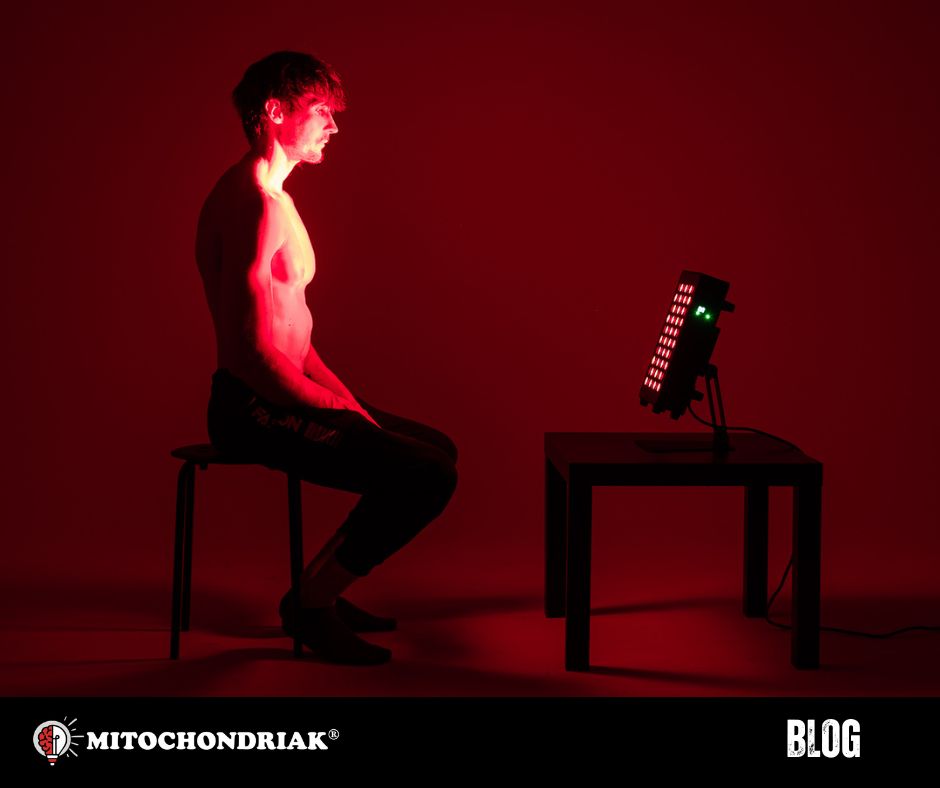
There are many home light therapy devices on the market. When choosing, you should look at several key parameters that determine whether the therapy will actually be effective:
- Wavelengths: A quality device combines both red and near-infrared light. Mitochondriak® panels contain 7 wavelengths: 630, 670, 760, 810, 830, 850, and 940 nm, covering the entire spectrum validated by research.
- Power output (irradiance): Sufficient light intensity matters. The recommended minimum is 100 mW/cm² on the skin surface.
- Panel size: For localized therapy (face, knee, shoulder), a smaller panel is sufficient. For full-body coverage, a large panel that illuminates half the body at once is ideal.
- Flicker: Quality devices are flicker-free, meaning no visible flickering that could cause discomfort or nervous system stress.
- Certification and safety: The device should meet relevant standards and carry appropriate certifications (CE, FCC, RoHS).
How to use light therapy at home correctly?
Light therapy at home is simple and safe when you follow basic guidelines. Here is a practical guide:
- Distance from the panel: Follow the recommended distance according to your device manual.
- Session duration: The recommended time varies by device type and treated area. Specific protocols can be found on the Mitochondriak® FAQ page.
- Frequency: For visible results, use the device regularly, 3 to 7 times per week.
- Bare skin: Light must reach the skin directly. Clothing absorbs photons and reduces therapy effectiveness.
- Eye protection: With powerful panels, use protective goggles, which are typically included with the device.
- Time of day: Morning sessions for energizing and cortisol support; evening sessions for relaxation and sleep preparation.
Curious how light therapy can improve your health?
Mitochondriak® panels contain 7 wavelengths from 630 to 940 nm and cover the entire spectrum validated by scientific studies for recovery, skin, joints, and sleep.
Browse Mitochondriak® panels
Frequently Asked Questions about light therapy
What is light therapy and what is it used for?
Light therapy is a non-invasive method that uses specific wavelengths of light to stimulate cellular processes. It is used to support muscle recovery, improve skin quality, relieve joint pain, improve sleep, and boost overall immunity. It encompasses red light, near-infrared light, UV, and blue light management.
What is the difference between red light therapy and infrared therapy?
Red light (600 to 760 nm) acts on surface tissues such as skin and subcutaneous tissue. Near-infrared light (810 to 940 nm) penetrates deeper and reaches muscles, joints, and tendons. Quality devices combine both types for a comprehensive effect on the entire body.
Is light therapy safe?
Yes, light therapy is considered a safe method with minimal side effects. Any mild skin redness or temporary fatigue resolves on its own. Exceptions include people with epilepsy, active cancer, photosensitivity, or pregnant women, who should consult a physician before starting.
What are the main effects of light therapy?
The main red light therapy benefits include increased collagen production, accelerated wound healing, reduced inflammation, muscle and joint recovery, improved sleep quality, and enhanced circulation and tissue oxygenation. Scientific studies confirm these effects repeatedly.
How long does it take to see results from light therapy?
Initial results such as better sleep or pain relief can appear within a few days of regular use. Visible skin changes such as increased elasticity and wrinkle reduction require 4 to 8 weeks of consistent use 3 to 7 times per week.
Can light therapy be done at home?
Yes, light therapy at home is now a fully viable alternative to clinical treatments. Modern home panels deliver sufficient power and optimal wavelengths to achieve results comparable to those in a professional center. Simply follow the recommended protocol.
Can I use light therapy every day?
Yes, light therapy can be safely used daily. For optimal results, most protocols recommend exposure 3 to 7 times per week. It is important to follow the recommended session duration and not extend it, because with photobiomodulation, more does not automatically mean better.
Scientific studies and sources
- Dompe, C. et al. Photobiomodulation — Underlying Mechanism and Clinical Applications. J Clin Med. 2020. PMC7356229
- Couturaud, V. et al. Reverse skin aging signs by red light photobiomodulation. Skin Res Technol. 2023. PMC10311288
- Hamblin, M.R. Mechanisms and applications of the anti-inflammatory effects of photobiomodulation. AIMS Biophys. 2017. PMC5523874
- Al Balah, O.F. et al. Immunomodulatory effects of photobiomodulation: a comprehensive review. Lasers Med Sci. 2025. PMC11991943
- Son, Y. et al. Effects of photobiomodulation on multiple health outcomes: an umbrella review of randomized clinical trials. Sci Rep. 2025. PMC12326686
- Shivappa, P. et al. From light to healing: photobiomodulation therapy in medical disciplines. Photomed Laser Surg. 2025. PMC12751248