Free worldwide shipping (orders over 90 USD)
Pre-sale 2026 of Maxi UVB Presale HERE
By clicking "Agree" you consent to the use of all cookies. You can specify your preferences by clicking "Settings". More information here.
.png)
The hormone melatonin is probably one of the most important hormones in our body, which regulates not only our sleep, but also our own mitochondria, their autophagy and apoptosis and therefore our hydration and energy in body. In today's blog post we will take a closer look at it. You will learn how mitochondria produce melatonin, and you will also find practical tips on how to increase it by natural ways.
Melatonin is most commonly known as the sleep hormone. And while the primary synthesis of melatonin occurs in our pineal gland (in the brain), especially when we sleep and are in the dark, modern research and studies show that our mitochondria are also capable of producing melatonin. Research has shown that in our early evolution, melatonin began as a powerful antioxidant and only later developed its role in sleep.. [9, 10]
It is also interesting that the concentration levels of melatonin produced by mitochondria are not affected by circulating levels of melatonin in the blood, suggesting a multipurpose function of melatonin. One could say that the hormone melatonin influences almost everything that happens in our body, including its very functioning.
Melatonin, which is produced by our mitochondria, helps them in their own regeneration, thanks to which:
Researchers have demonstrated melatonin biosynthesis in mitochondria of different species and different cell types [8-10]. Odinokov and Hamblin [11] proposed that NIR photons stimulate subcellular or extrapineal melatonin biosynthesis through activation of cyclic adenosine monophosphate (AMP) or NF-κB or alternatively by stimulating bone marrow stem cells.
In layman's terms, this means that it is red and near-infrared (NIR) light, which we have an abundance of during the day when the sun is shining, that can stimulate the production of melatonin in our own cells in the body. In mitochondria.
One study found that athletes who were exposed to red light for 30 minutes every night for 14 days had better quality sleep and secreted more melatonin during sleep.
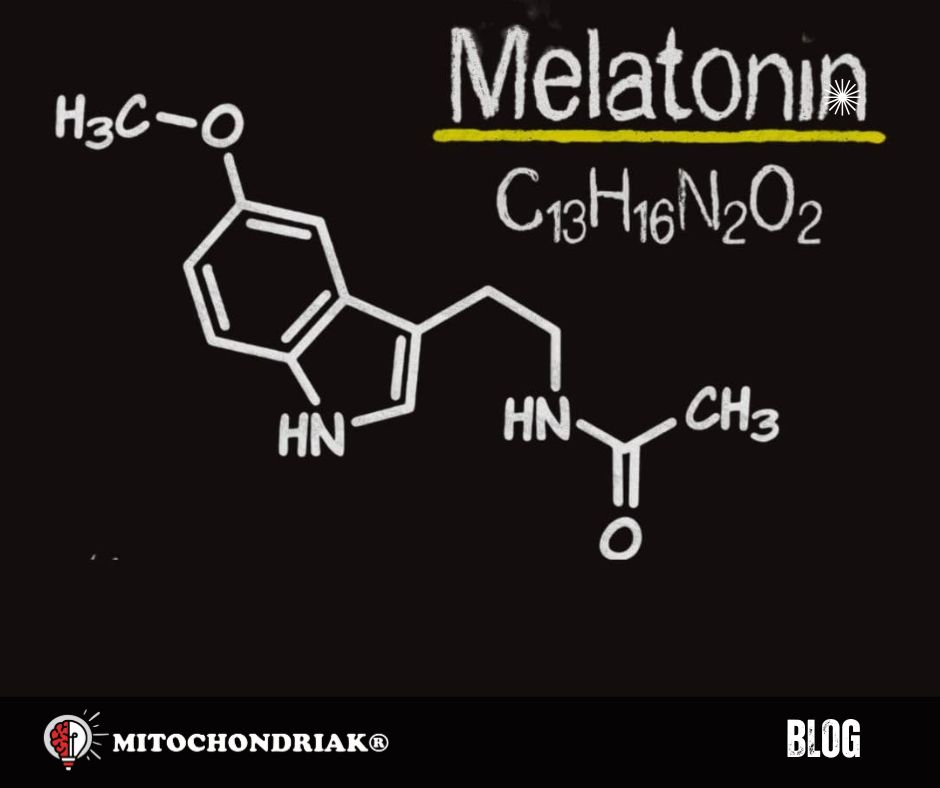
As you can see in the video above, melatonin is a hormone that our bodies and mitochondria produce by their own, and is based on the light we are exposed to during the day. If we take a supplement to artificially increase it, our bodies and mitochondria can respond by changing their own production. But if they are already producing less of it, what will happen if they receive a signal from outside that they can produce even less?
Some studies also suggest that oral melatonin contributes to retinal degeneration, especially when used by young people and children, making their eyes less able to handle oxidative stress. [16, 17] That's why we should always focus primarily on its natural support.
Regular exercise and movement increase body temperature, energy expenditure, and even the work of mitochondria, which makes them produce more melatonin..
Always try to go outside for at least a few minutes during the day, every day, consistently, and get some natural sunlight. This way you will get plenty of free red and infrared light, which stimulates melatonin production and better sleep.
Digestion and metabolism are governed by circadian rhythms, so try to eat your last meal a few hours before bedtime to help melatonin secretion.
During sleep, the human body temperature naturally decreases. Thanks to the drop in temperature, our pineal gland secretes melatonin more easily at night.
Although blue light is a great advance, making our phones and computers more powerful, it also brings with it many negatives, because it "deceives" our brain and circadian rhythm that it is daytime, which can impair our sleep quality and falling asleep.
If you have some inappropriate lighting at home in the evening, or you watch TV or another screen, we recommend trying the practical blue light blogking glasses and also dimmed red lights, which, on the contrary, supports sleep and melatonin secretion.
Indoor lightning solutionsBlue light blocking glasses
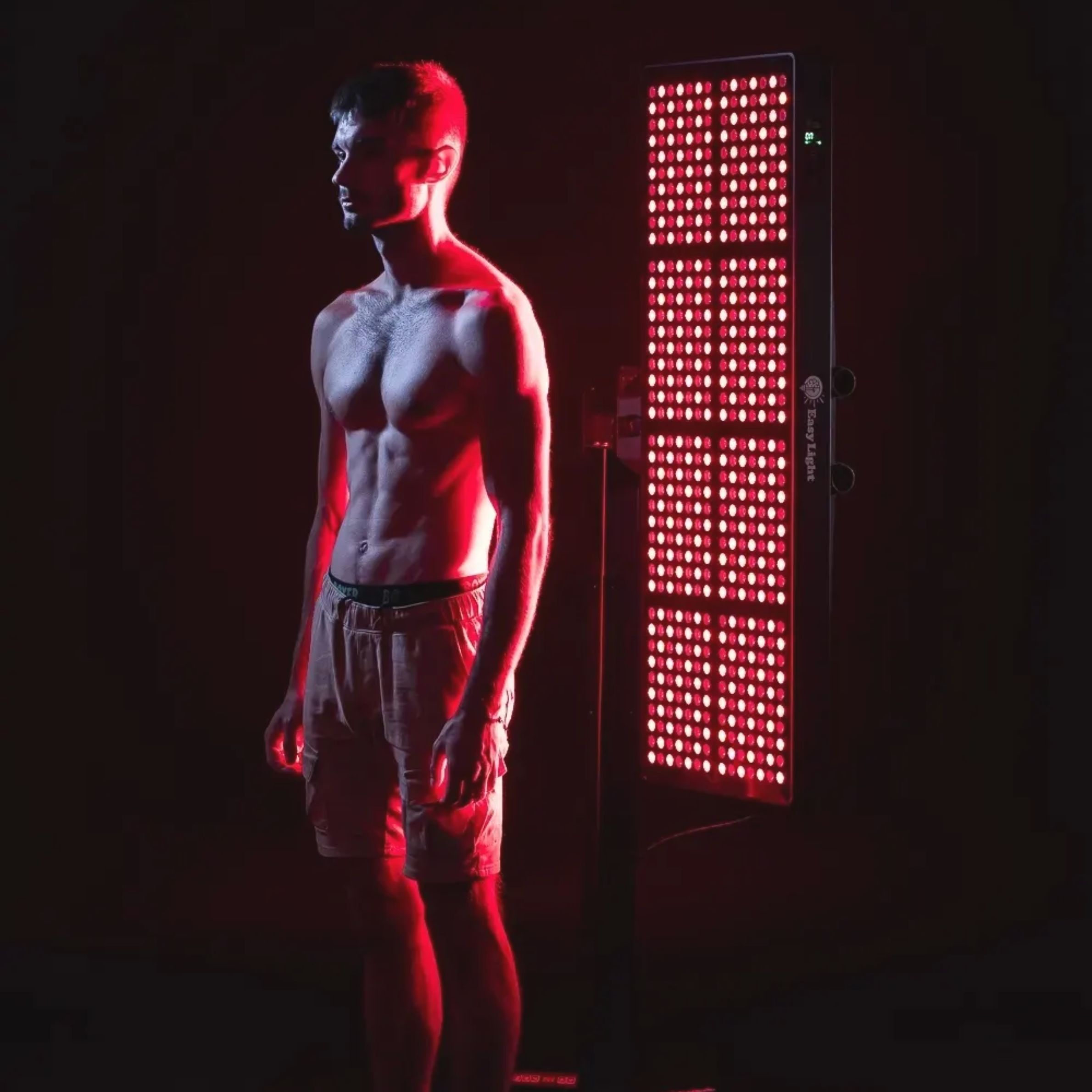
Red and infrared light therapy, also known as low-level light therapy (LLLT), or photobiomodulation, is a non-invasive therapy that involves exposing the body to low levels of specific red (RED) or near-infrared (NIR) light.
The wavelengths of red and infrared light have unique properties, including the ability to penetrate several milimitres or centimeters into the skin and stimulate various cellular processes in the body, including melatonin production.
With Mitochondriak® red light devices, you can achieve such therapy very easily. For example, with our well designed Mitochondriak® products you will support melatonin production in body. You can use bigger devices or smaller models, and you can design the therapy according to your needs.
.jpg)
Flicker and blue light free sunset bulbs + blue light blocking glasses
References and studies: